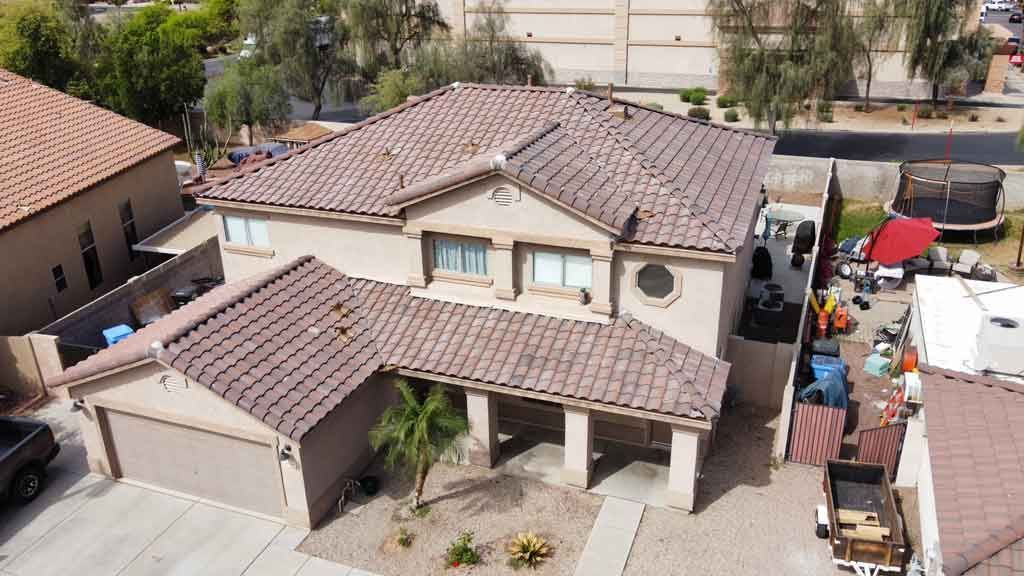
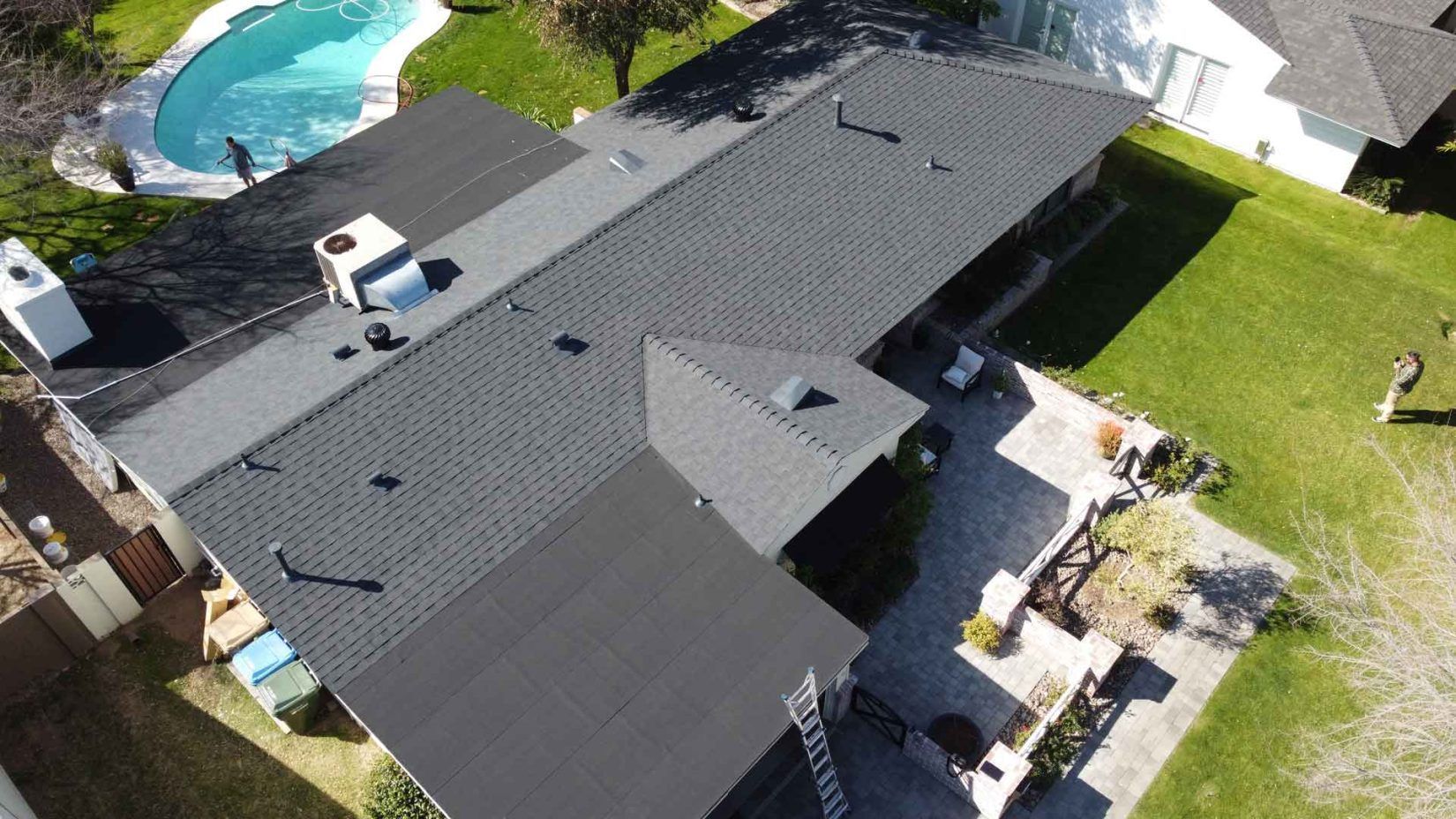
Step 4: Roof Deck Repairs and Inspection
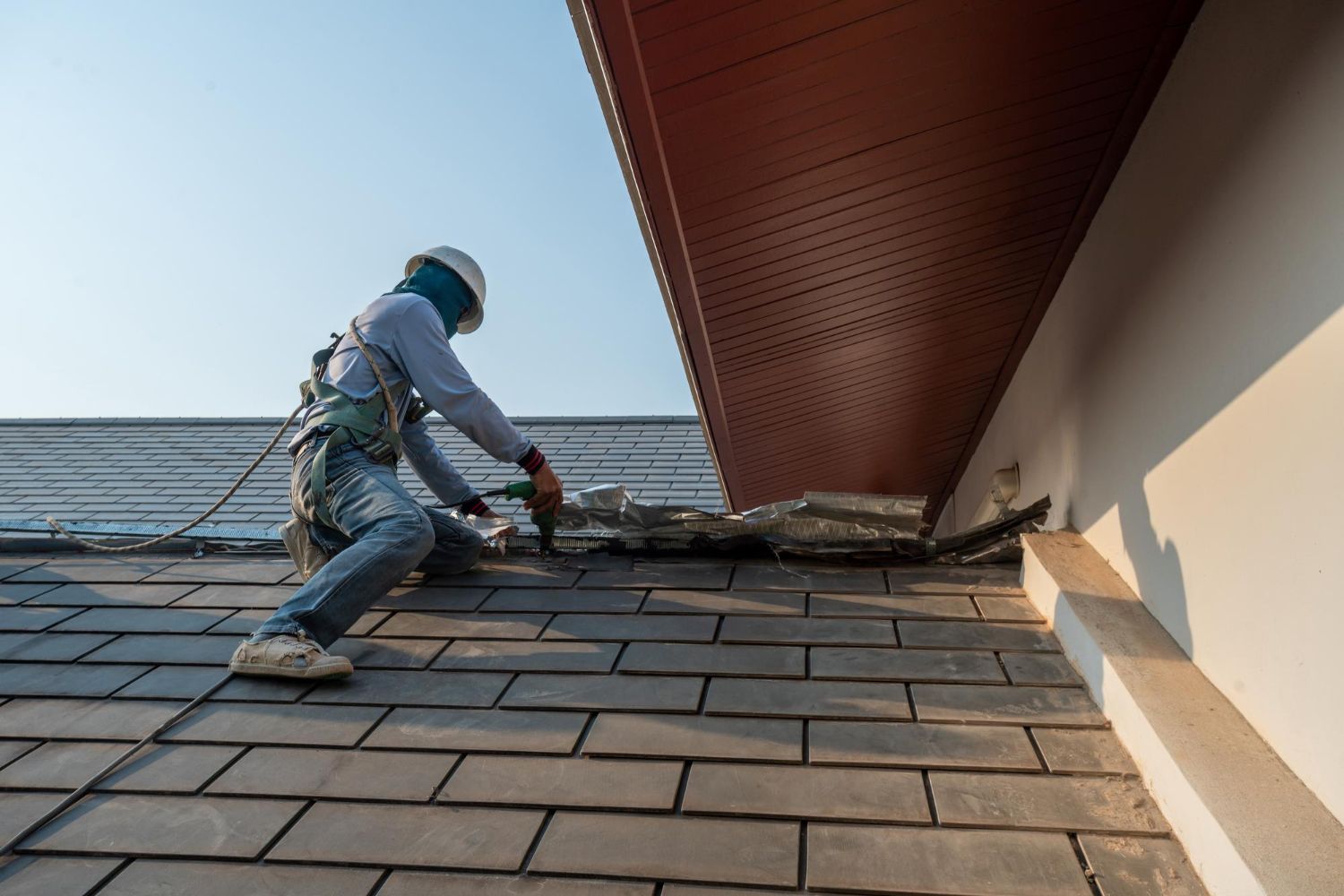
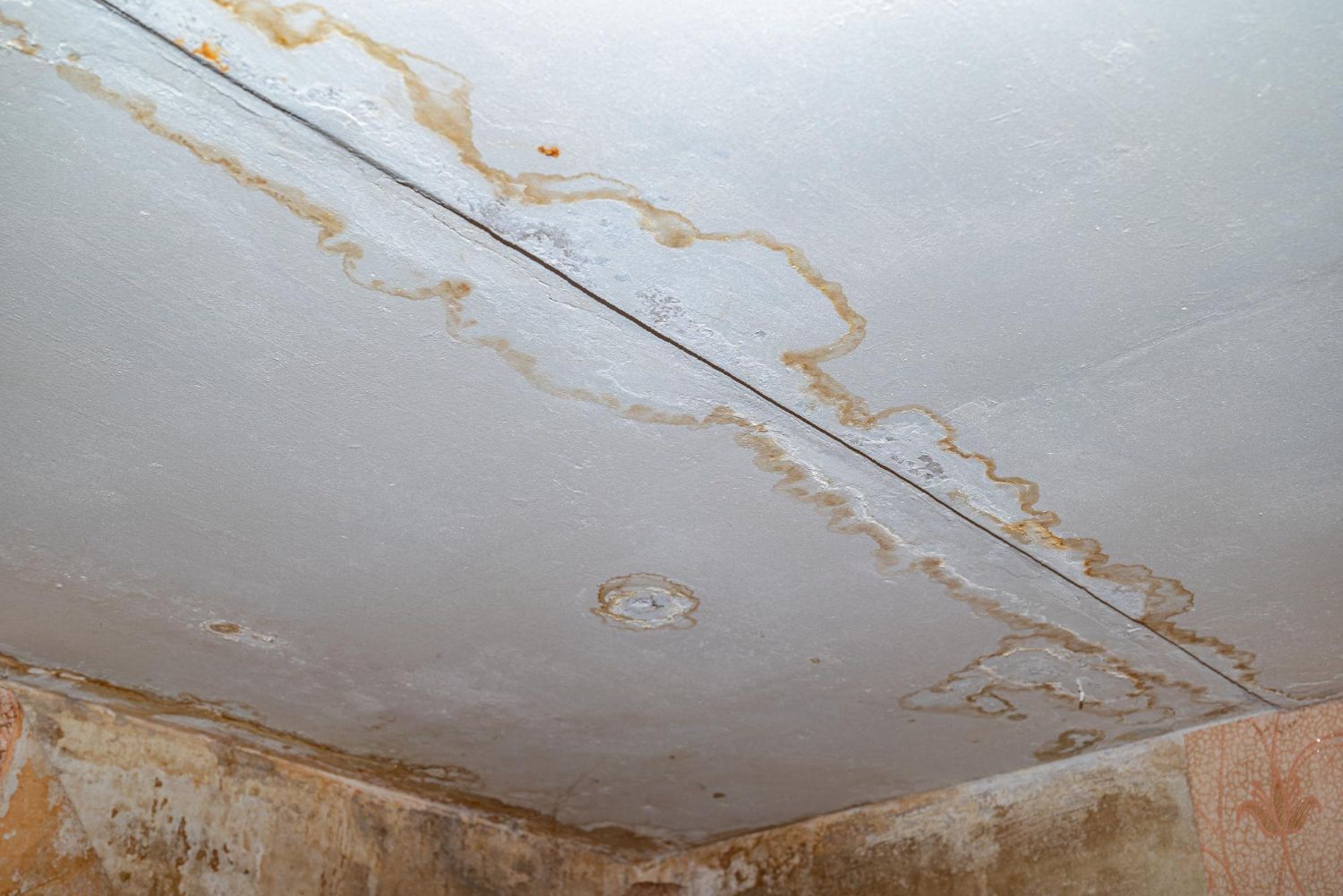
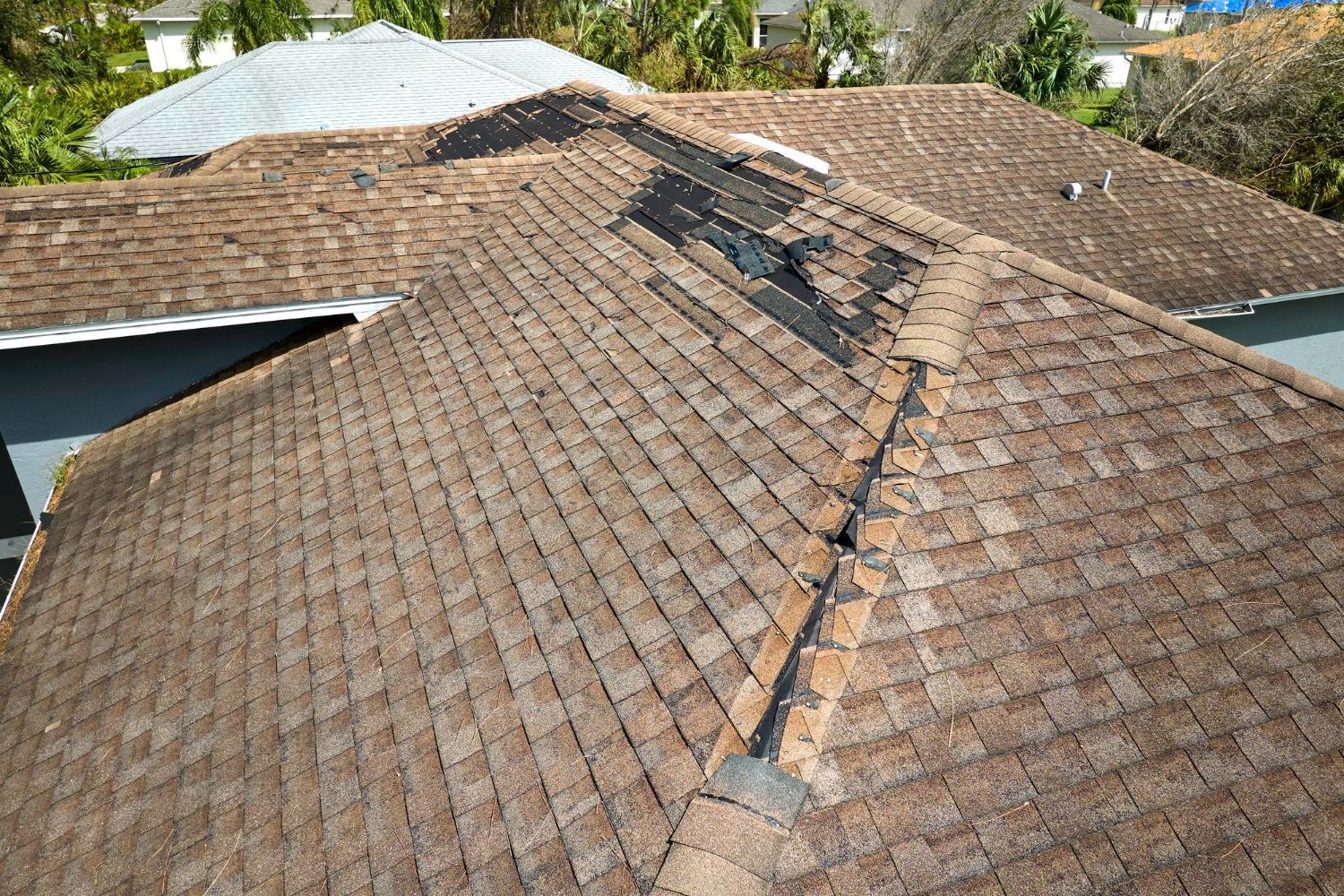
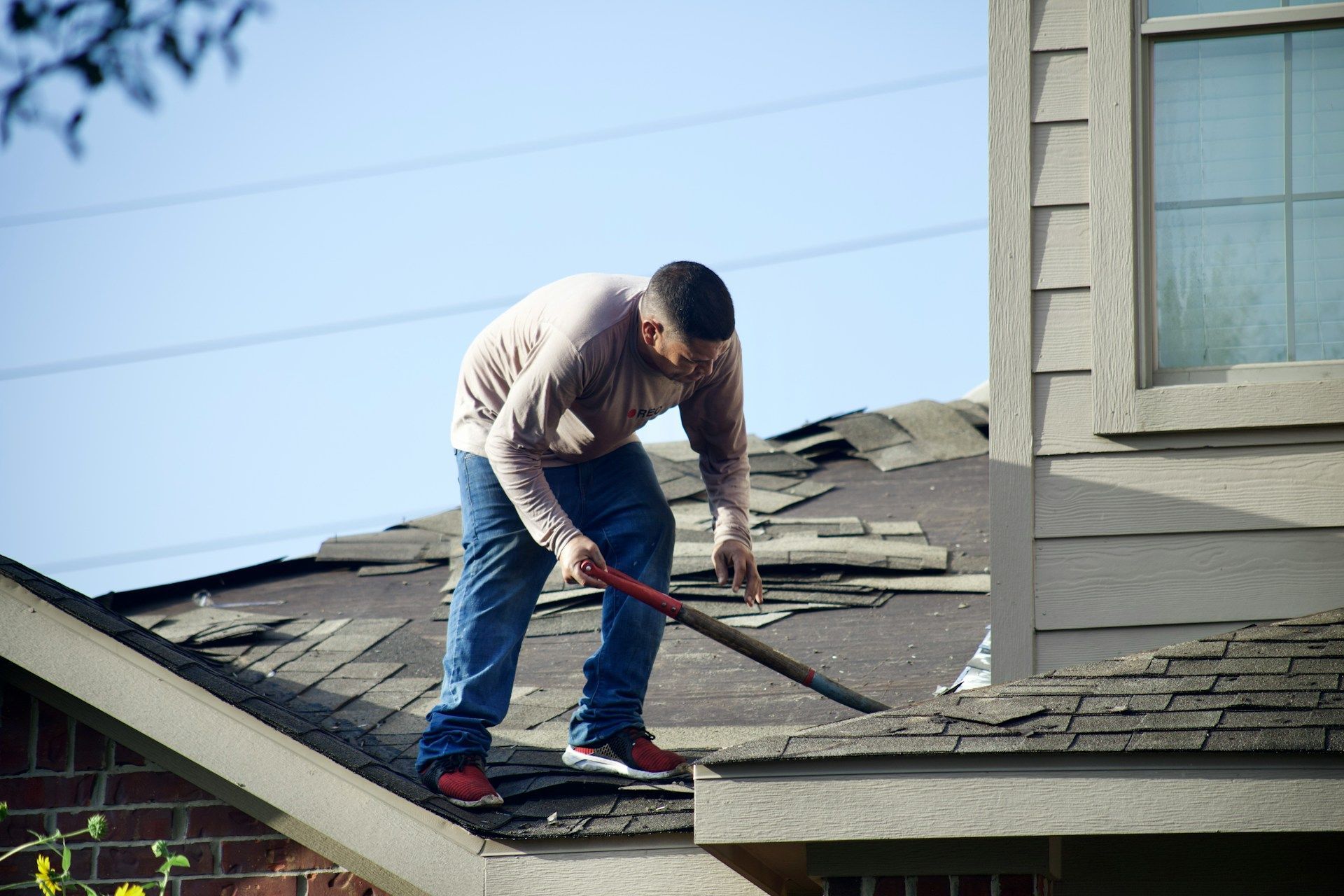
After the old roof is removed, roofing contractors check the roof deck for any hidden issues. Problems like damaged plywood, weakened structures, rotting wood, and moisture intrusion are normally discovered during this phase. The contractors complete all important repairs right before installation work begins. This ensures the new roof has a good foundation.
Step 5: Installation Process
Once repairs are done,
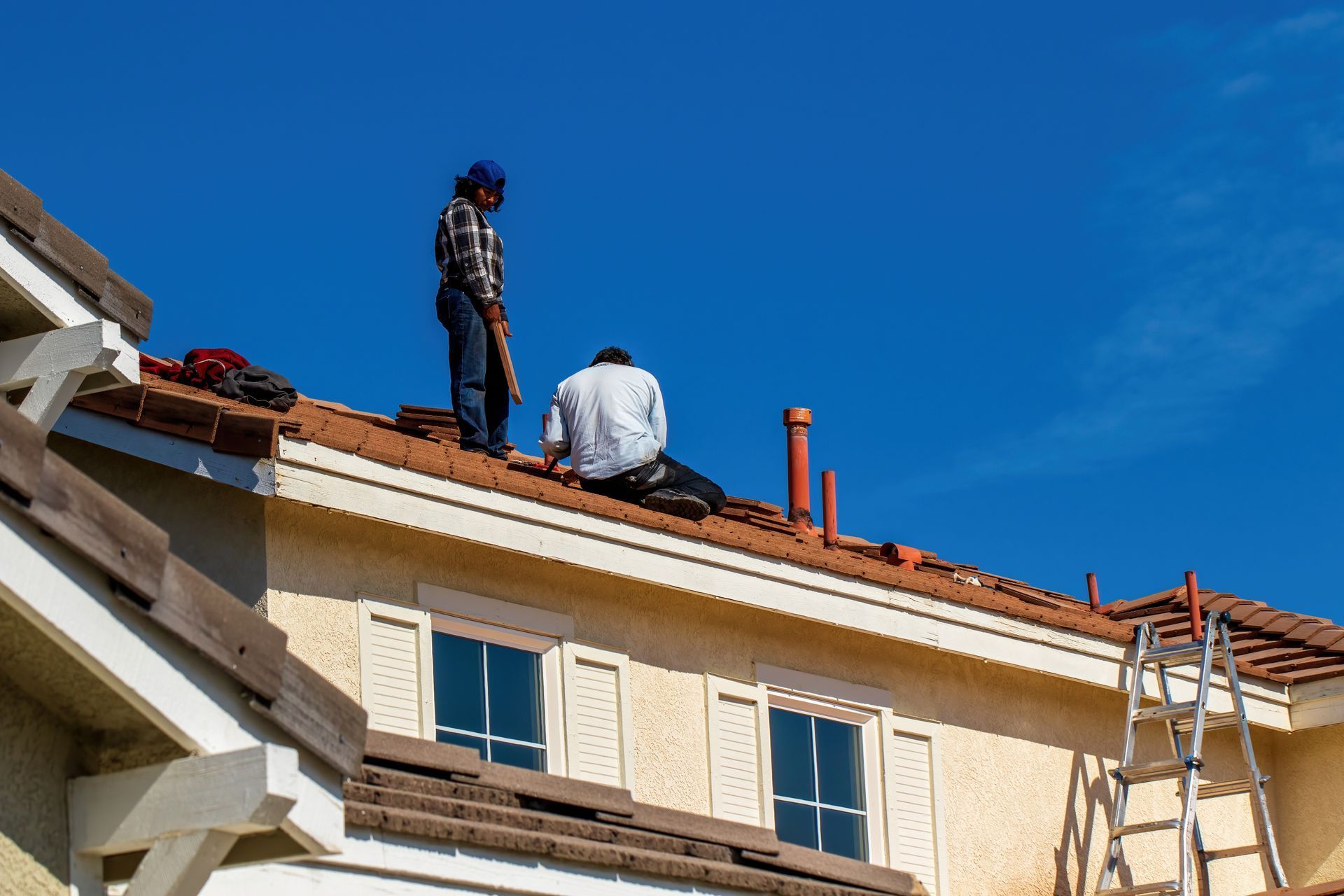
roofers install the new roofing system. It consists of roofing materials, underlayment, ventilation components, flashing, and protective barriers that work together to protect the home from the elements. Every layer can help enhance climate protection and durability. Homeowners can expect construction noise and regular crew activity throughout the project, particularly when the installation work takes over one day.
Step 6: Final Cleanup and Inspection
The final phase of the roof replacement work focuses on quality assurance and cleanup. Roofers remove all leftover materials, take the help of magnetic tools to find stray nails, and collect debris. A proper inspection can confirm that the new roof complies with local building codes, offers adequate ventilation for long-term performance, and has been installed correctly. Homeowners must also review warranty-related information along with maintenance suggestions.
Conclusion
A roof replacement stands out as a primary home improvement project. However, it is important to understand that the roof replacement process makes it less stressful. Right from the inspection stage to the final cleanup, every phase plays an essential part in safeguarding your home for years to come. Working with skilled professionals can help ensure long-term performance, safety, and quality workmanship. Whether you are exploring home improvement options or planning your first roof replacement, ProWest Roofing provides professional insights, practical resources and expert guidance to help you make proper decisions and protect your investment.
FAQs:
1. What are the steps to replacing a roof?
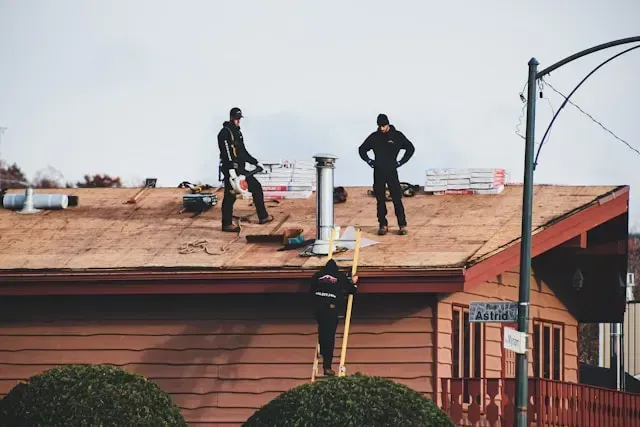
Roof replacement usually involves inspection, project planning, delivery of materials, tear-off of the old roof, repairs if needed, deck inspection, installation of the new roof, and final cleanup. Every phase ensures the roof performs well and fulfills local needs.
2. How to replace a roof for beginners?
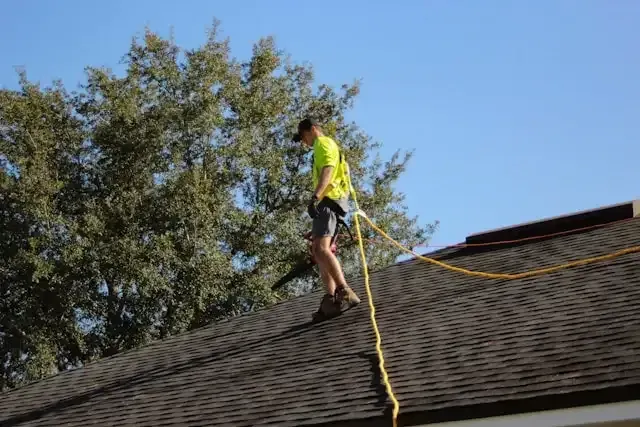
First-timers must first understand roof materials, local building codes, and safety requirements. The majority of homeowners hire skilled contractors because roof replacement consists of structural inspections, specialized tools, proper installation methods, and fall protection measures.
3. What is the cheapest way to replace a roof?
The most inexpensive option is usually installing traditional asphalt shingles on a structurally sound roof. But picking the lowest-cost solution should not compromise installation standards or material quality. It is because poor workmanship can lead to higher repair costs later on.
4. Is it possible to stay inside the house during roof replacement?
Yes. Many homeowners stay inside their homes during roof replacement. But the process can be disruptive and noisy. Families who have young children, pets or remote workers might want to spend their part of the day somewhere else when roof work is underway.