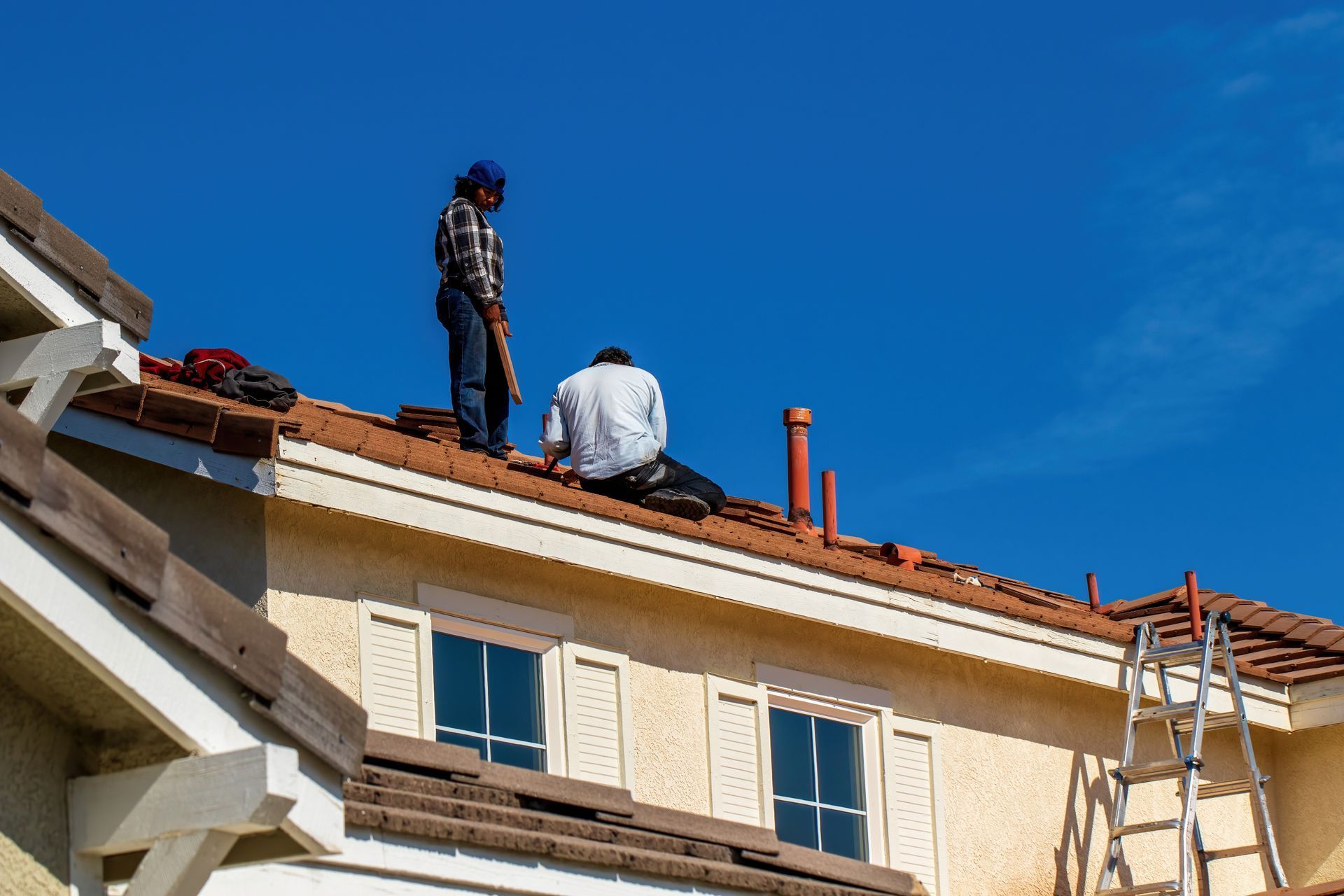
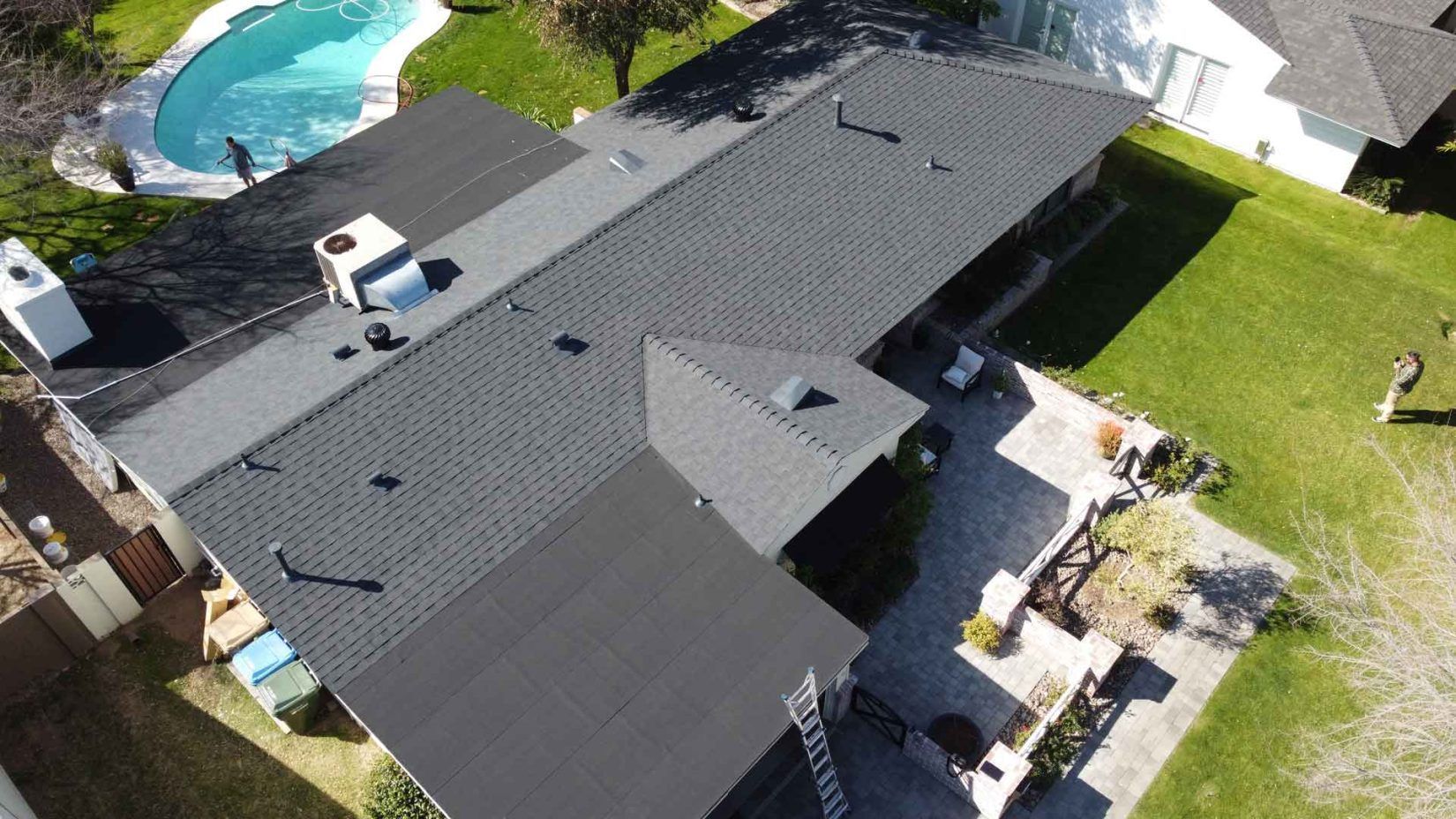
After monsoon season, even a small roof leak deserves attention. Wind-driven rain, dust, hail, and branches can expose weak spots that are easy to miss from the ground. October is a smart time for Phoenix property owners to look for signs of trouble before the next round of severe weather.
Water does not always show up where it enters. It can travel beneath tile, shingles, coatings, or roof membranes before appearing as a ceiling stain, damp insulation, or musty smell indoors. Knowing when emergency roof repair in Phoenix is needed can help protect your building, belongings, equipment, and the people inside.
Stop Small Monsoon Leaks Before They Spread
A roof may look mostly fine after a storm while hidden damage is already allowing moisture inside. A cracked tile, loose piece of flashing, separated seam, or blocked drain can create a path for water. Once moisture gets beneath the roof covering, it may affect insulation, decking, walls, and interior finishes.
We recommend taking post-monsoon warning signs seriously, even when the leak seems small. Routine maintenance may be enough when there is no active water entry and the roof is otherwise stable. Emergency roof repair in Phoenix is more appropriate when damage is allowing water inside now or creating a clear risk of fast-spreading damage.
Pay attention to changes inside your property, including:
- New ceiling stains or bubbling paint
- Dripping water during or after rainfall
- Damp spots in insulation or attic areas
- Musty odors that were not there before
- Water marks near walls, windows, or roof penetrations
The sooner a roofing professional finds the source, the better the chance of limiting the damage below the roofline.
Recognize the Warning Signs of Urgent Roof Damage
Some monsoon damage cannot wait for a routine inspection. Active leaks, missing roof materials, and sagging areas can all point to a problem that needs fast professional attention. Water entering an electrical area or flowing into a workspace, storage room, or living space should be treated as urgent.
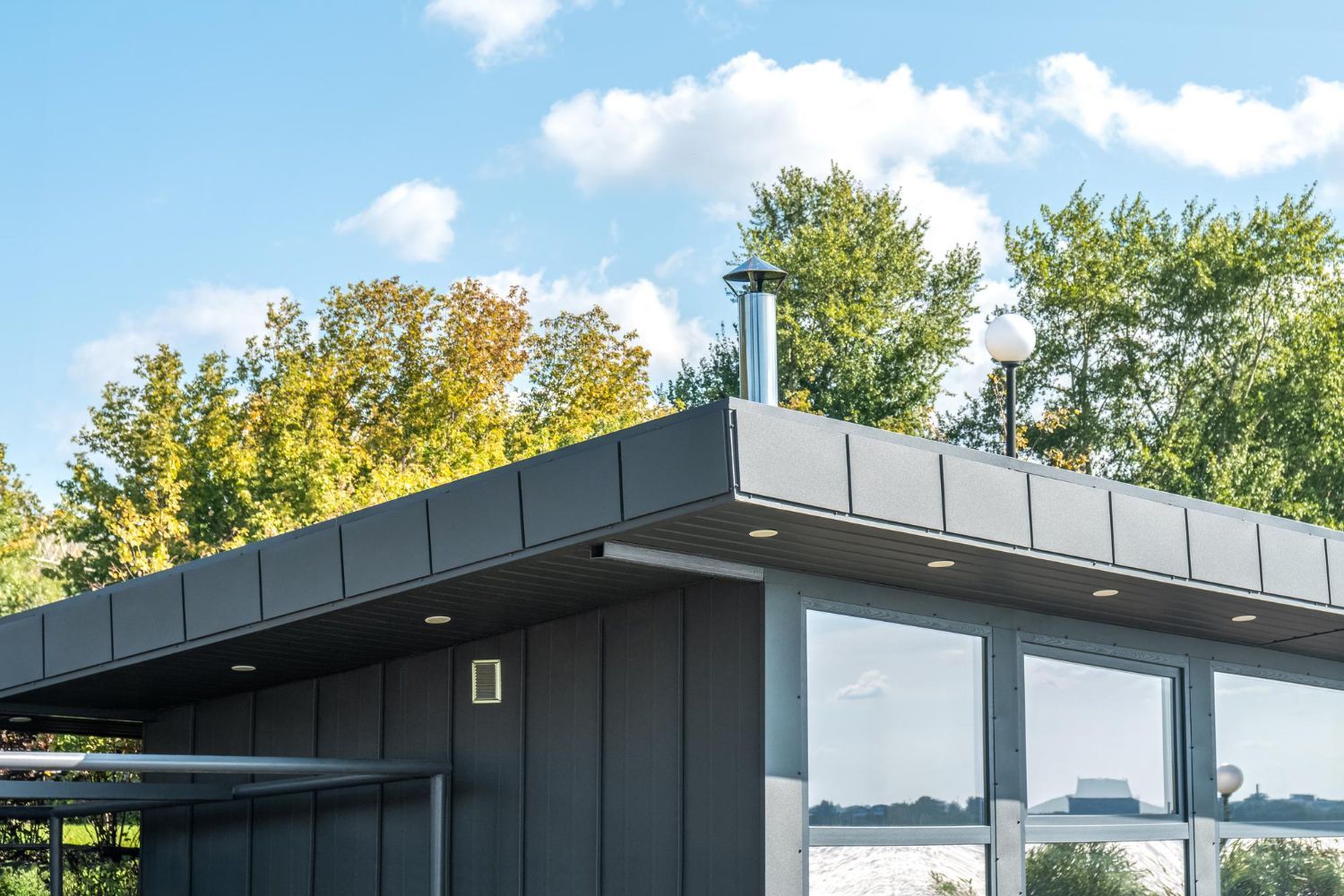
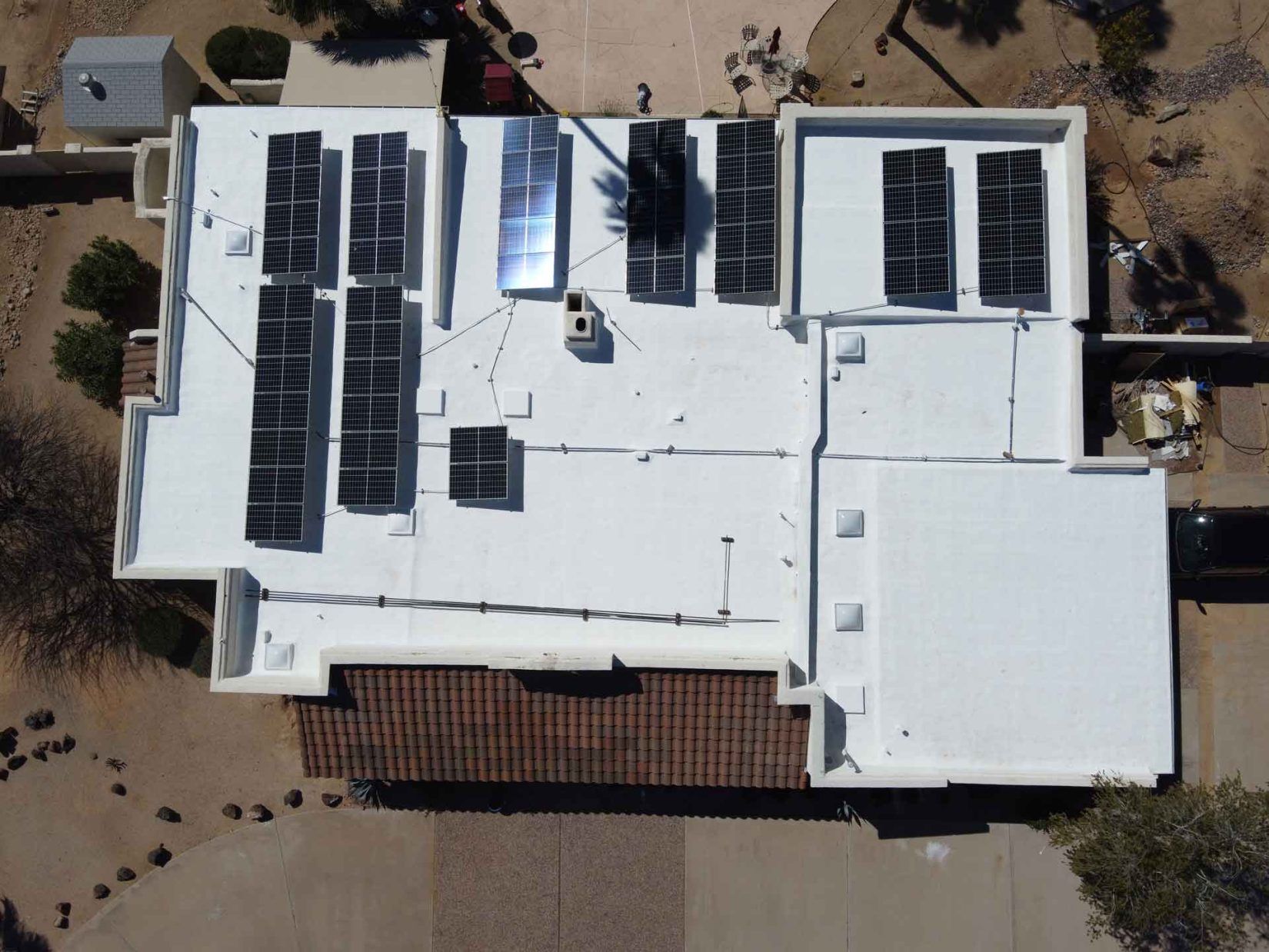
Flat and low-slope roofs need special attention after heavy rain. Ponding water can put ongoing pressure on roofing materials and work its way through worn seams or weak areas. Many commercial, industrial, and multifamily buildings have large low-slope roof sections where leaves, dust, and debris may prevent water from draining as intended.
Emergency repairs may be needed when you notice:
- Water dripping from ceilings or light fixtures
- A sagging ceiling, roof deck, or interior surface
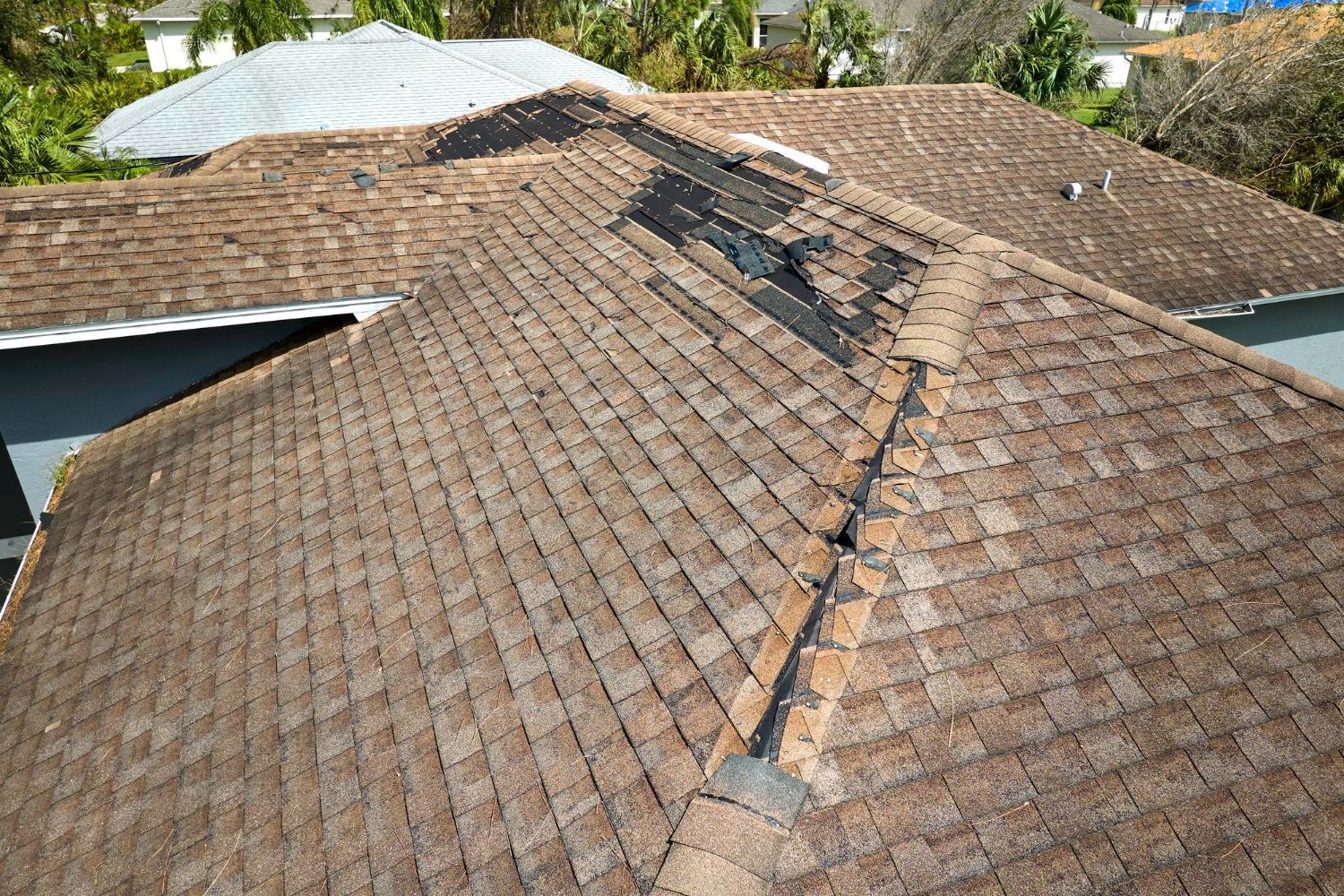
- Blown-off shingles, displaced tiles, or lifted flashing
- Punctures or openings caused by branches or debris
- Drainage paths blocked by storm debris and standing water
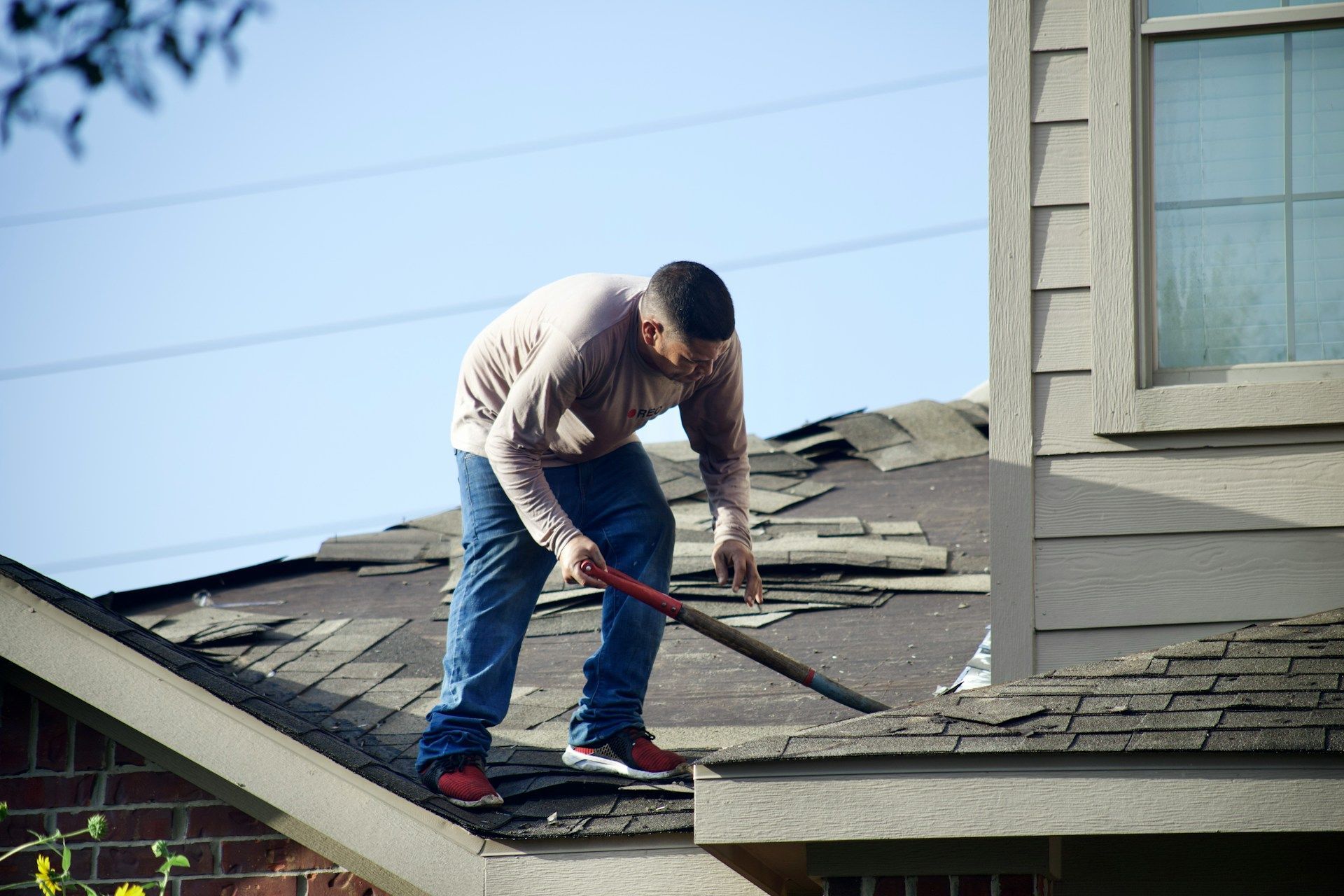
Safety should come first. We do not recommend climbing onto a wet, damaged, or debris-covered roof. From the ground, you can safely take photos, note visible damage, and watch for water entering the building. Inside, move items away from the leak and place containers under drips if doing so is safe.
Fast action can often reduce the amount of interior restoration needed. When water is affecting business operations, inventory, electronics, or electrical systems, prompt evaluation becomes especially important.
Understand How Monsoon Damage Affects Arizona Roofs
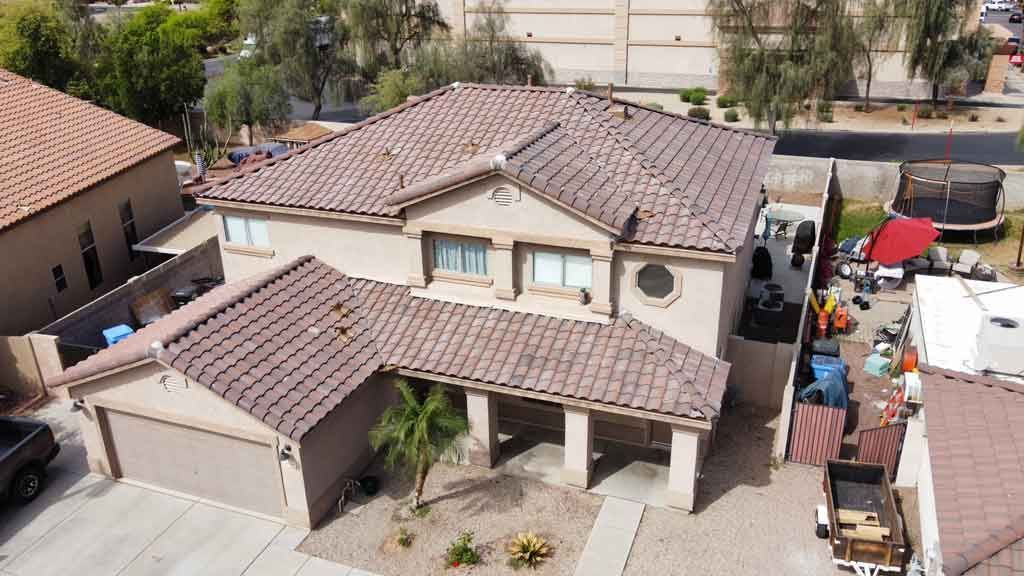
Arizona monsoons can damage roofs differently than a long, steady rain. Strong gusts can lift tiles, pull at shingles, loosen metal flashing, and force rain beneath components that normally shed water without trouble. A roof does not need a large hole to leak when wind pushes rain in the wrong direction.
Debris is another common concern. Dust, leaves, branches, and other storm-blown material can collect in valleys, gutters, scuppers, and roof drains. When drainage routes become blocked, water may back up onto the roof surface or overflow into areas that are not designed to handle it.
Hail and flying debris can also leave behind damage that is difficult to spot. Small impacts may crack tile, remove granules from shingles, puncture a membrane, or damage a roof coating. Sun exposure can add to the problem over time by wearing down materials before a storm ever arrives.
During an inspection, we look beyond the most obvious damage. The goal is to determine whether the situation calls for temporary protection, a focused repair, restoration work, or a larger replacement plan. Active water intrusion or a roof area that could fail further during another storm may call for emergency roof repair in Phoenix.
Take Smart Steps Before a Roofing Crew Arrives
While you wait for a professional assessment, focus on protecting the interior and avoiding added hazards. Move furniture, electronics, inventory, documents, and other sensitive items away from the affected area. Buckets or waterproof containers can catch drips, while towels or plastic sheeting may help protect flooring when it is safe to place them.
Good documentation can also make the insurance process easier. Take clear photos and videos of visible conditions before cleanup changes the scene. Keep notes about when you first noticed the leak, where water appeared, and any temporary actions taken to reduce damage.
Helpful documentation may include:
- Ceiling stains, dripping water, and damaged interior finishes
- Fallen branches, roof debris, and blocked drainage areas
- Missing shingles, broken tiles, or visible flashing damage
- Affected equipment, inventory, furniture, or personal property
- Dates, invoices, and records of storm-related communications
Temporary measures should never put you in danger. Do not place tarps on a steep roof, attempt repairs during wet or windy conditions, or enter flooded spaces near electrical equipment. Our team can evaluate storm damage, provide emergency protection when appropriate, and prepare detailed documentation to support an insurance claim. We serve property owners throughout the Phoenix metro area, including Gilbert, as well as Tucson and nearby communities.
Protect Your Roof Before the Next Arizona Storm
A post-monsoon inspection can catch storm damage before it becomes a larger problem. We check vulnerable areas such as flashing, roof penetrations, tile placement, seams, coatings, drains, and signs of impact damage. Addressing these concerns early may help prevent moisture from leading to mold growth, damaged insulation, wood rot, or interior repairs.
Whether you manage a commercial building, operate an industrial facility, or care for a home, keep an eye on drainage, loose materials, and changes inside the property. A small stain or clogged drain can be an early warning, and prompt professional attention helps keep a roof ready for Arizona’s next severe storm.
Protect Your Home Before Damage Spreads
Prowest Roofing can assess storm-related concerns and recommend the right next steps for your home. Get timely
emergency roof repair in Phoenix when active leaks, missing materials, or visible damage need professional attention. Our team is ready to help restore dependable protection for the next round of severe weather.