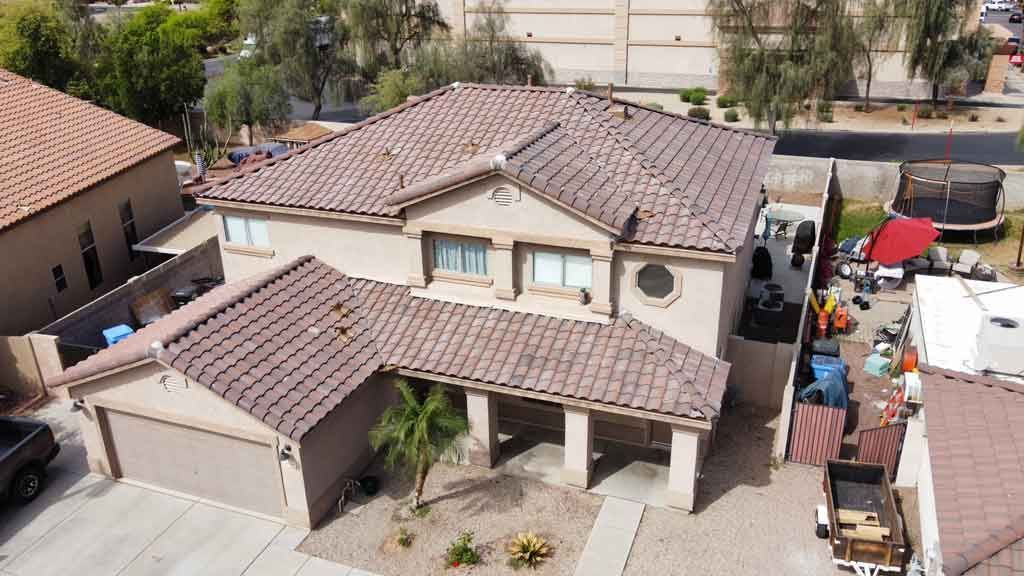
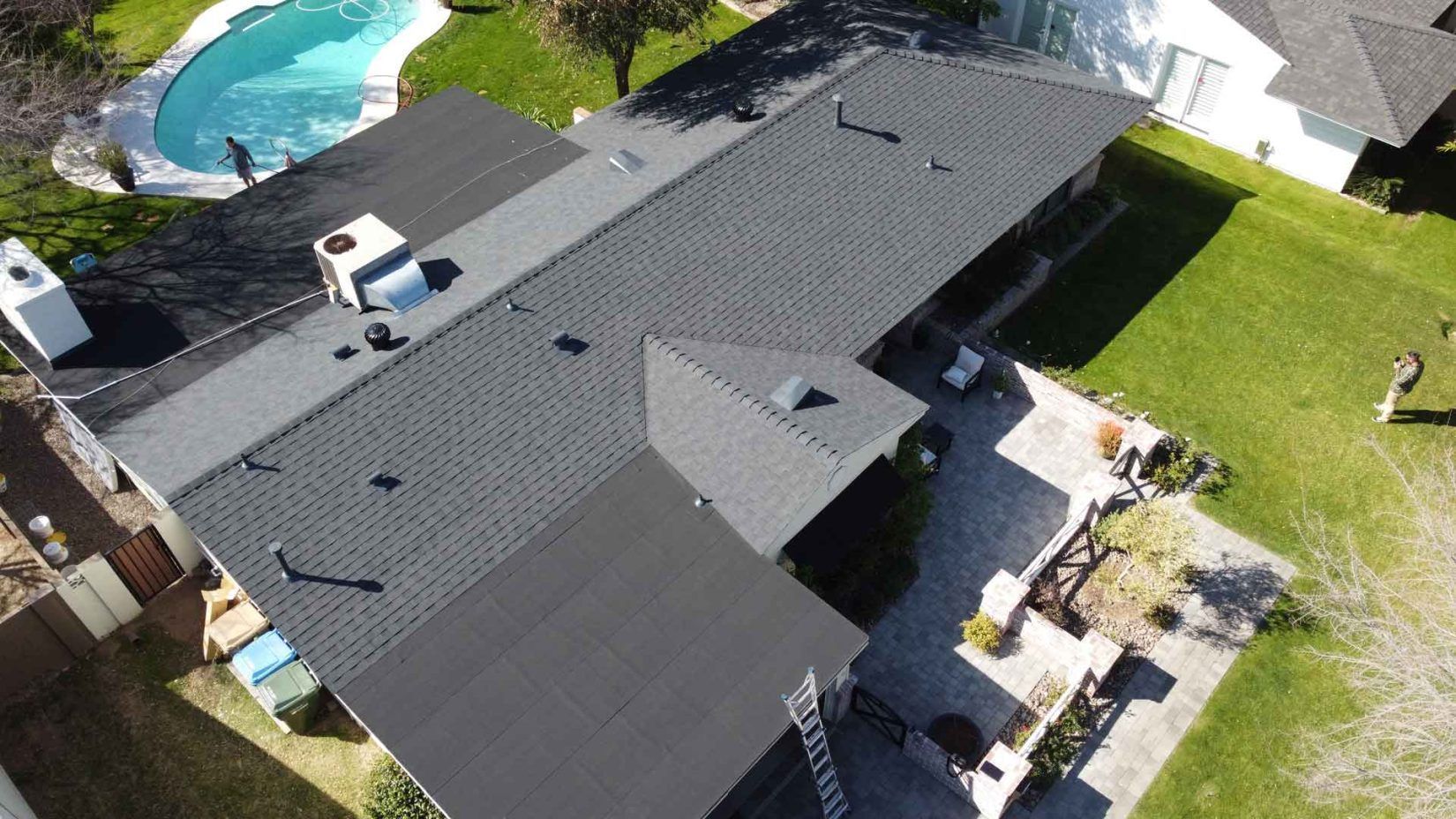
Storm damage can be easy to miss from the ground, especially after a busy Tucson monsoon season. A roof may look mostly normal while wind, rain, or debris has created small openings that let moisture into your home, business, or facility.
By early October, it makes sense to have your roof assessed before later rain exposes weak areas. We help property owners spot concerns that can grow into leaks, damaged interiors, and larger restoration needs.
Protect Your Property Before Hidden Damage Spreads
Late-summer storms can bring strong winds, wind-driven rain, fallen branches, and drainage trouble in a short amount of time. Even if no tiles are scattered across the yard and no water is dripping from the ceiling, your roof may have taken a hit.
Storm damage roofing in Tucson is about more than what you can see from the sidewalk. Your roof is a complete water-shedding system. When one part is shifted, cracked, loosened, or punctured, water can find its way beneath the surface.
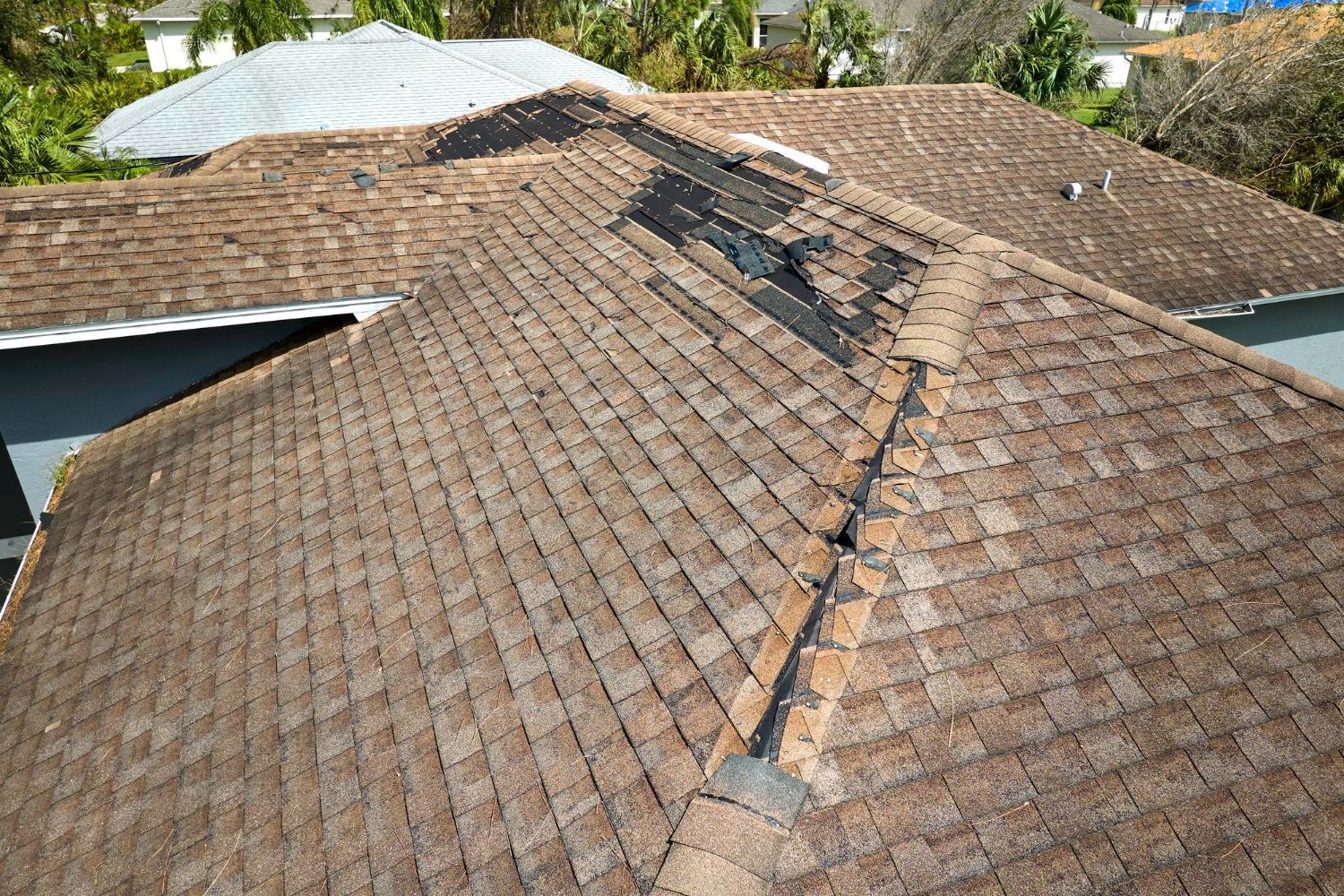
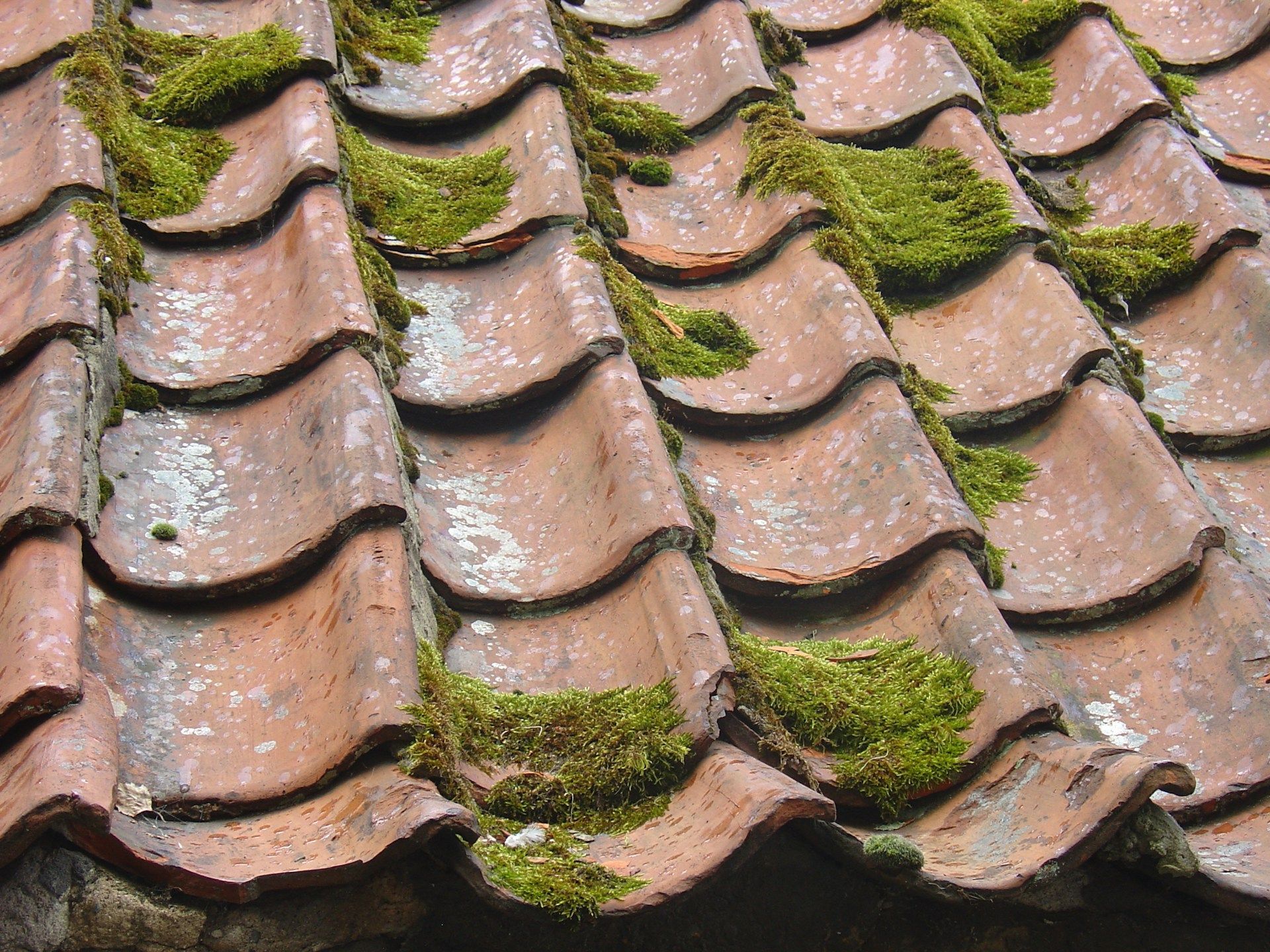
Cosmetic-looking damage may hide problems such as compromised shingles, cracked tiles, lifted flashing, punctured membranes, or torn underlayment. Those materials work together to direct water away from the building. If one layer fails, moisture can move into the layers below.
As an Arizona roofing and restoration company, we inspect residential, commercial, and industrial roofs for storm-related concerns. Our findings can help you understand whether your roof may need repairs, ongoing maintenance, or replacement.
How Storm Damage Roofing in Tucson Affects Roof Systems
Monsoon winds do not need to remove a roofing material completely to cause trouble. A tile can shift slightly. A shingle seal can break. Flashing around a vent or roof edge can lift just enough to leave a path for rain.
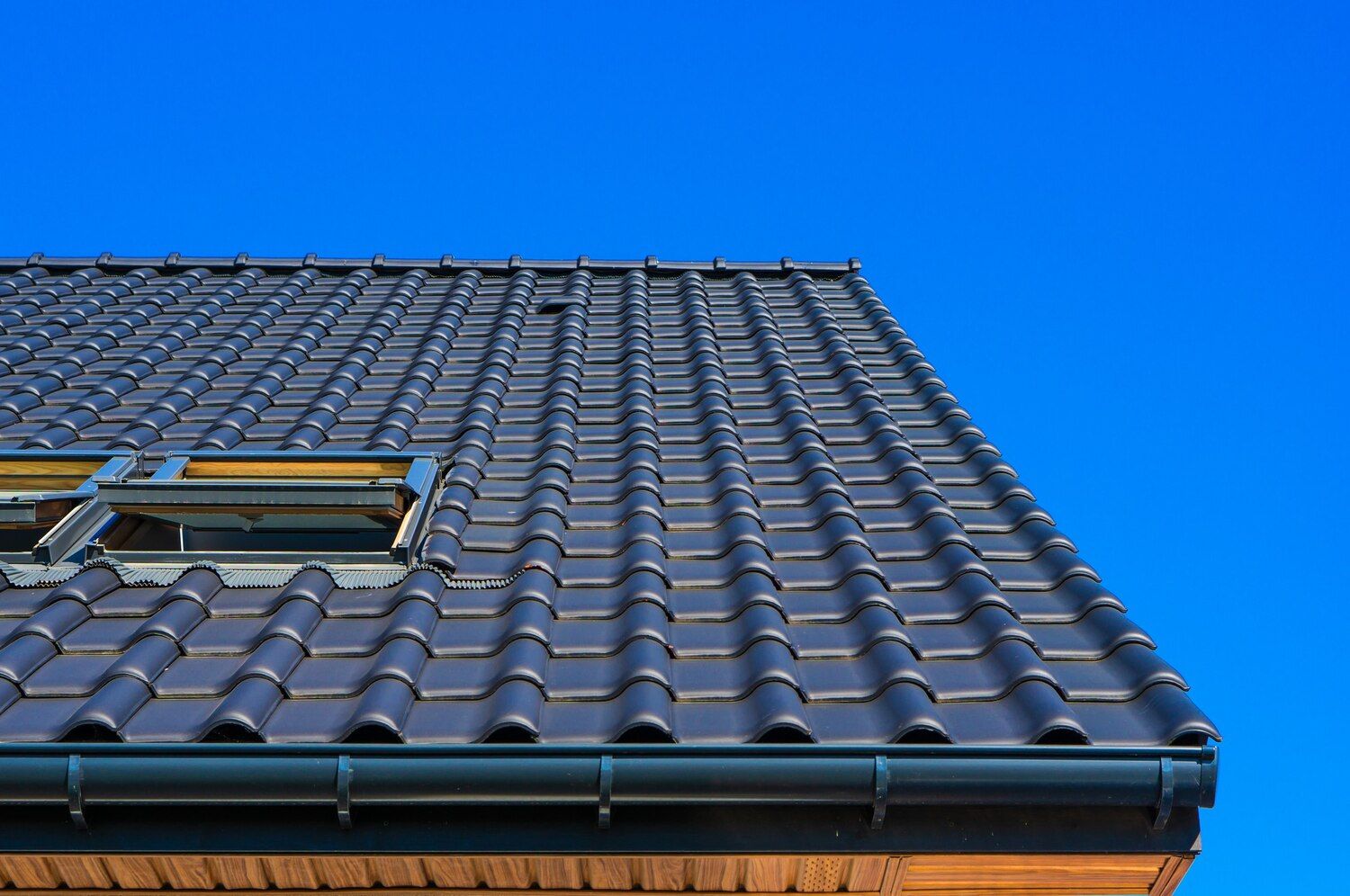
We often look closely at areas where roofing materials meet, overlap, or change direction. These points may include ridge caps, roof edges, valleys, chimneys, vents, skylights, and wall transitions. A small gap in one of these places can become a leak during the next hard rain.
Wind-driven rain creates another challenge. Rather than falling straight down, rain can be pushed beneath tiles, around vent openings, and behind aging flashing. Water may travel under the roof covering before it shows up inside, so the place where you see a ceiling stain may not be directly below the roof opening.
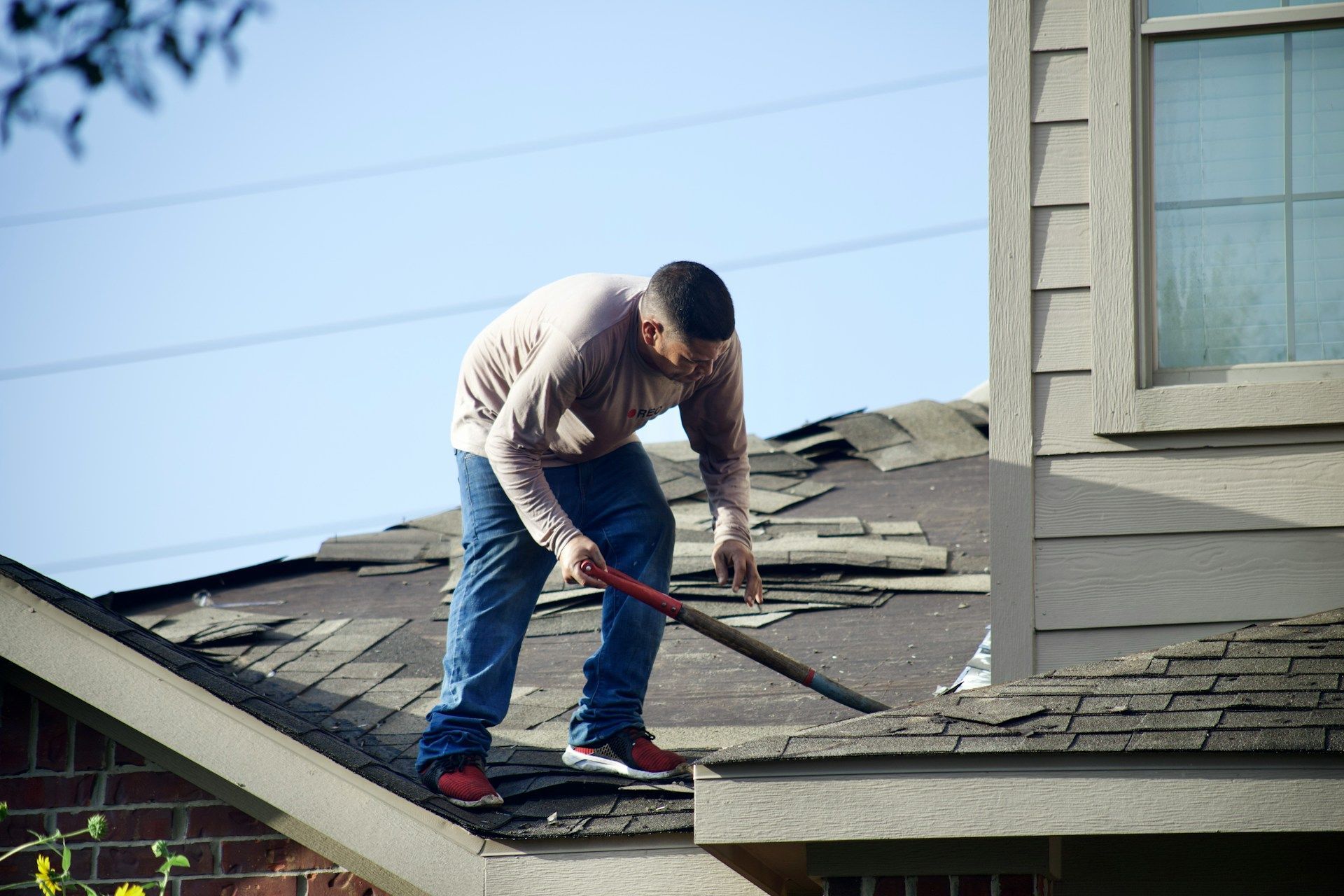
Debris can also cause damage that is easy to underestimate. Branches, flying objects, and loose rooftop items may crack tiles, dent metal trim, puncture low-slope roofing materials, or clog drainage routes. On commercial and industrial buildings, blocked drains can leave water sitting on the roof surface and speed up wear.
Warning Signs Your Roof Needs Professional Attention
A ground-level walk around the property can reveal clues after a storm. Please avoid climbing onto a roof that may be damaged. Loose materials, wet surfaces, and hidden weak spots can make roof access unsafe.
Keep an eye out for visible signs such as:
- Missing, displaced, cracked, or broken shingles and tiles
- Exposed underlayment, loose flashing, bent metal trim, or damaged gutters
- Granules collecting near downspouts or along exterior walls
- Debris trapped in roof valleys, gutters, drains, or drainage paths
- Fallen limbs or objects that may have struck the roof
Indoors, water intrusion can appear slowly. You might notice a ceiling stain after the storm has passed, peeling paint near an exterior wall, bubbling drywall, damp attic insulation, warped wood, or a musty smell. Since water can run along decking, framing, and other building materials, the source of the leak is not always above the visible damage.
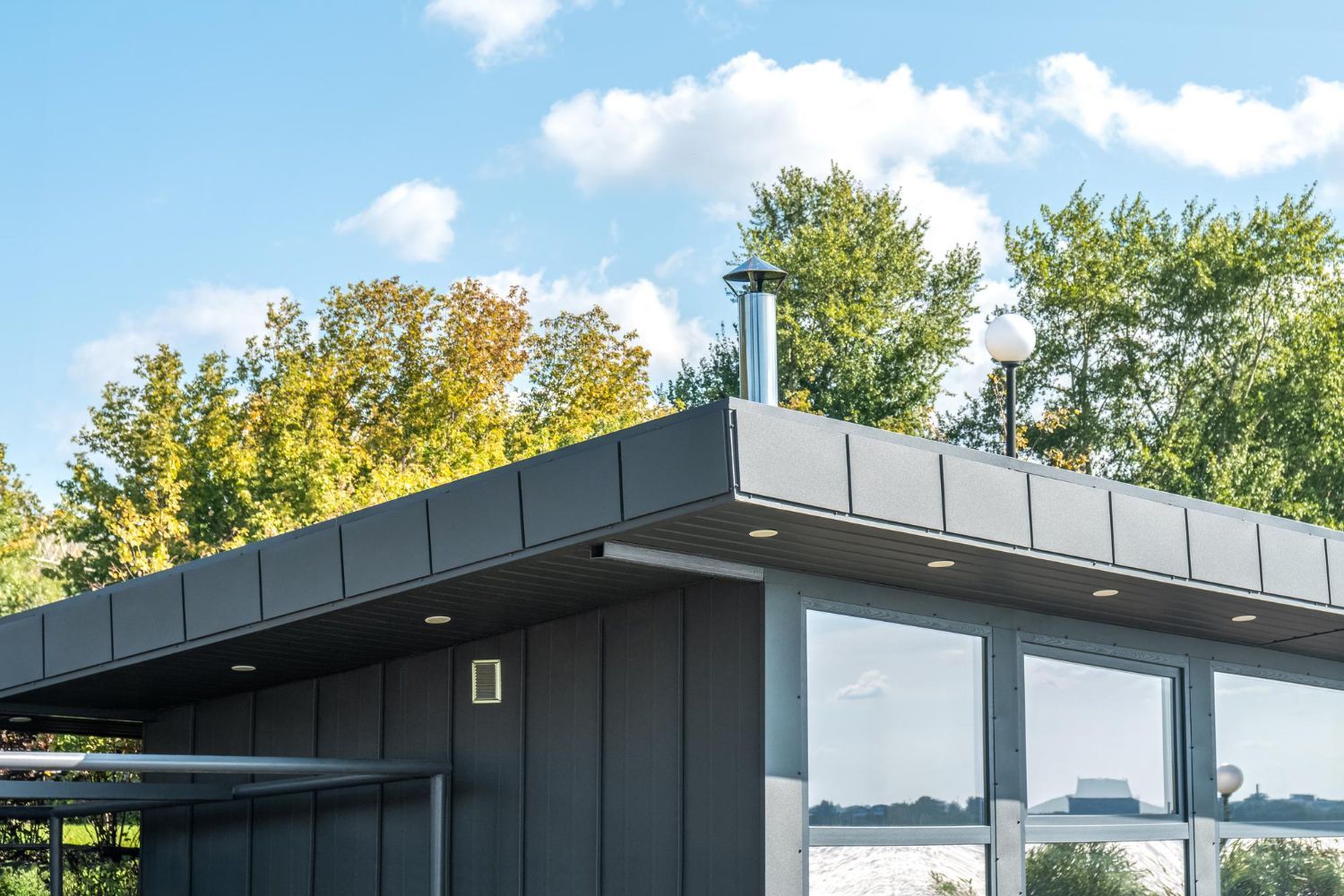
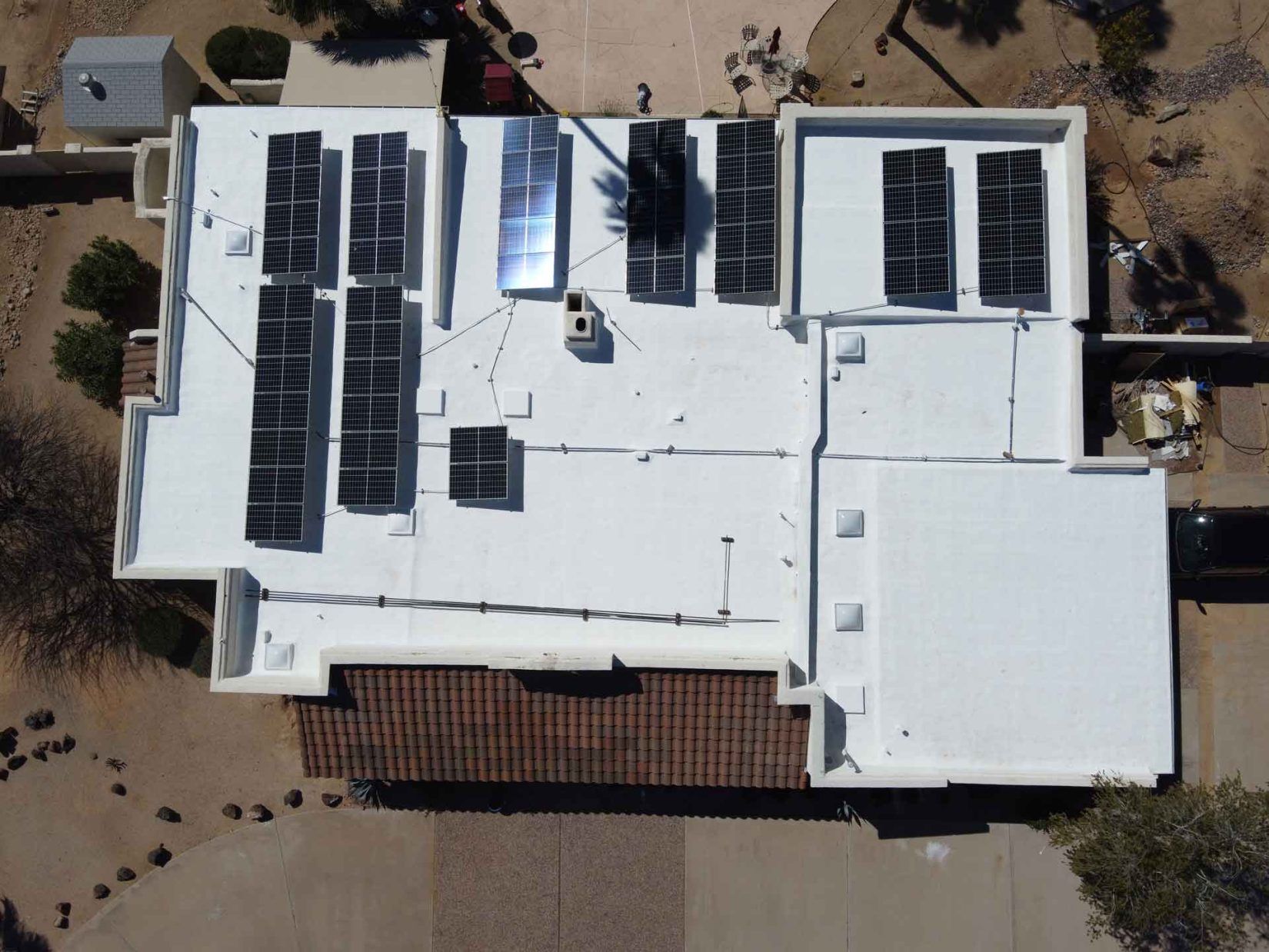
Commercial and industrial roofs deserve the same attention, with a few added concerns. Ponding water, pulled membrane seams, loose coping, punctures near rooftop equipment, and leaks around HVAC penetrations may affect daily operations. When these issues are left in place, the next storm can make a manageable repair much more involved.
Small Roof Breaches Can Threaten Interiors
A small opening in a roof can allow water to move farther than expected. Moisture may travel beneath tiles or shingles, follow roof decking, and reach insulation before it becomes visible inside. That delay can make storm damage seem minor when it is already spreading.
For homes, hidden moisture can affect attic insulation, drywall, ceilings, wood framing, and interior finishes. Damp conditions may also create an environment where mold can develop. Addressing the source of the water early helps limit how far the problem can go.
The stakes can be even higher in commercial and industrial spaces. A roof leak may affect inventory, tenant areas, equipment, electrical components, production spaces, and employee safety. Flat and low-slope roofs need close attention after storms because drainage problems and membrane damage can allow water to remain where it should not.
Roof performance matters more than appearance alone. A roof that looks mostly intact may still be unable to protect the building during another round of heavy rain or high winds.
Documenting Damage for an Insurance Claim
When it is safe to do so, we recommend documenting visible storm conditions as soon as possible. Clear photos and videos can create a helpful record of what happened and what areas were affected.
Useful items to document include:
- Fallen branches, debris, or objects near the building
- Cracked tiles, displaced materials, damaged gutters, or visible roof damage
- Ceiling stains, wet walls, peeling paint, or other interior moisture signs
- Standing water near roof drains or signs of water entering the structure
- Dates, notes, receipts, and records related to emergency mitigation
A professional roof inspection can identify damage that is not obvious from the ground and provide repair documentation for discussions with an insurance carrier. We provide insurance-claim support by helping you understand the roof findings and the recommended scope of work. Coverage and claim decisions remain with the insurance carrier and policy terms.
It is also wise to take reasonable steps to limit additional damage. Moving belongings away from an active leak, placing containers under drips, and arranging temporary protection when appropriate can help protect the property while the roof is being evaluated. Keep records of any emergency services or repairs.
Schedule a Post-Monsoon Roof Inspection Today
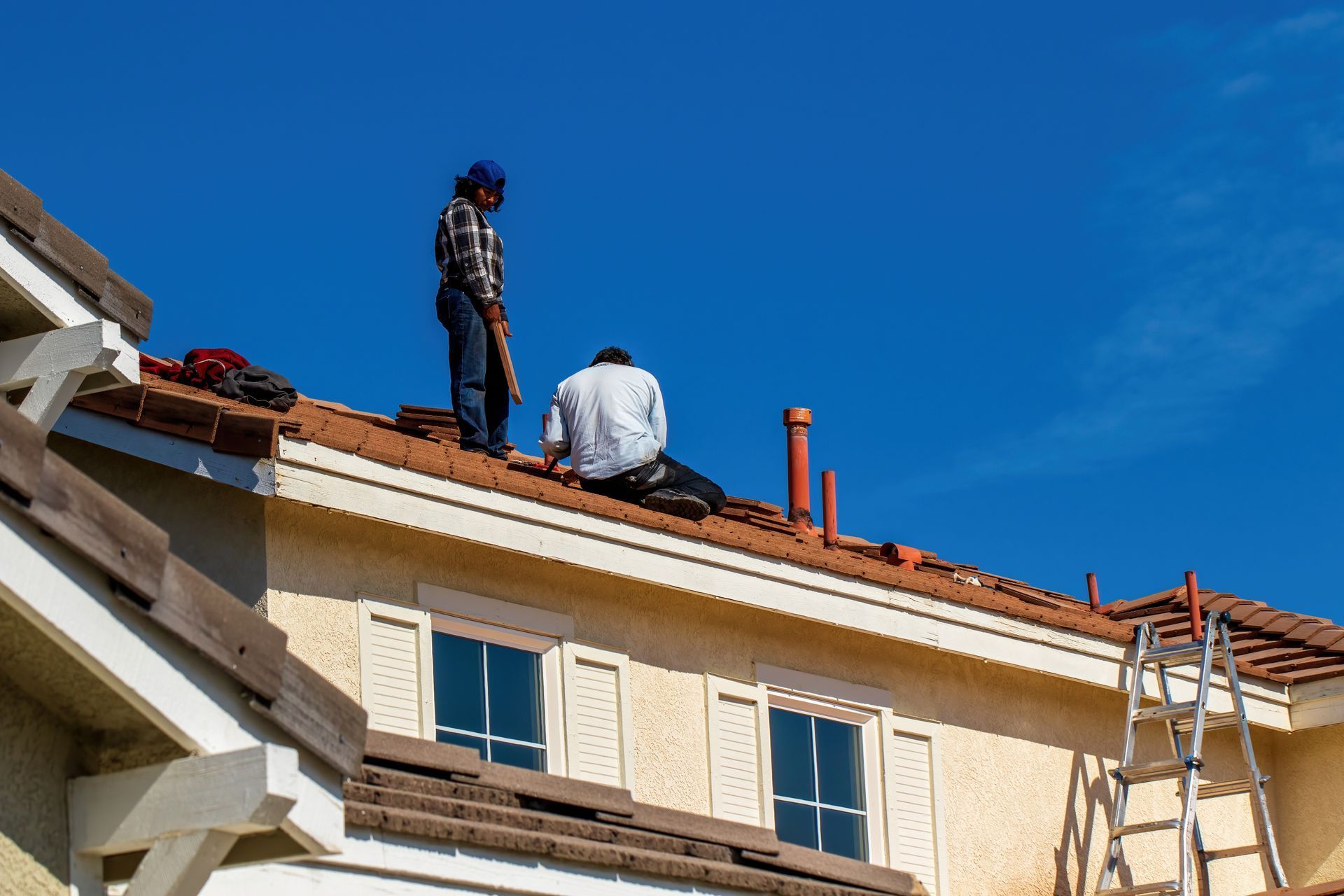
After a season of high winds, heavy rain, and flying debris, an inspection can help separate normal surface wear from storm damage that needs attention. We serve Tucson property owners with roof inspections, storm damage assessments, repairs, replacements, and insurance-claim support.
Early action gives you a clearer view of your roof’s condition before a small weakness turns into water damage, interior repairs, or disruptions inside the building. Even when the roof looks fine from below, a professional assessment can help confirm that it is ready for the next storm.
Protect Your Property With a Detailed Roof Evaluation
Prowest Roofing can identify storm-related concerns that may not be visible from the ground. Get professional help with
storm damage roofing in Tucson and receive clear recommendations for protecting your building. Our team will assess the affected areas and explain the next steps for a dependable repair plan.