Find the Best Metal Roof for Arizona’s Climate
Metal roofing in Phoenix needs to handle a lot more than an ordinary rainy day. Strong sun, extreme heat, windblown dust, and summer monsoon storms can all wear on a roof year after year. Standing seam and corrugated metal are both durable options, but they have very different looks, installation methods, and maintenance needs.
When we help you compare metal roofing systems, we look beyond appearance. Your building type, roof slope, drainage, budget, energy goals, and long-term plans all matter. A home may need a polished style that supports curb appeal, while a warehouse or industrial building may need a practical system that covers a large area efficiently.
Phoenix Weather Demands a Durable Metal Roof
Phoenix roofs spend much of the year under direct sunlight. Metal panels expand and contract as temperatures change, while dust can collect around flashing, seams, and drainage areas. Monsoon rain and wind can then test every fastener, seal, overlap, and roof penetration.
That is why panel quality and installation details matter as much as the metal itself. We inspect the roof structure, slope, drainage paths, flashing, and any equipment or vents that pass through the roof before recommending a system. A roof that fits one property may not be the right fit for another.
Metal can offer several useful benefits in Arizona’s sunny climate:
- It can reflect a portion of the sun’s heat.
- It resists rot and insect damage.
- Light-colored panels and reflective coatings may support energy goals.
- Properly installed metal systems can provide dependable weather protection.
Neither standing seam nor corrugated metal is automatically the best choice. Local code requirements, structural needs, roof pitch, and the building’s exposure to wind and rain should all guide the decision.
Standing Seam Offers Premium Protection and Style
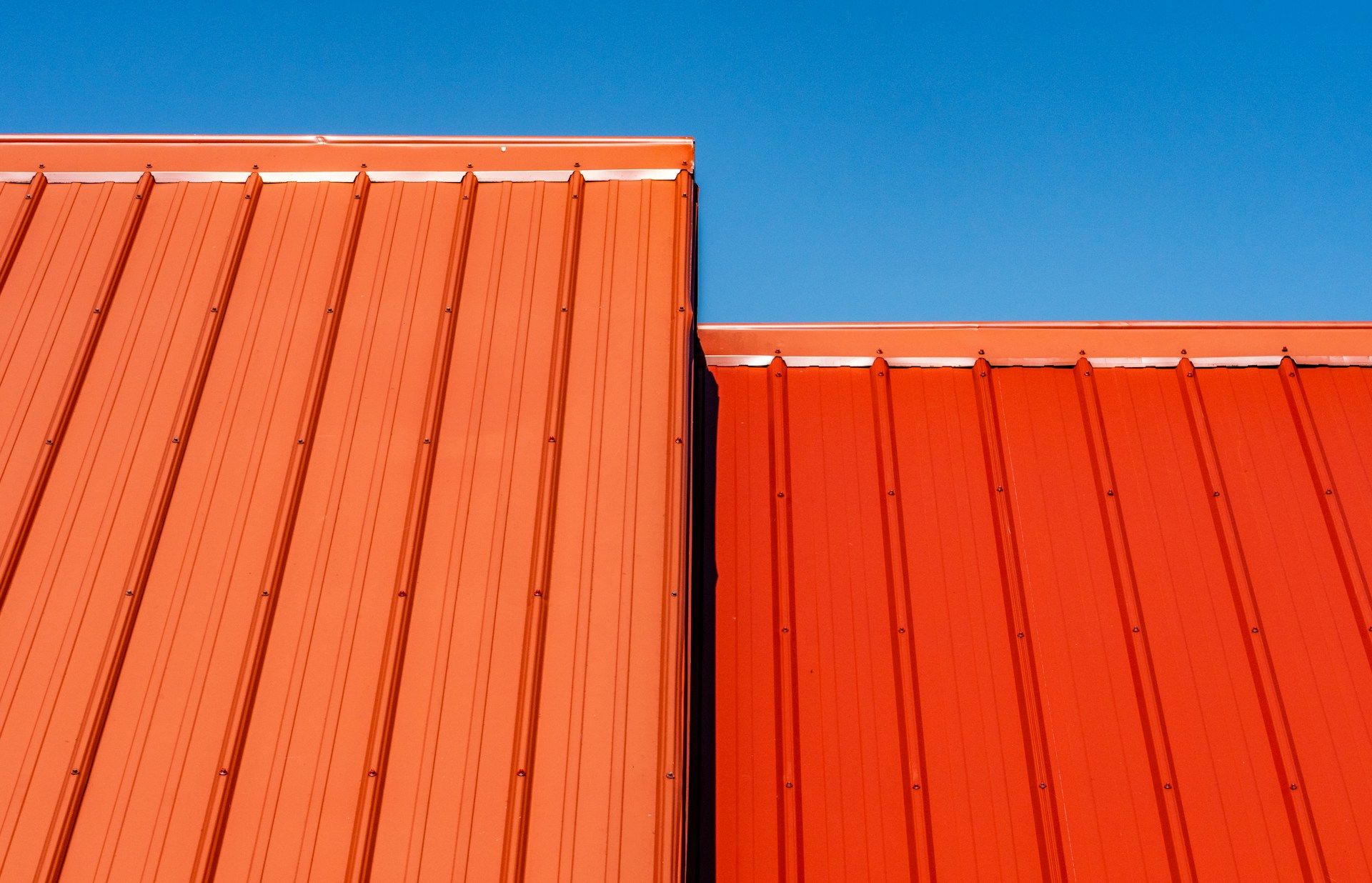
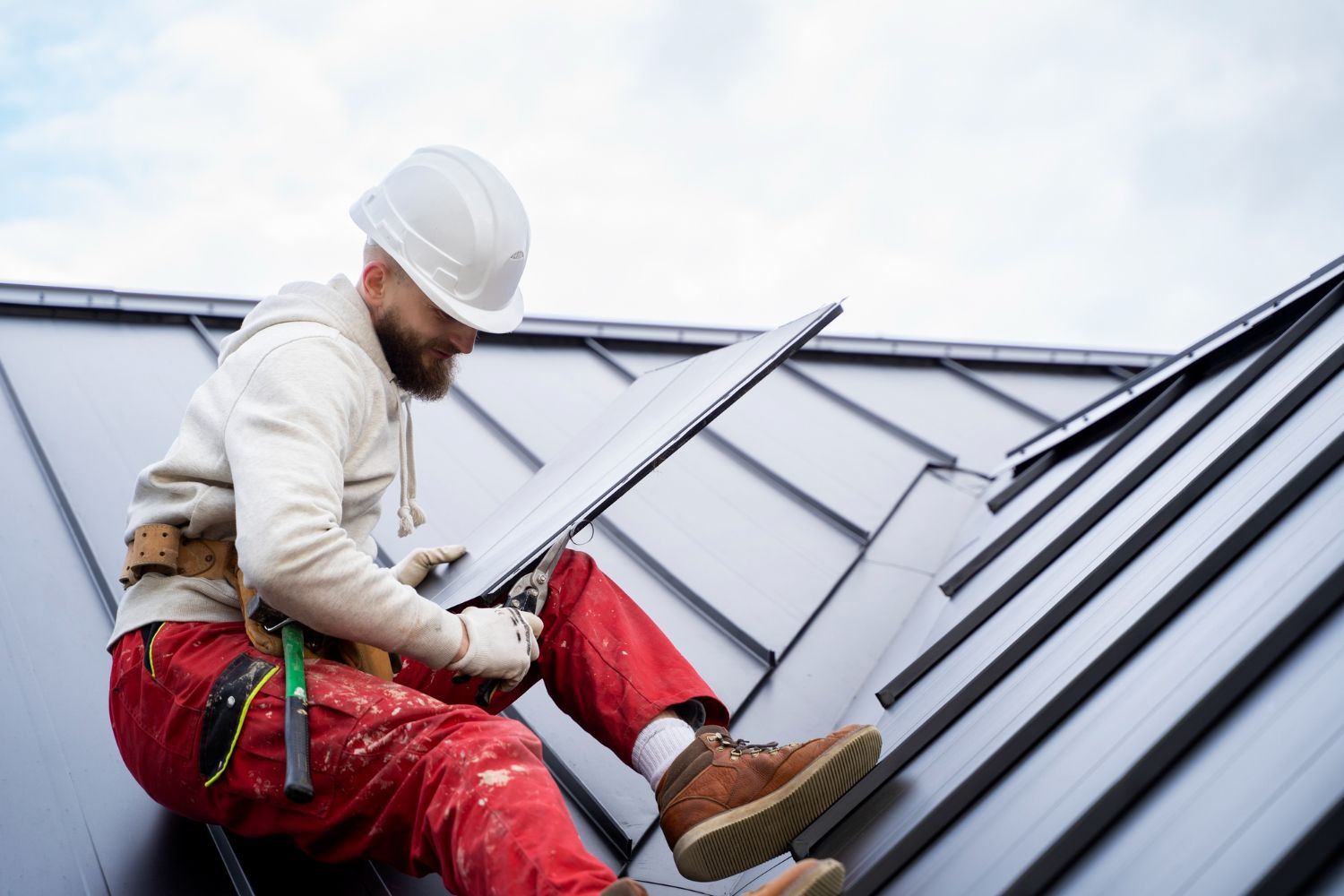
Standing seam roofing uses long metal panels that connect at raised seams. In many systems, fasteners are concealed beneath those seams instead of being visible on the roof surface. The result is a clean, modern look with fewer exposed attachment points.
For homes and commercial properties, this design can be especially useful in Phoenix. Exposed fasteners are often a point that needs ongoing attention because sun, weather, and panel movement can affect them over time. With standing seam, properly designed clips and seams allow the panels room to move as temperatures change.
We often recommend standing seam when a property owner wants a refined appearance along with lower long-term attention to roof fasteners. It can work well on buildings where architectural style matters as much as weather resistance.
Standing seam does require specialized materials, skilled labor, and careful detailing around edges, penetrations, and transitions. It generally calls for a greater initial investment than corrugated panels, but its concealed-fastener design and long service life can make it a strong fit for many metal roofing projects in Phoenix.
Corrugated Metal Provides Practical Value and Versatility
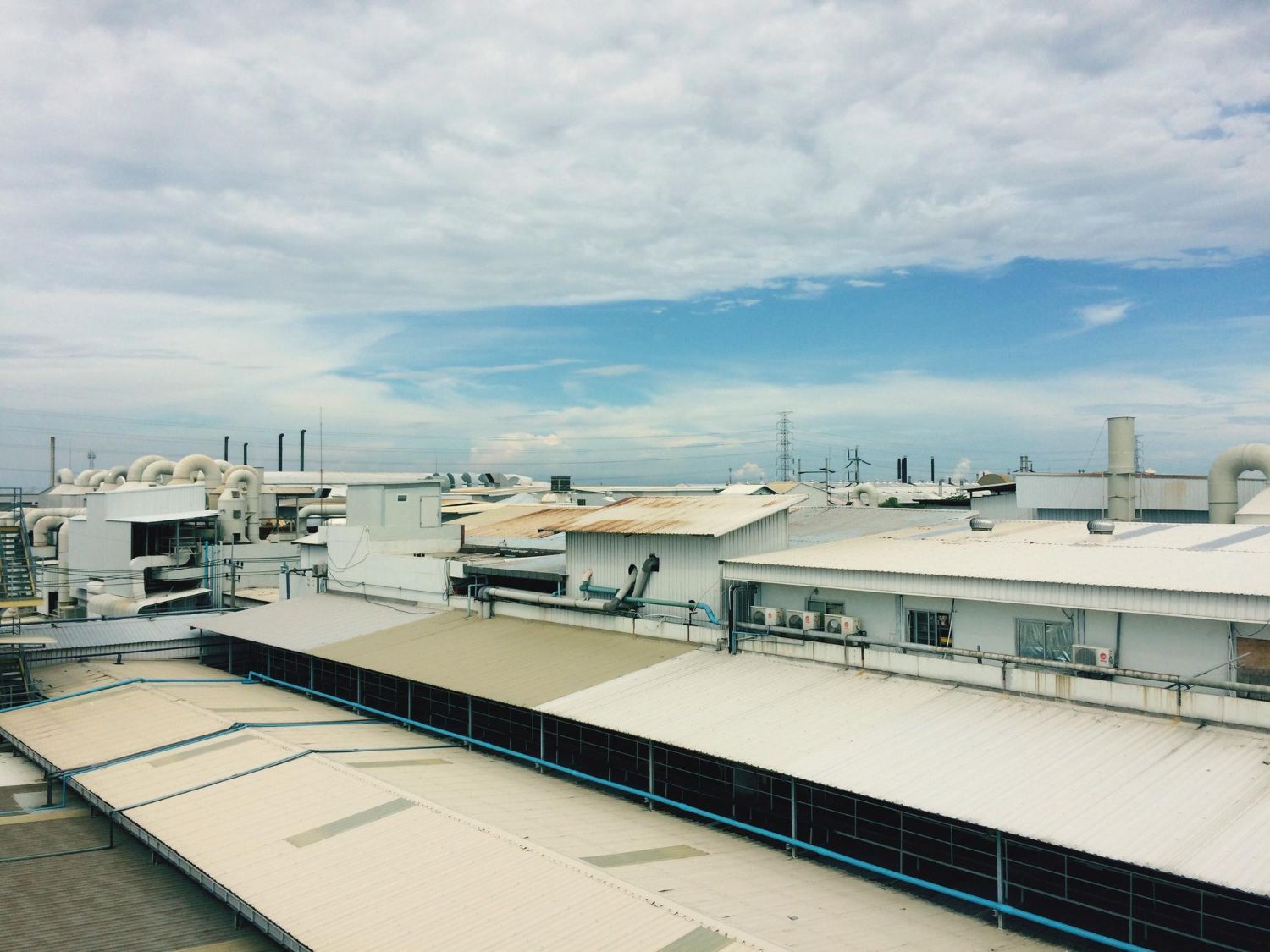
Corrugated metal roofing has repeating ridges and valleys that create its familiar profile. It can suit agricultural-style buildings, workshops, warehouses, storage facilities, patio covers, industrial spaces, and some homes with rustic or modern design elements.
One reason corrugated metal remains popular is its practical approach. The panels are widely available, often more economical than standing seam, and can be installed efficiently on the right roof structure. Their shaped profile also adds strength and helps direct water toward gutters and drainage areas.
Corrugated metal systems commonly use exposed fasteners with sealing washers. That does not make them a poor choice, but it does mean regular professional inspections are important. In Arizona, heat, sun, dust, and monsoon storms can affect fasteners, sealants, flashing, and panel connections.
For reliable performance, we look closely at details such as:
- Proper panel overlap and placement
- Correct fastener spacing and sealing
- Flashing around walls, vents, and roof edges
- Drainage routes that move water away from the building
- The condition of existing roof decking and supports
With quality panels and professional installation, corrugated metal can provide dependable coverage for properties where practical performance and efficient installation are top priorities.
Compare Long-Term Maintenance and Performance
The biggest difference between these systems often comes down to fastener design and appearance. Standing seam hides most fasteners beneath raised seams, while corrugated panels usually have visible fasteners through the face of the panel. Both systems can perform well, but they ask for different levels of ongoing attention.
Standing seam may be a better match if you want a sleek look, strong weather protection, and fewer exposed fasteners to monitor. It is commonly chosen for homes and commercial buildings where the roof is an important part of the property’s overall appearance.
Corrugated metal may be the better fit for utility-focused buildings, large roof areas, and projects where a straightforward panel system makes sense. It can remain highly durable, but we recommend including fasteners, sealants, flashing, and drainage areas in a regular maintenance plan.
The right choice is rarely about declaring one panel style the winner. It is about matching the roof system to the building, the expected use of the property, and the kind of care you are prepared to give it over time.
Plan Your Metal Roof Upgrade Before Monsoon Season
November can be a smart time to take a closer look at your roof. The holiday season is often a helpful calendar reminder to plan ahead before the next stretch of intense sun and monsoon weather returns. A professional inspection can identify worn fasteners, damaged flashing, drainage concerns, corrosion, and signs of past storm damage before they grow into larger issues.
Whether you prefer the polished look of standing seam or the practical versatility of corrugated panels, the best decision starts with a clear view of your roof’s condition. A system that suits your structure, slope, drainage needs, and long-term goals will be better prepared for the demanding Phoenix climate.
Get Expert Guidance for Your Metal Roof
Prowest Roofing can help you compare materials, evaluate your roof, and choose a system built for lasting performance. Get professional advice on
metal roofing in Phoenix from our experienced team. We will help you move forward with a clear plan for your property.