Protect Your Tucson Roof Before Small Leaks Grow
Monsoon season can leave behind roof damage that is easy to miss at first. By late October, we recommend taking a close look at your property so hidden problems do not turn into bigger repairs after later rainstorms. For Tucson homeowners and property managers, this is a smart time to gather information, document concerns, and decide whether insurance roof claims in Tucson may be appropriate.
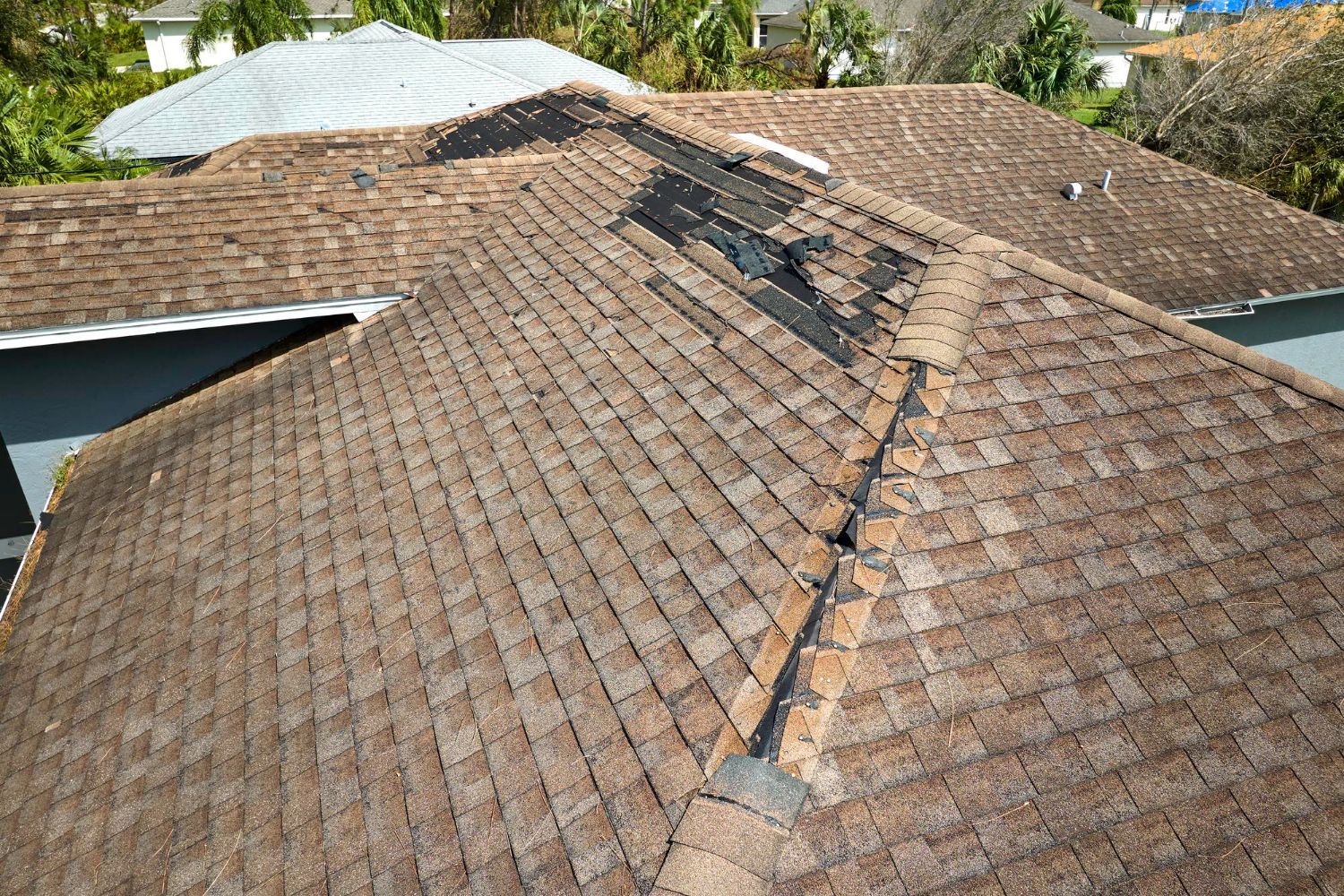
Strong winds, driving rain, and flying debris can affect many parts of a roofing system. We often find storm-related issues such as lifted or missing shingles, cracked tile, damaged underlayment, clogged drainage areas, and punctures caused by branches or other debris. Leaks may also develop around vents, skylights, flashing, and other roof openings.
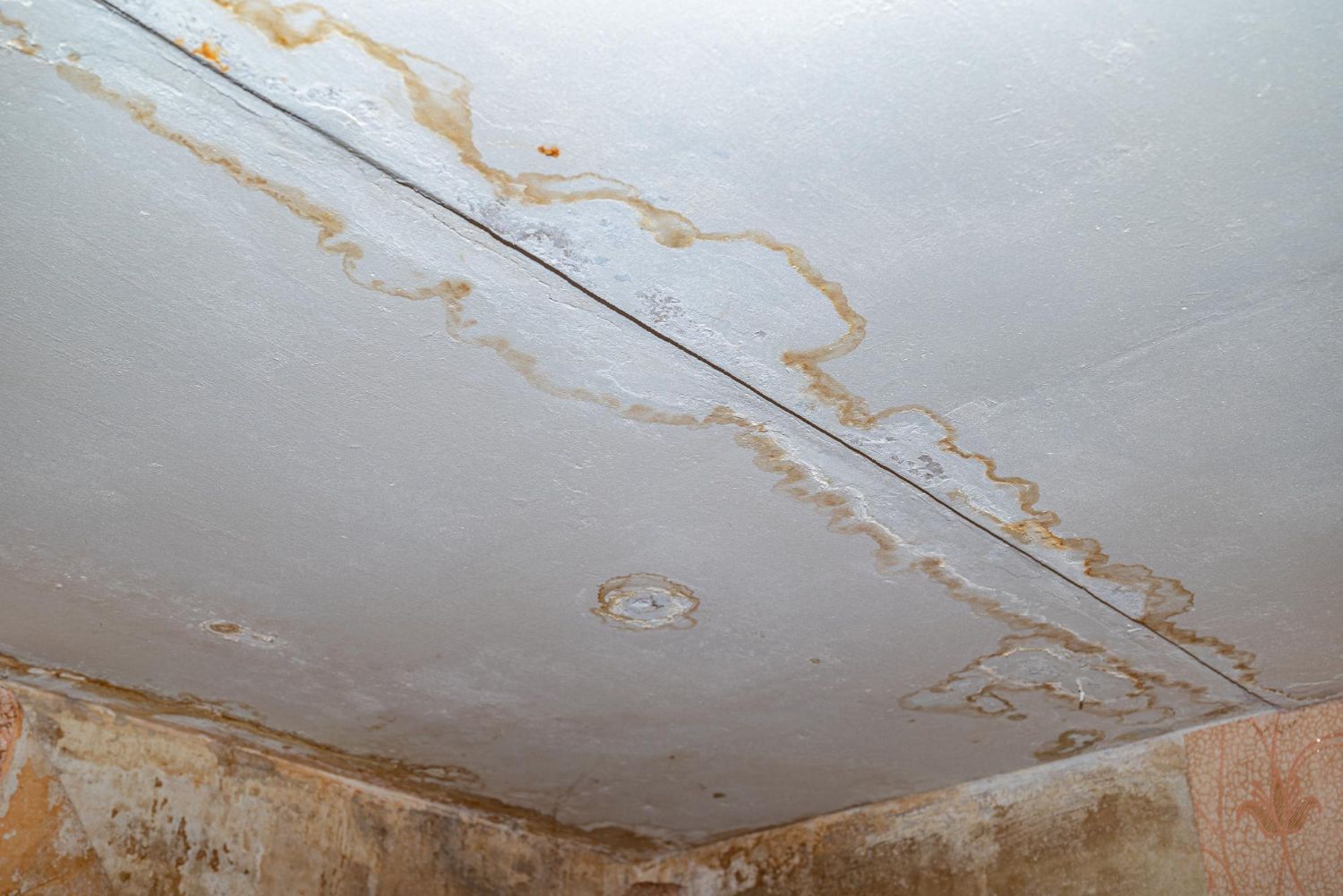
Not all damage can be seen from the ground. Inside the property, watch for signs such as water stains on ceilings, bubbling paint, musty attic odors, damp insulation, or a drip that appears during a later rain. These clues may point to moisture that entered during a monsoon storm and traveled before becoming visible.
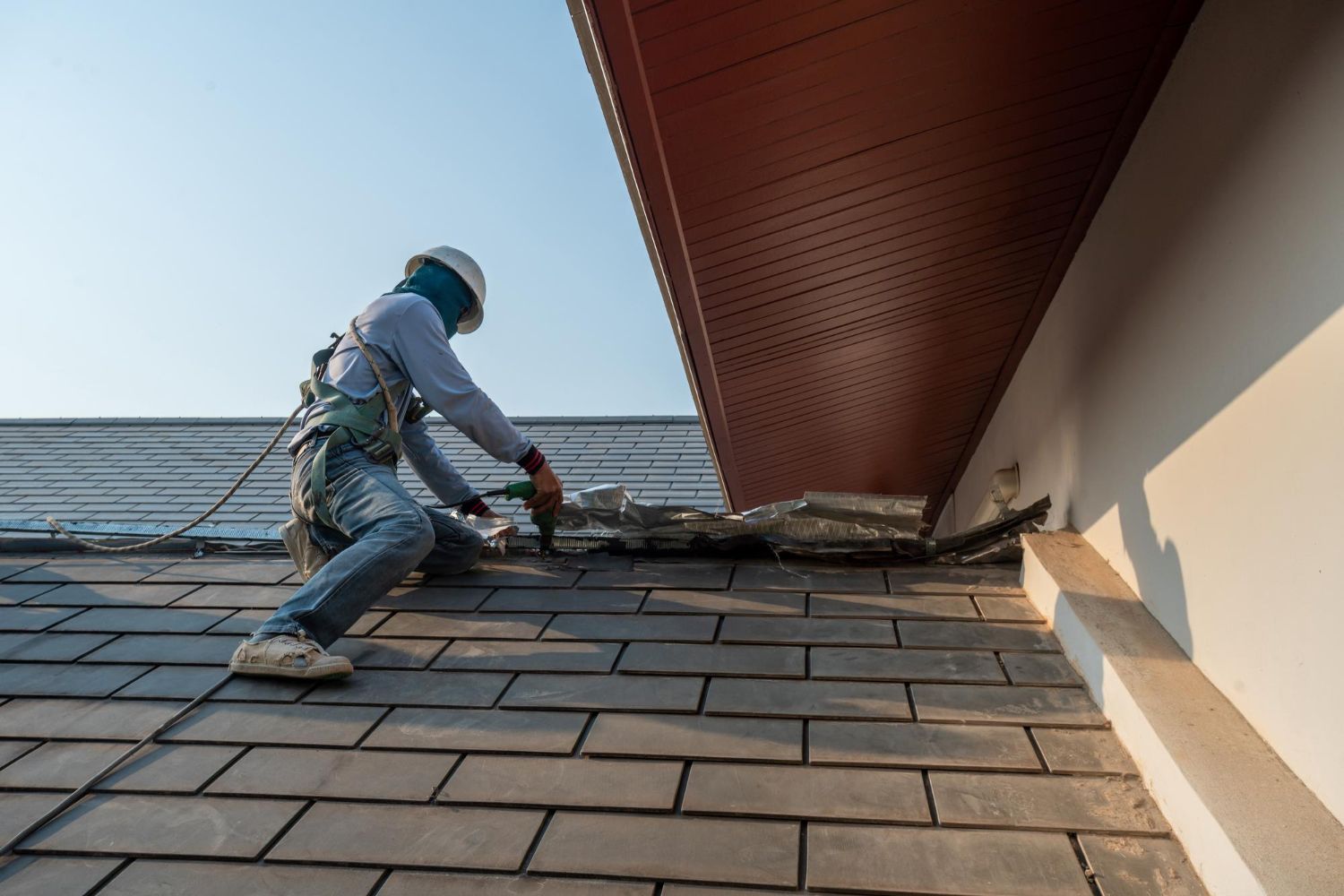
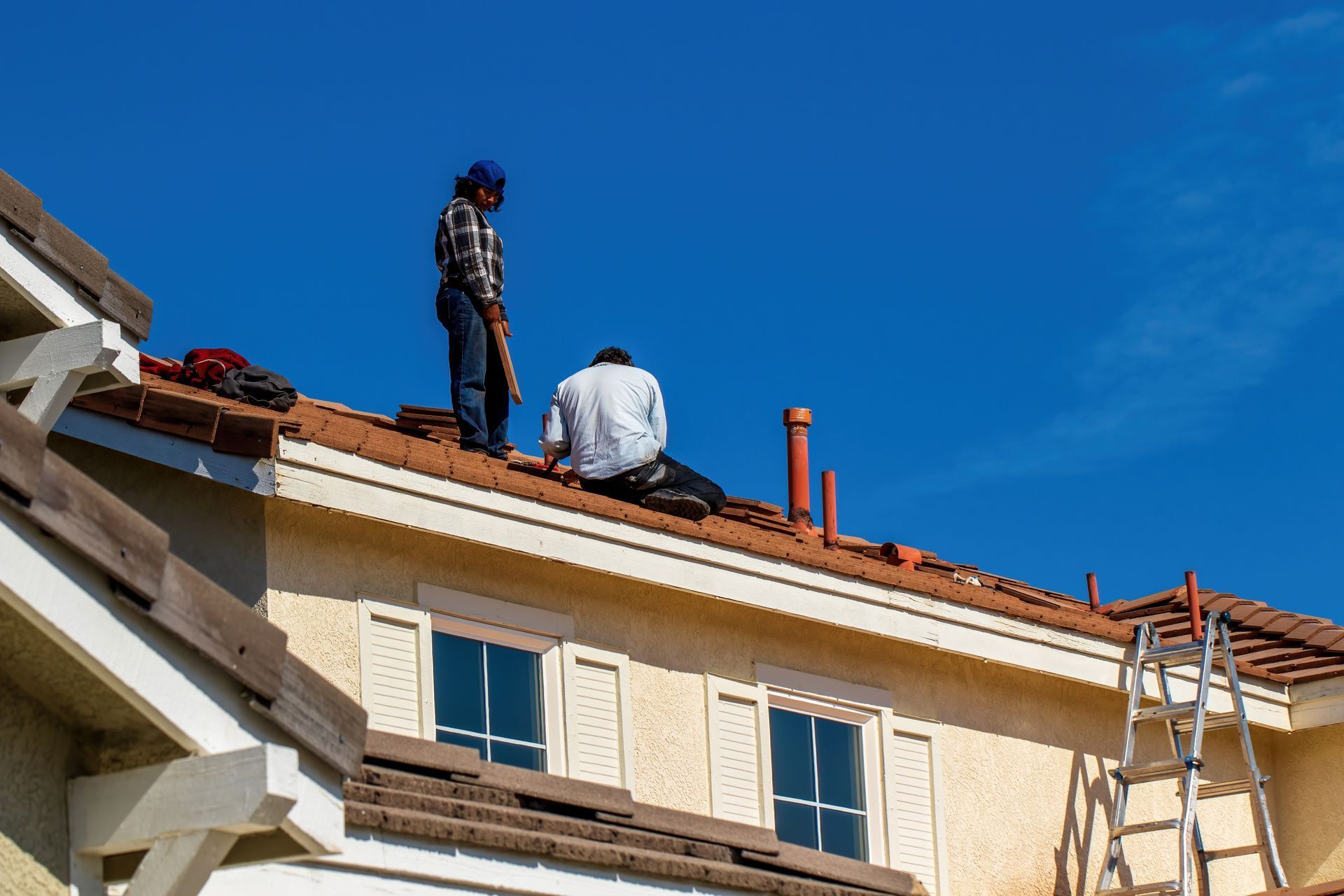
An inspection gives you a clearer picture of the roof’s condition. We can identify visible storm-related concerns, look for areas that need temporary protection, and document the condition of the roof before you decide how to move forward.
Document Monsoon Damage Before Filing a Claim
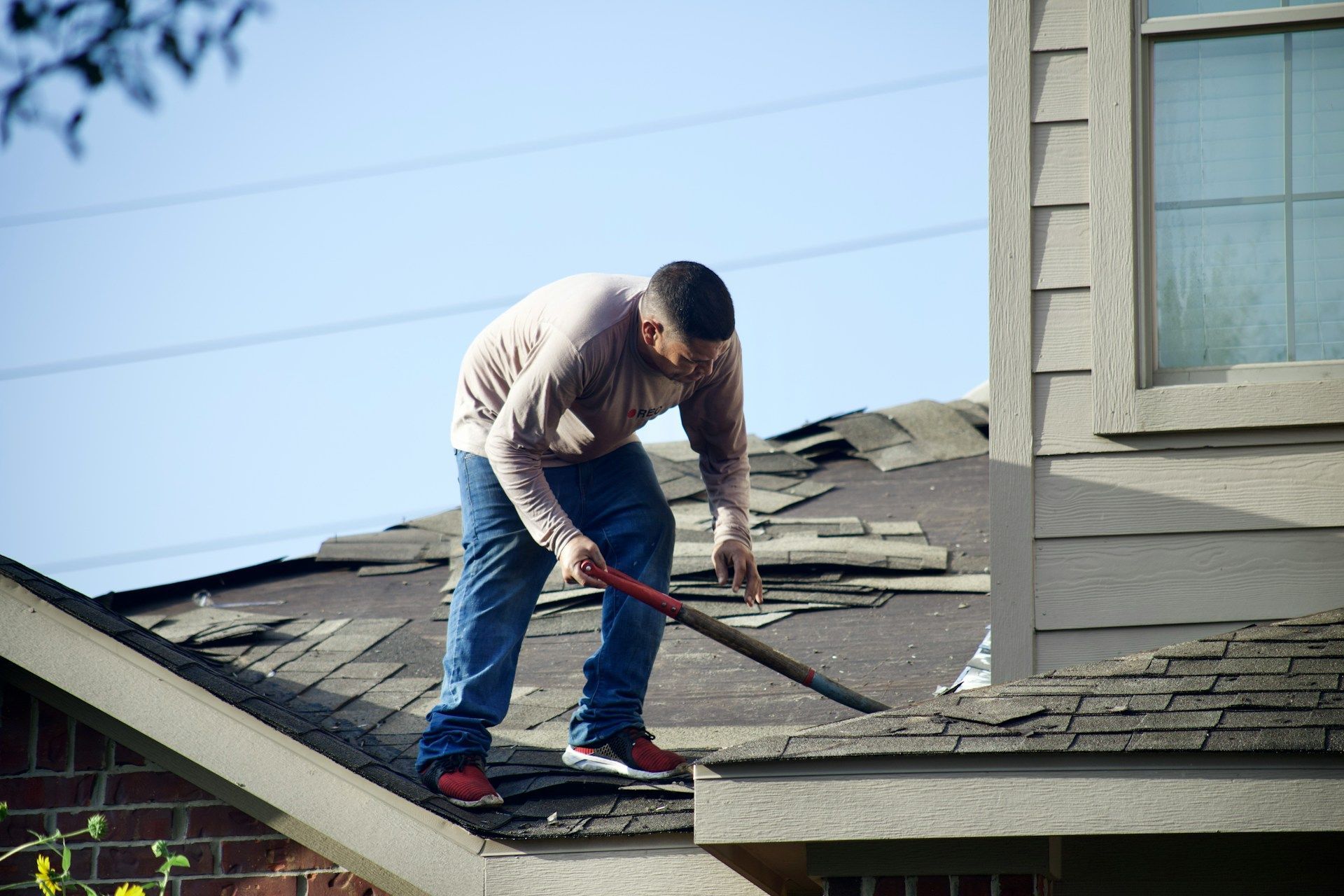
Good records can make the claims process far less confusing. Before filing, we recommend safely documenting what you can see from the ground and inside the building. Avoid climbing onto a roof that may be damaged. A weakened area, loose materials, or wet surfaces can create a serious safety risk.
Photos and notes can help show what happened and when you first noticed it. Useful items to document include:
- Missing shingles, cracked tile, or fallen roofing materials
- Branches, debris, damaged gutters, or displaced drainage components
- Ceiling stains, wet insulation, bubbling paint, and interior drips
- Any temporary tarps, water mitigation work, or emergency repairs
Along with photos, create a simple timeline. Write down the approximate storm date, the first day you noticed damage, and any action taken to limit further water intrusion. Keep invoices for temporary protection, water cleanup, and related work. It also helps to save notes from every conversation with your insurer, including dates, names, and what was discussed.
Temporary steps may be needed to prevent additional water damage, but permanent repairs should generally wait until the insurer has had an opportunity to review the loss. Take photos before and after any temporary work so there is a clear record of the original condition and the protective measures taken.
File Insurance Roof Claims in Tucson with Confidence
Once you have documented the damage, report the loss to your insurance carrier as soon as practical. Be ready to share the storm date, the cause of the damage as you understand it, and the visible issues you have found. Ask for a claim number and the adjuster’s contact information, then keep those details with your other records.
Before discussing the claim in depth, review your policy. Coverage can vary, and knowing the basic terms helps you ask better questions. Pay attention to your deductible, roof coverage type, exclusions, depreciation language, and whether your policy uses actual cash value or replacement cost value.
We can support insurance roof claims in Tucson by inspecting the roof, identifying storm-related conditions, and preparing a detailed repair or replacement estimate. Our role is to explain the roofing work that may be needed and help you understand the scope being discussed. We do not decide coverage, interpret your policy, or act as the insurance carrier.
Understand Estimates, Deductibles, and Settlement Options
An adjuster’s estimate and a contractor’s estimate may not look the same, even when both are based on the same property. The adjuster prepares the carrier’s initial assessment of covered damage. Our estimate focuses on the actual roofing materials, labor, repair needs, and property-specific conditions involved in restoring the roof.
Claim language can feel confusing, especially when several documents arrive at once. Here are a few common terms you may see:
- Deductible, the amount you are responsible for under your policy
- Depreciation, a reduction based on age or condition under certain policies
- Actual cash value, a payment method that may account for depreciation
- Replacement cost value, coverage that may provide for replacement under policy terms
- Recoverable depreciation, an amount that may be released after qualifying work is completed
Coverage, payment amounts, and timing all depend on the policy and the insurer’s review. If the adjuster’s scope does not appear to include work needed to properly restore the roof, we can help you compare the written scopes line by line. It is better to compare what each estimate includes than to focus only on the bottom-line total.
A complete roofing scope may account for damaged materials, underlayment, flashing, ventilation, disposal, permit needs when applicable, and related repairs required for a proper installation. Missing details can lead to misunderstandings later, so clear documentation matters.
Avoid Delays and Create a Clear Roof Plan
Waiting too long after storm damage can make a claim harder to sort out. A small leak can continue to affect insulation, roof decking, ceilings, and walls. As time passes, it may become more difficult to separate sudden monsoon damage from normal aging, prior wear, or maintenance concerns.
Keep claim information in one folder, whether paper or digital. Save photos, emails, claim documents, adjuster notes, invoices, temporary repair records, and copies of all estimates. When you receive a request for information, respond promptly and confirm important conversations in writing when possible.
Not every roof problem qualifies for insurance coverage. Normal wear, lack of maintenance, aging materials, and earlier unrepaired damage may be handled differently than sudden wind or rain damage. A professional inspection can help you understand the condition of your roof and make informed repair decisions.
After monsoon season, careful documentation, timely temporary protection, and a clear understanding of your policy can help you make informed decisions. Keeping accurate records and comparing written scopes closely can also reduce confusion as you address roof damage and plan necessary repairs.
Move Forward With a Clear Repair Plan
For experienced guidance on
insurance roof claims in Tucson, turn to Prowest Roofing for a detailed roof assessment and dependable repair recommendations. Our team can help you understand the condition of your roof and identify the work needed to protect your home. Let us provide the professional support you need to move ahead with confidence.