Gain Control Over Your Flat Roof Decision
A flat roof coating and a full roof replacement are two very different ways to care for a building. The right choice depends on what is happening below the surface, not just how the roof looks from the ground.
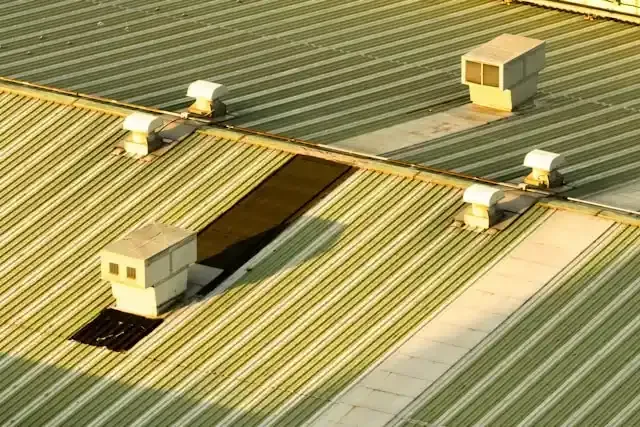
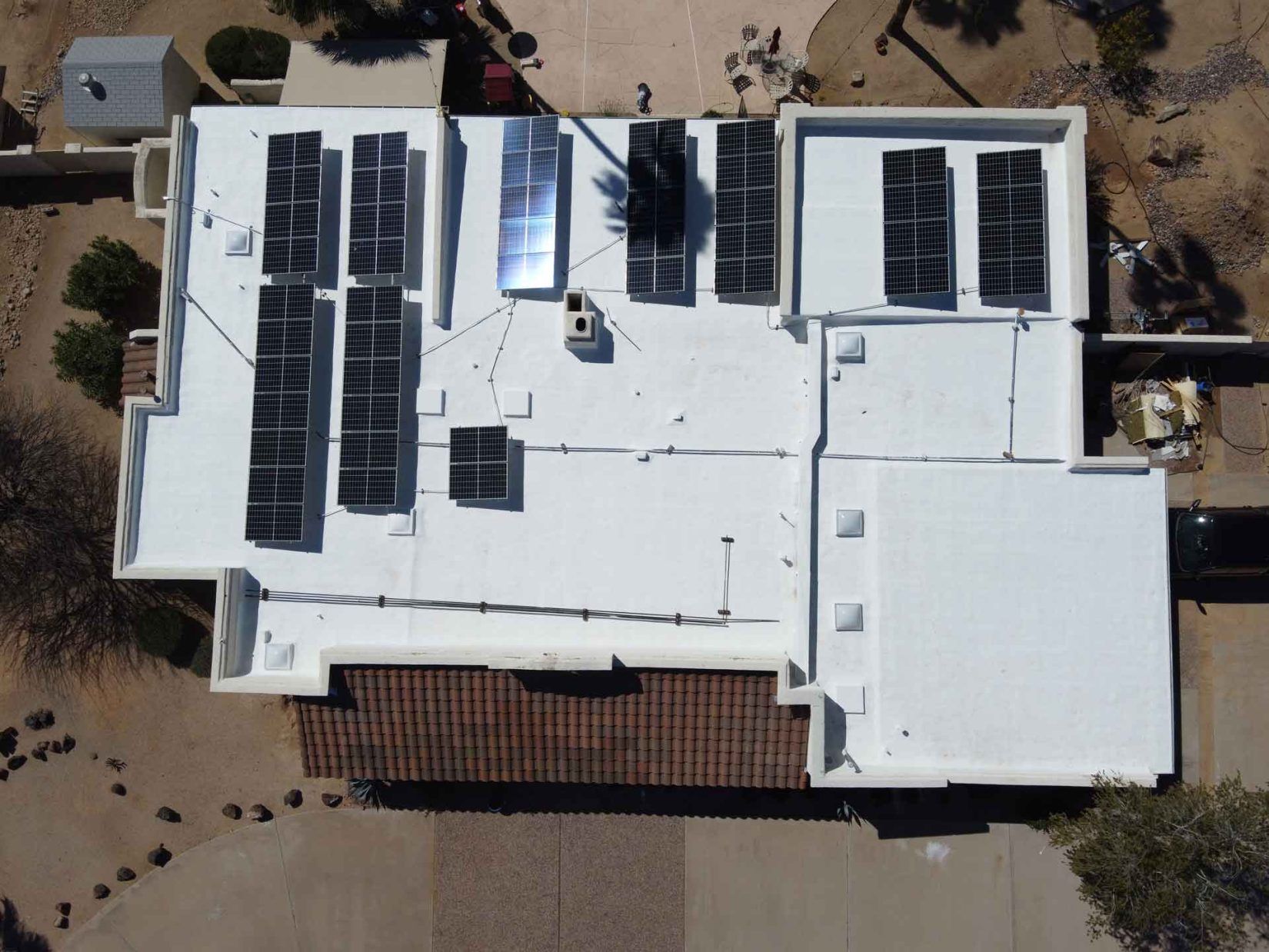
For flat roofing in Phoenix, harsh sun, extreme summer heat, monsoon moisture, and wind-driven debris can all take a toll. We look at your roof’s current condition, drainage, energy needs, and long-term property plans before recommending whether restoring the existing surface makes sense or whether a new roofing system is the safer path.
Know When a Roof Coating Delivers Real Value
A roof coating can be a practical restoration option when the existing flat roof is still structurally sound. Coatings can renew surface protection, reflect more sunlight, and seal minor weathering before it turns into a larger issue. They are not a cover-up for major roof damage, though. For a coating to perform well, the roof needs to be clean, dry, properly prepared, and in generally good condition.
We often find that a coating is worth considering when the roof shows age but has not reached the point of widespread failure. A professional inspection helps us separate normal surface wear from damage that reaches deeper into the roofing assembly.
A coating may be a good candidate when we find:
- Minor surface cracking or fading from sun exposure
- Aging reflectivity on an otherwise sound roof surface
- Small seam concerns that can be properly repaired before coating
- A roof nearing the end of its current warranty without ongoing leaks
- Adequate drainage and no signs of trapped moisture beneath the membrane
Different coating systems perform differently. Silicone may be considered where standing water is a concern, while acrylic and other systems may fit roofs with different drainage, exposure, and performance needs. Before choosing a product, we evaluate the existing roof material, roof slope, drain locations, rooftop foot traffic, flashing details, and the preparation work required.
Preparation matters as much as the coating itself. Loose material, dirt, moisture, failed seams, and damaged details must be addressed first. Applying a coating over an unprepared roof can lead to poor adhesion and leave the original problem in place.
Recognize When Replacement Protects the Building
Sometimes a coating would only postpone a larger repair. Frequent leaks, widespread blistering, failing seams, damaged flashing, saturated insulation, and visible deck concerns can all point toward replacement rather than restoration. When moisture has moved below the roof surface, adding a coating on top may hide the warning signs while the damage continues below.
Replacement gives us the opportunity to correct problems throughout the roofing system, not just at the surface. That may include removing damaged materials, addressing insulation concerns, improving drainage, replacing worn edge metal, and rebuilding flashing details around penetrations and equipment curbs.
A full replacement is often the more dependable choice when a roof has:
- Repeated leaks in different areas
- Extensive ponding water after storms
- Wet or saturated insulation
- Deteriorated seams, flashing, or roof edges
- Signs of damaged decking or structural movement
For commercial and industrial buildings, recurring water intrusion can affect inventory, equipment, tenants, and daily operations. Residential property owners also have good reason to act quickly when roof leaks threaten ceilings, walls, or interior finishes. A replacement can create a new foundation for long-term roof planning instead of requiring repeated patchwork repairs.
Long-range plans matter, too. If you expect to keep a property for many years, are preparing it for a sale, need to satisfy insurance or lender requirements, or want the reset of a new warranty, replacement may make more sense. A new flat roofing system can also be paired with updated insulation and a reflective roof surface designed for Arizona’s intense sun.
Compare Service Life and Building Disruption
It is easy to focus only on the size of the immediate project, but we recommend looking at the full condition of the roof. A coating typically involves less material removal and less debris than replacement. That can make restoration appealing for a building that is occupied or has operations that need to continue with as little interruption as possible.
Still, the smaller project is only the better value when the existing roof can truly support another service cycle. If leaks, moisture, or structural concerns remain unresolved, a coating may lead to more repair visits later. In that situation, replacement can reduce the disruption that comes with chasing the same roof problems again and again.
No roofing option has one fixed lifespan. Performance depends on the roof system, installation quality, drainage, maintenance, foot traffic, and ongoing exposure to sun and storms. A properly installed coating can extend the service life of a suitable roof and may be renewed with continued care. Replacement provides a new roofing assembly and a longer reset point for the property.
Scheduling is another part of the decision. Coating work can often create less tear-off noise and fewer disposal needs. Replacement takes more coordination, staging, and cleanup, but it may be the right move when deeper corrections are needed. We encourage you to weigh daily operations, future plans, and roof condition together instead of choosing based on surface appearance alone.
Plan Flat Roofing in Phoenix After Monsoon Season
Late September is a smart time to look closely at a flat roof. Monsoon storms can reveal leaks, clogged drains, loose flashing, ponding water, and weak seams that were not obvious during dry weather. When those signs are still fresh, it is often easier for us to identify where water entered and what needs attention.
Fall also gives property owners time to plan before another long stretch of intense heat and sun exposure. Arizona can stay warm well beyond summer, so weather conditions still need to be watched carefully. Coating products require suitable surface and curing conditions, while replacement work also benefits from thoughtful scheduling around rain and wind.
After the rainy season, we recommend having a professional inspect:
- Drains, scuppers, and areas where debris collects
- Roof penetrations, curbs, and flashing around equipment
- Seam lines and edges that may have lifted in wind
- Interior ceilings and walls for water stains
- Areas where water remains on the roof after rainfall
Early attention can help limit further insulation damage, interior repairs, and moisture concerns. Just as importantly, an inspection can show whether the issue is a targeted repair, a coating opportunity, or a sign that the roof has reached the replacement stage.
Choose the Right Next Step for Your Property
The best flat-roof decision comes from verified roof conditions, not from a quick visual check or the smallest immediate scope of work. Before choosing a coating or replacement, we recommend a professional inspection of the membrane, seams, flashing, drainage, insulation, and deck condition.
Once you know what is happening across the full roofing system, the path becomes clearer. A sound roof may be ready for restoration, while a roof with hidden moisture or repeated failures may need a more complete solution to protect the building for the years ahead.
Get Clear Guidance for Your Flat Roof
For practical recommendations tailored to your building, get help with
flat roofing in Phoenix from Prowest Roofing. We can assess your roof’s condition, explain your options, and help you make an informed decision. Reach out today to discuss the next steps for your property.