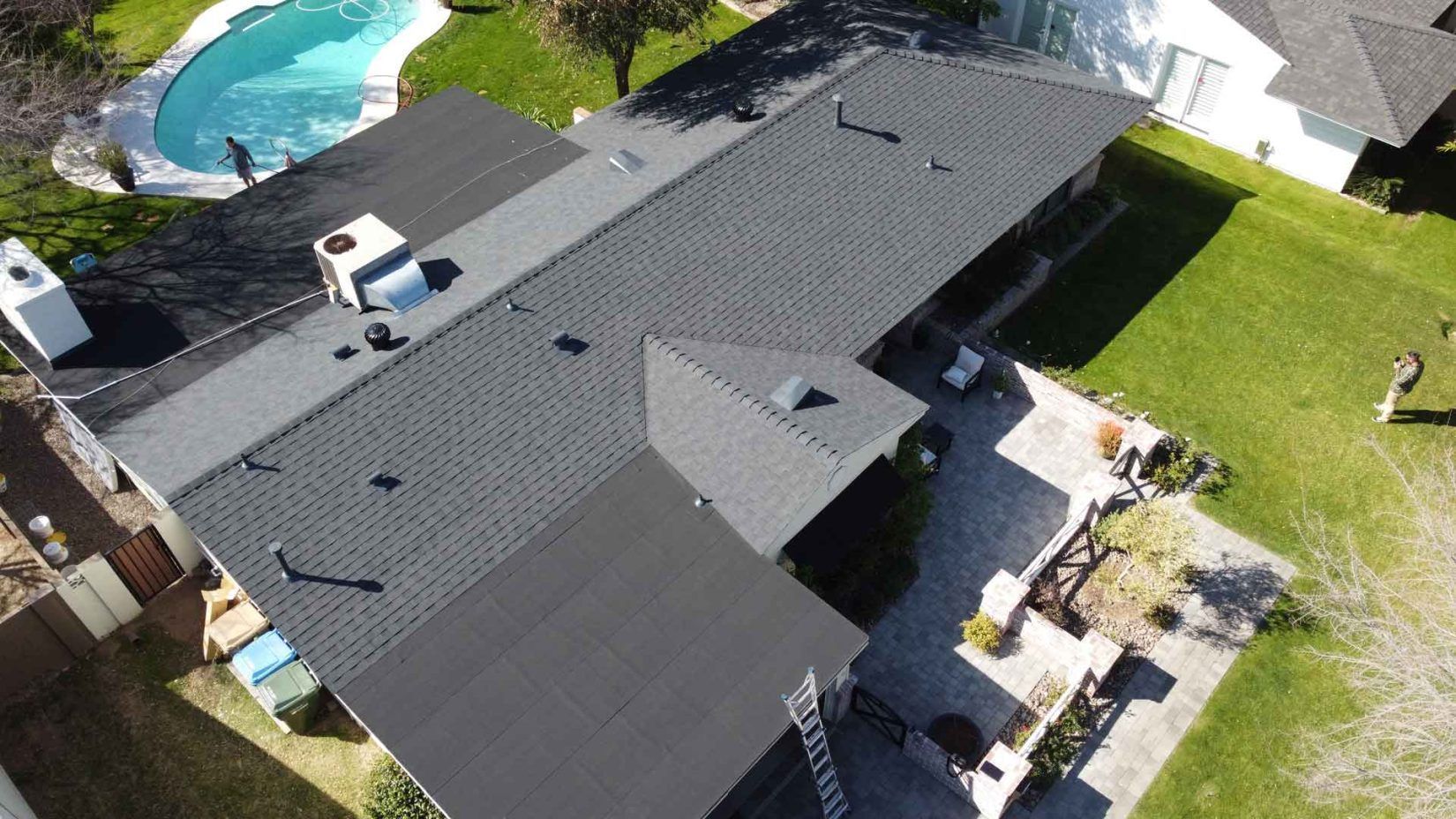
The True Cost of Delaying Roof Replacement in Phoenix
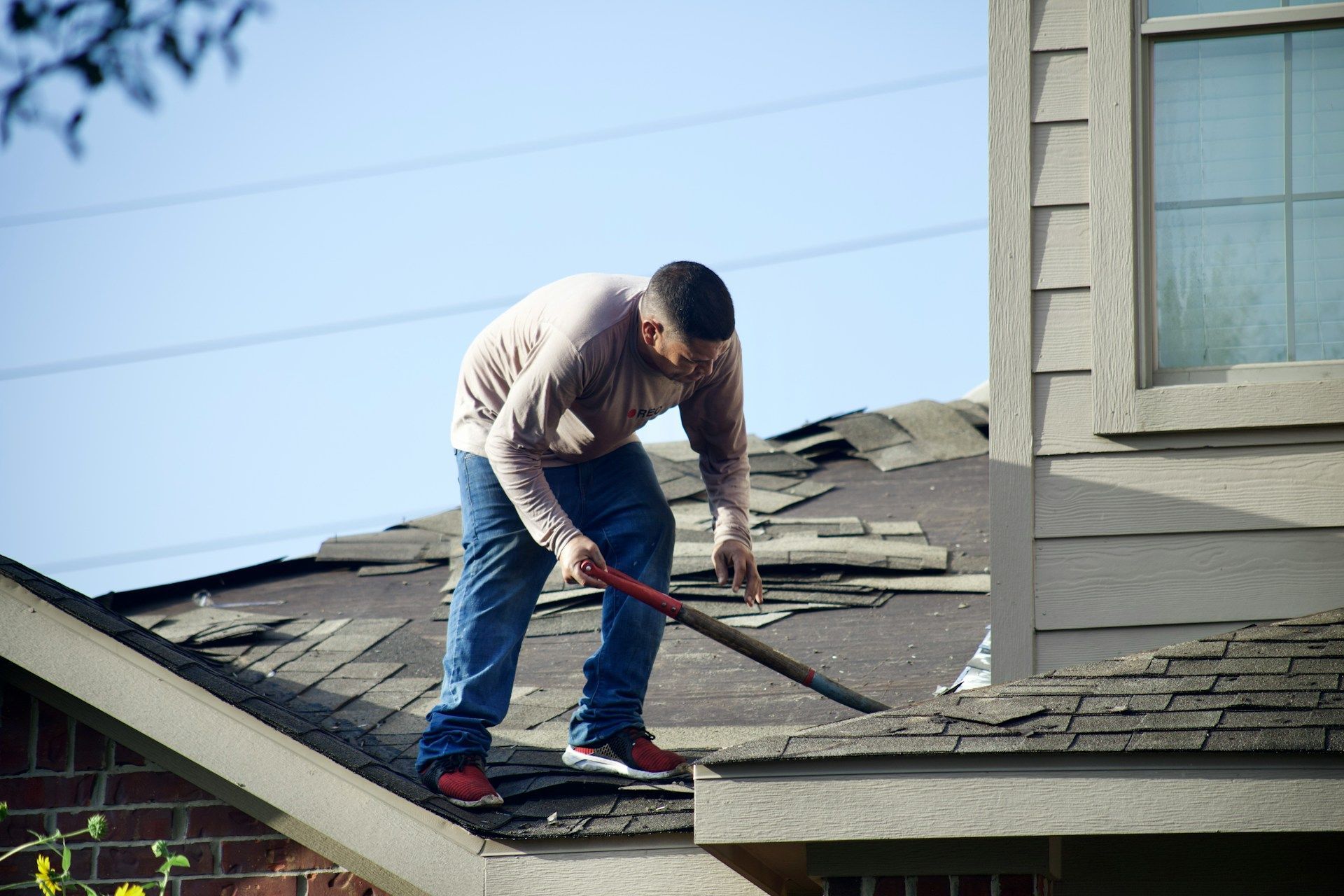
Small roof problems rarely stay small in Phoenix. Strong sun, monsoon moisture, high winds, and wide temperature changes can wear down shingles, tile underlayment, flashing, sealants, and flat roofing systems faster than many property owners expect. What looks fine from the ground may already be losing its ability to protect the building.
We often find that a roof near the end of its service life has hidden weak spots beneath the surface. A professional inspection helps us see whether a repair still makes sense or whether roof replacement in Phoenix is the safer long-term choice for your property and budget.
Water Damage Can Spread Far Beyond the Roof
A small leak can move through several layers before you ever notice a stain on the ceiling. Water may enter around damaged flashing, worn underlayment, cracked materials, or open seams, then travel into insulation, roof decking, walls, ceilings, electrical areas, and structural framing.
That small brown spot indoors is often only the visible part of the issue. By the time water reaches a living space or work area, it may have been collecting above the ceiling for some time.
Signs we recommend taking seriously include:
- Recurring leaks after rain or wind
- Ceiling stains, peeling paint, or soft drywall
- Damp attic insulation or musty odors
- Sagging roof areas or interior ceilings
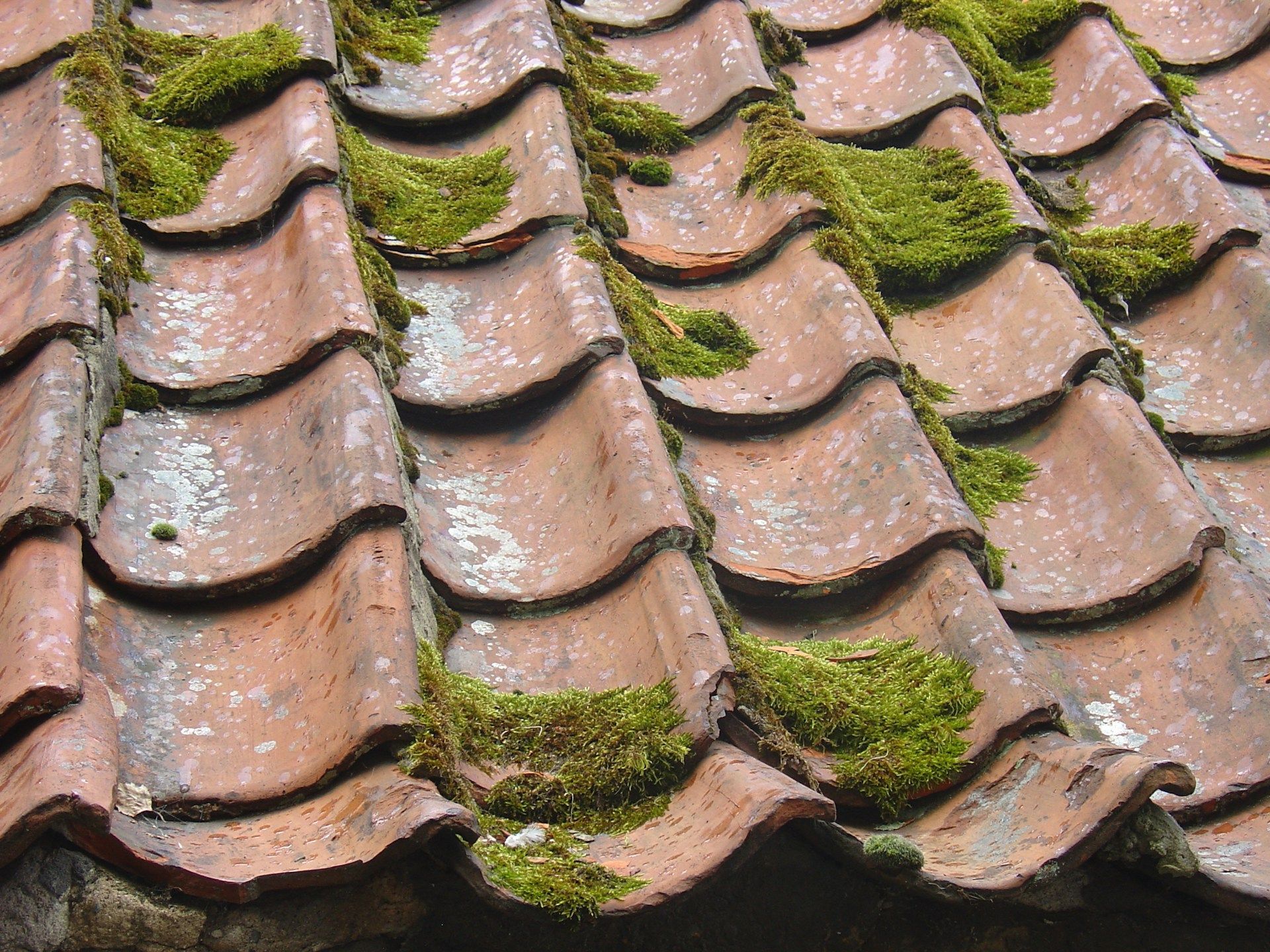
- Cracked, missing, or shifted roofing materials
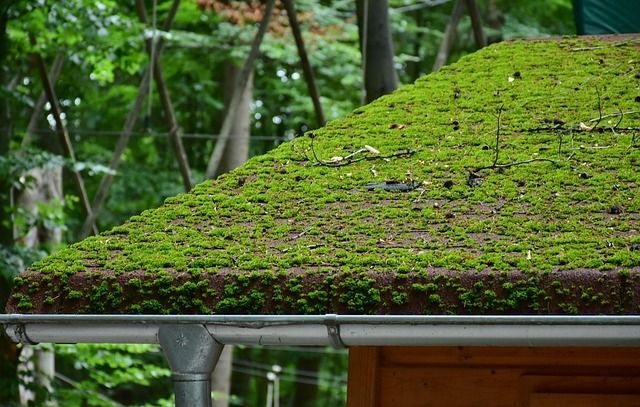
Moisture trapped in insulation or behind drywall can also lead to mold and mildew concerns. Then the project may involve more than roofing work. Interior repairs, damaged materials, cleanup, and disruptions to daily life or business operations can all follow.
Planning ahead matters most after a long hot season and monsoon storms. When we assess an aging roof before the next round of seasonal rainfall, we can help identify weak areas before they turn into after-hours emergencies. Acting early gives you more control over the condition of your building instead of reacting after water has already spread.
Phoenix Heat Wears Down Aging Roofs
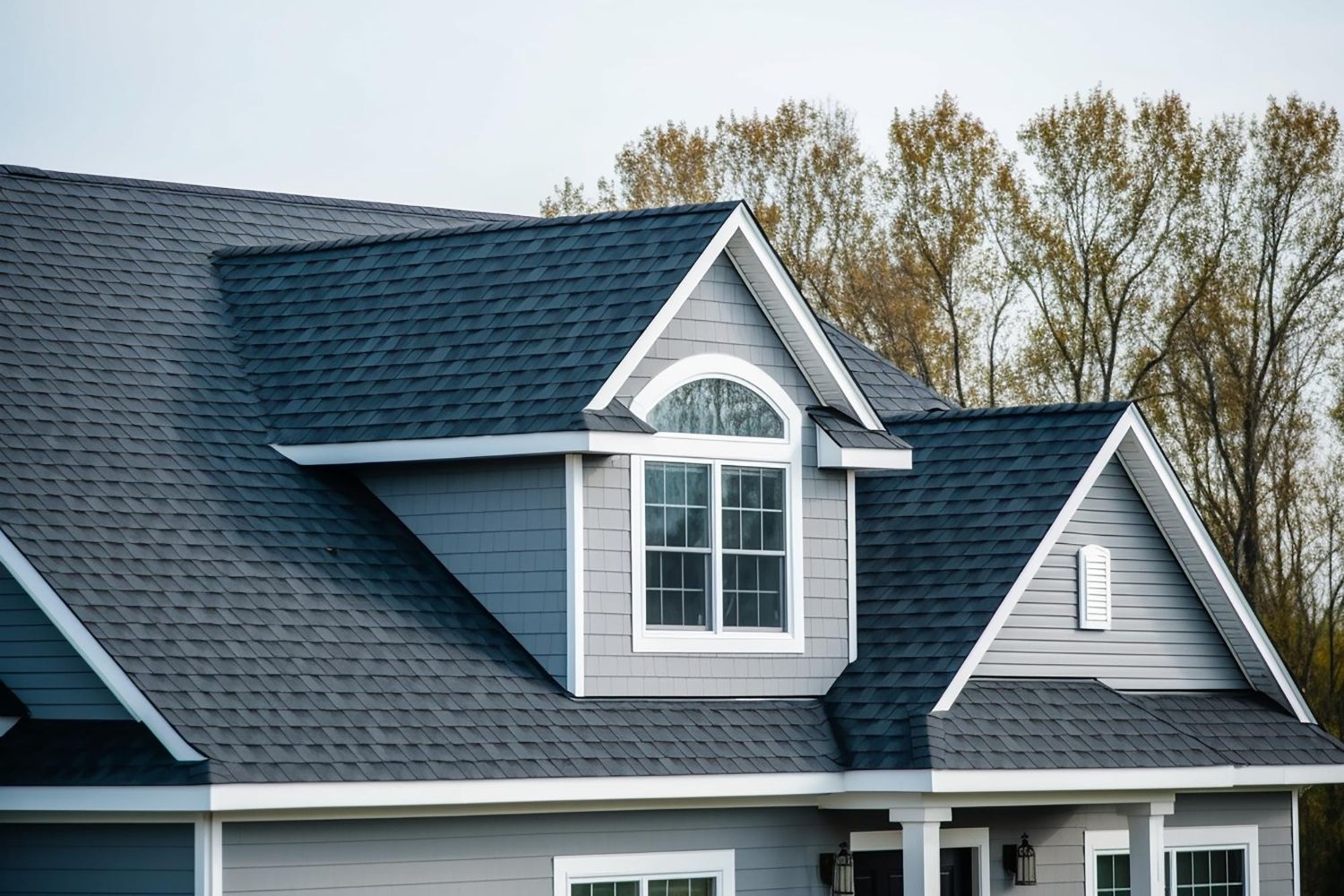
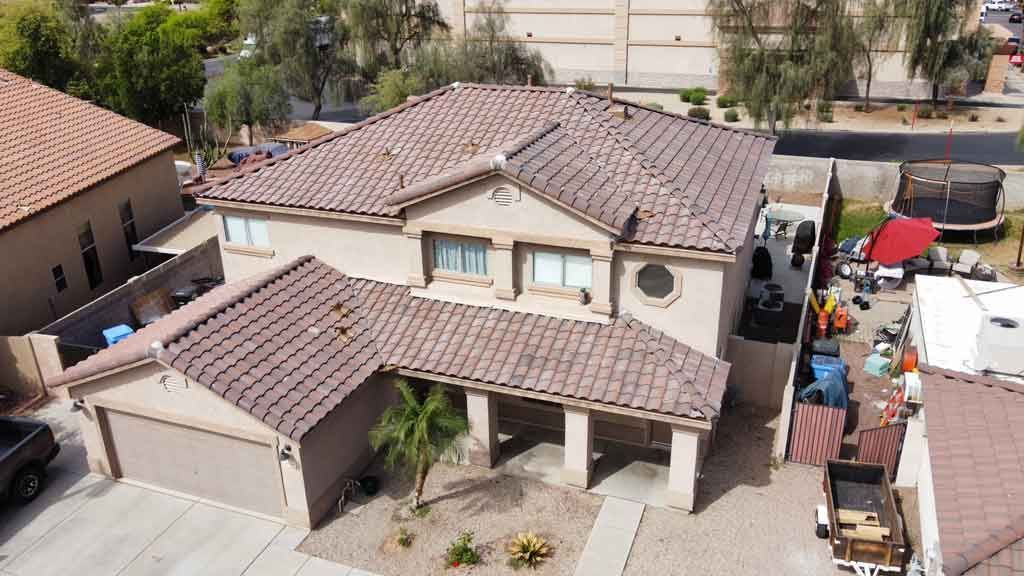
Phoenix heat does not need rain to cause roof damage. Prolonged direct sun and UV exposure can dry out, fade, crack, and weaken many common roofing materials. Asphalt shingles can become brittle, tile underlayment can deteriorate, and sealants around vents or flashing can lose their grip.
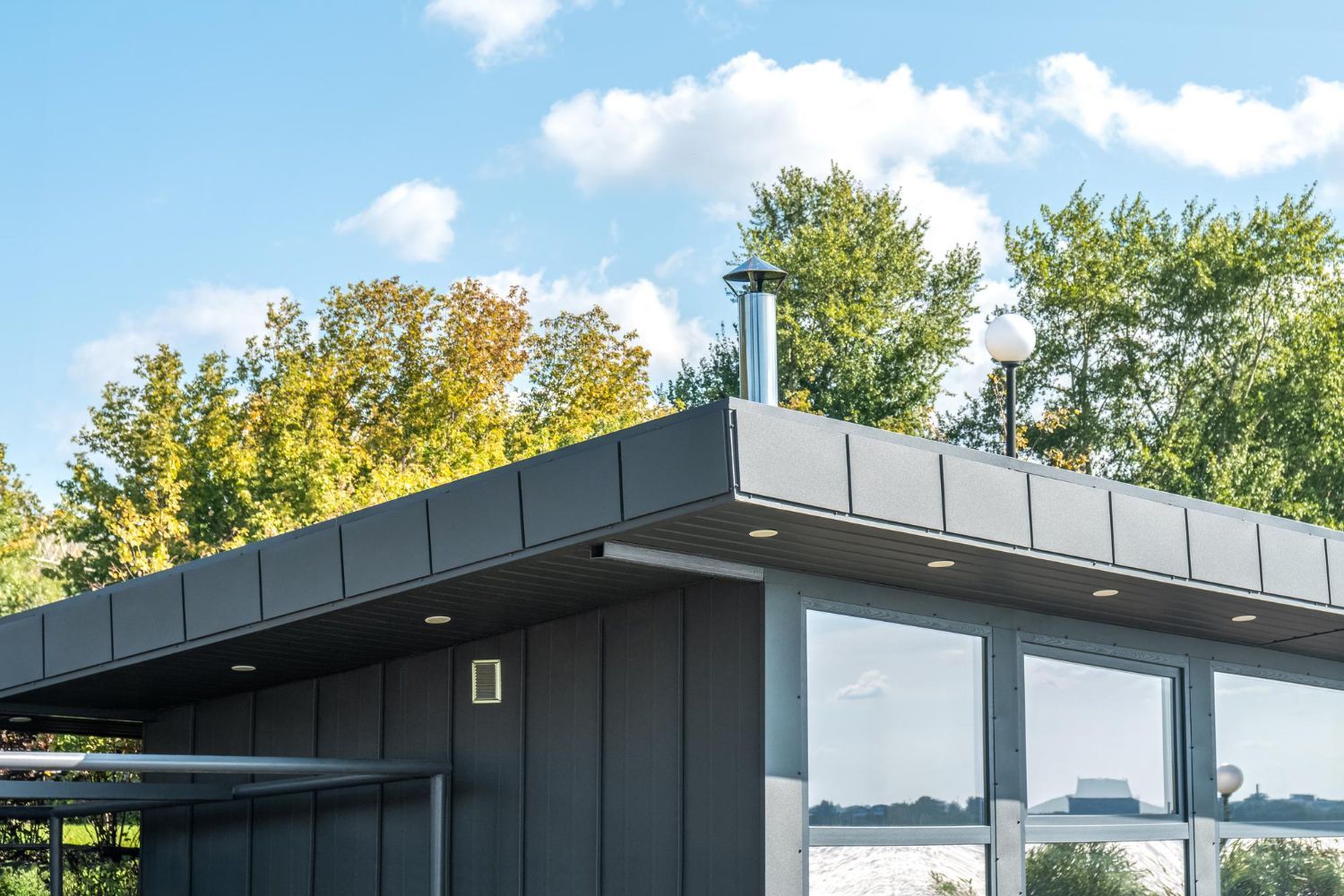
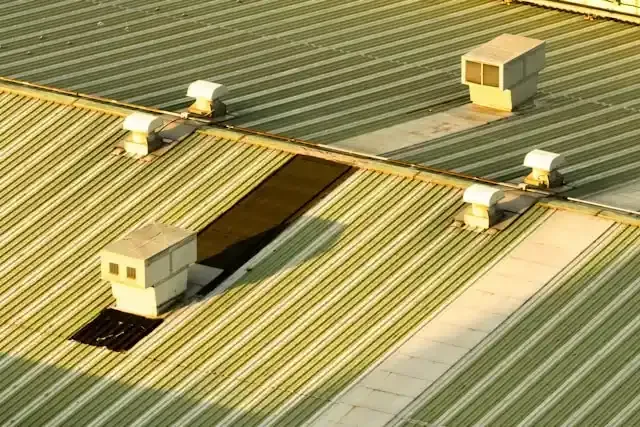
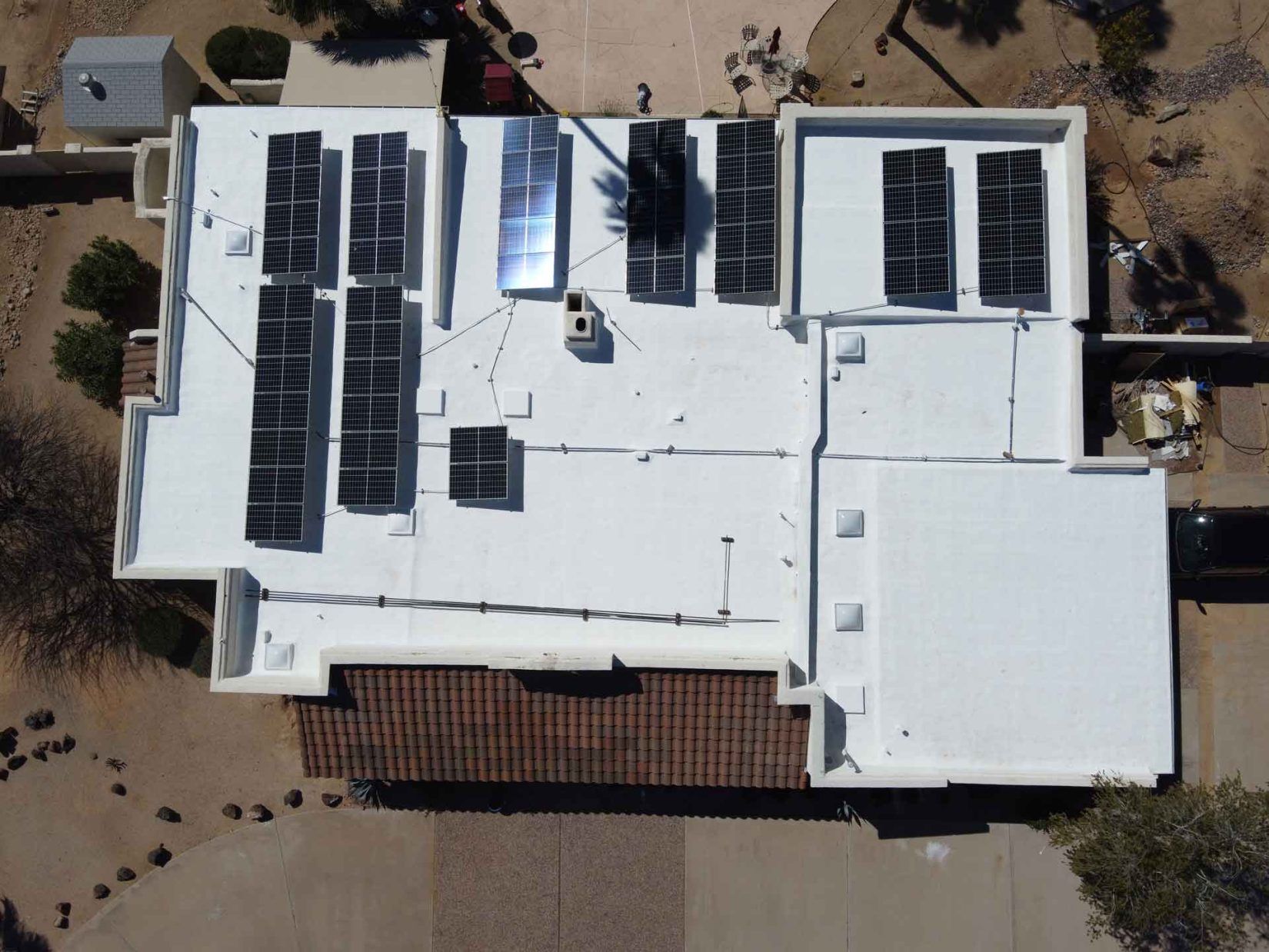
Flat roofing systems and foam roofs also need close attention. As materials age, heat can affect seams, coatings, penetrations, drainage areas, and other parts that help direct water away from the building.
Thermal movement is another concern. Roofing materials expand when temperatures climb, then contract as conditions change. Over time, that repeated movement can cause materials to shift, separate, crack, or pull away from areas that once shed water properly.
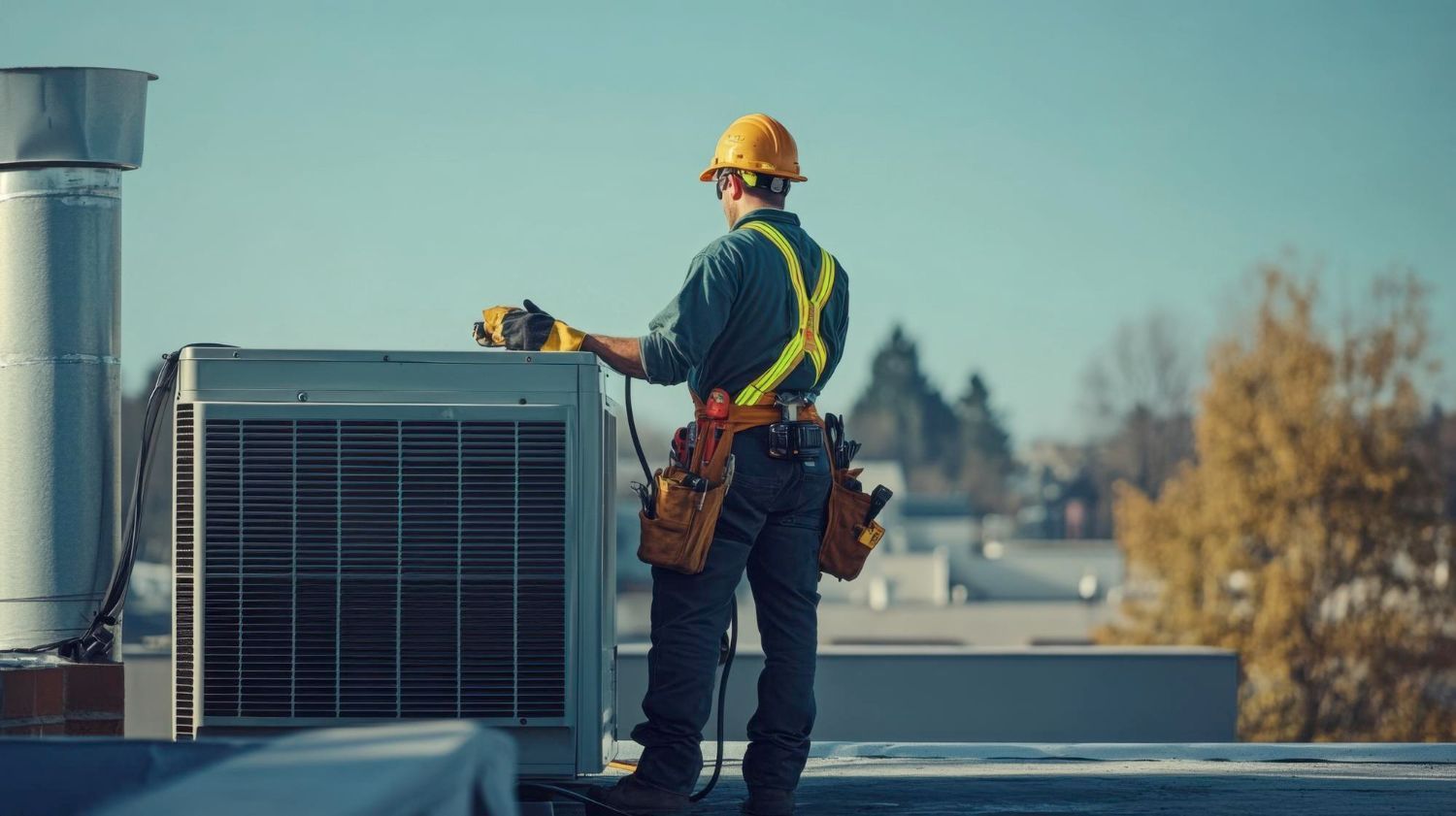
An aging roof can also affect indoor comfort. Damaged materials, weakened insulation, or ventilation concerns may allow more heat into the building. Your HVAC system then has to work harder to keep indoor spaces comfortable, which can lead to higher utility use over time.
After summer and monsoon season, we recommend having a professional inspect the roof for changes that may not be easy to see from the ground. Dry weather does not always mean a roof is healthy. In many cases, the sun has already done the damage, and the next rainstorm simply exposes it.
Delays Can Affect Energy Use and Insurance Claims
Putting off needed roofing work can create problems that reach beyond the roof itself. Heat transfer, air leakage, wet insulation, and damaged roof materials may make it harder to maintain comfortable indoor temperatures. For commercial and industrial buildings, even a small efficiency issue can affect daily operating expenses over time.
Insurance can add another layer of concern. Storm damage and sudden events may be handled differently than deterioration tied to long-term wear or deferred maintenance. We cannot predict how an individual claim will be handled, but keeping clear records gives you a better starting point when covered damage occurs.
Helpful documentation may include:
- Inspection reports and maintenance notes
- Photos taken after storms or visible damage
- Repair recommendations and work records
- Dates of leaks, interior damage, or service calls
- Records of prior insurance claim activity, when applicable
These details can also help you make a clearer repair-versus-replacement decision. A roof that needs repeated temporary fixes may create more disruption than a planned replacement. For businesses, that can mean tenant complaints, work interruptions, emergency service calls, and scheduling headaches during severe weather.
When we inspect a property, we look at the overall condition of the roofing system, not just the most obvious damaged spot. That broader view can help you understand whether the issue is isolated or part of a larger pattern of aging.
Plan Roof Replacement in Phoenix Before Fall Storms
Late summer and early fall are practical times to evaluate roof conditions in Phoenix. By this point, the roof has already faced months of intense sun and may have been tested by monsoon rain and wind. An inspection can reveal whether materials remain secure, drainage areas are working, and previous repairs are still holding up.
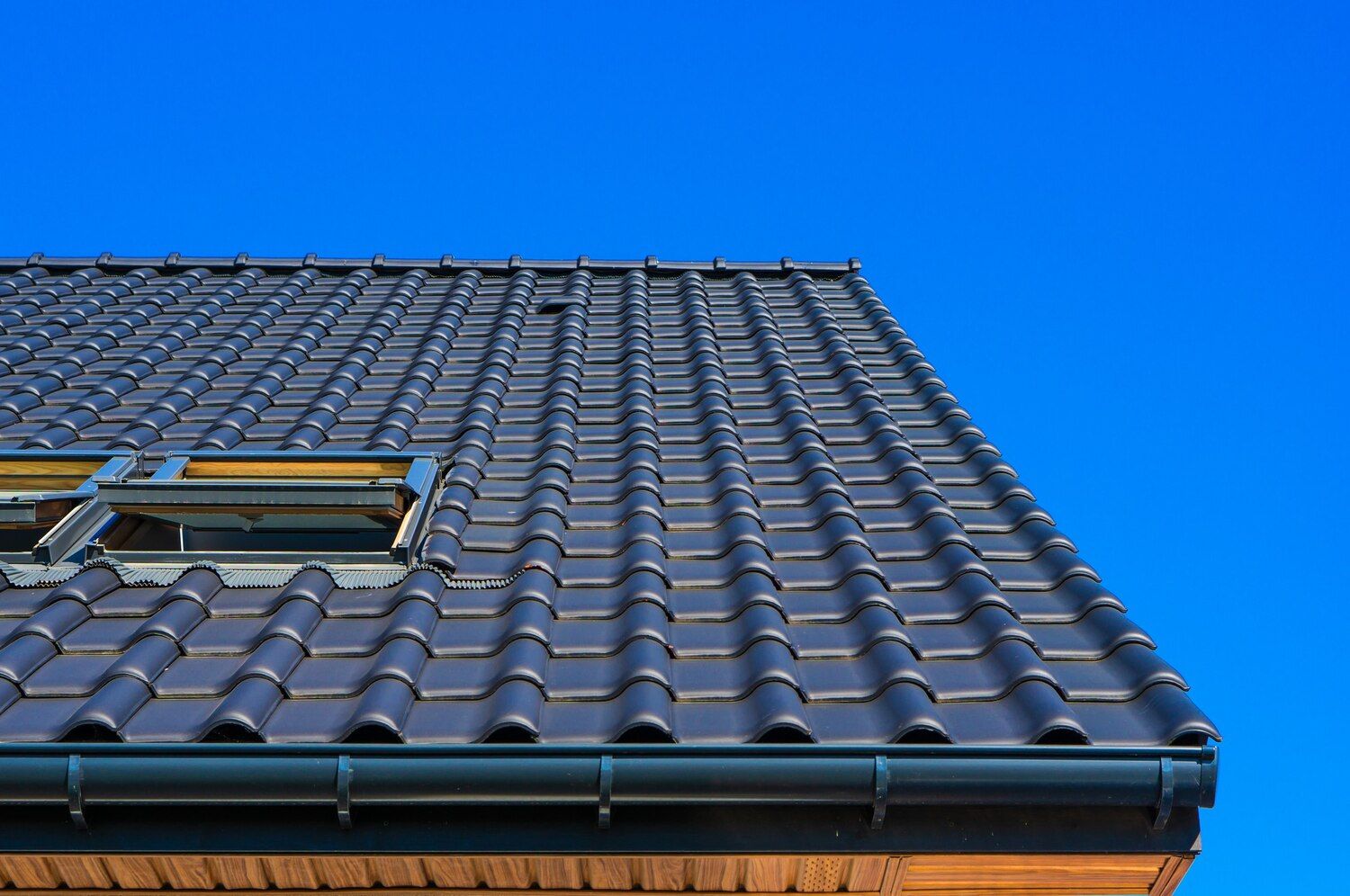
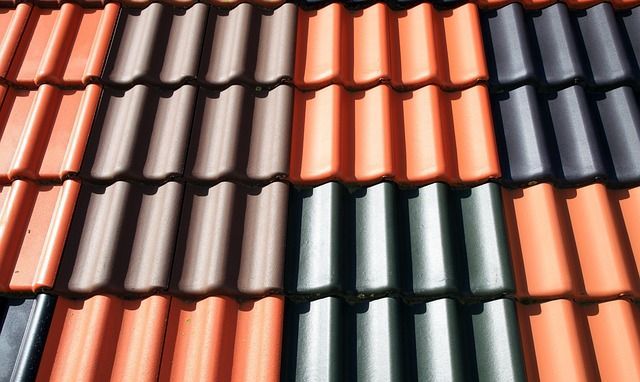
Planning roof replacement in Phoenix before problems become urgent gives you time to make informed choices. Instead of making rushed decisions after a leak, you can review suitable materials, expected service life, warranty options, project timing, and the needs of your building.
Every roof has different demands. A residential roof may need to balance appearance, drainage, and long-term protection. Commercial and industrial roofs often require added attention to foot traffic, equipment penetrations, drainage paths, building use, and energy goals.
Questions worth asking during an assessment include:
- What is the condition of the roofing materials beneath the surface?
- Are repairs likely to hold, or is the system nearing the end of its service life?
- What replacement approach fits this roof type and building use?
- How might the work affect normal household or business activity?
- Is insurance claim assistance appropriate for storm-related damage?
A planned project gives us the chance to assess the full picture and recommend an approach based on Arizona conditions, rather than simply responding to the latest leak.
Schedule a Roof Inspection Before Costs Climb
Waiting for obvious damage can leave you with fewer options and more repairs to manage. A professional inspection can identify warning signs such as worn underlayment, damaged flashing, cracked materials, soft decking, poor drainage, or moisture that has not yet reached the interior.
Replacing an aging roof before major damage develops can protect the building, reduce surprise expenses, support better energy performance, and bring greater peace of mind as Arizona weather changes.
Protect Your Property With a Clear Plan
Prowest Roofing can assess your roof’s condition and explain the options that fit your property’s needs. Get professional guidance for
roof replacement in Phoenix and move forward with a solution built for long-term performance. Our team is ready to help you understand the next steps and make an informed decision.