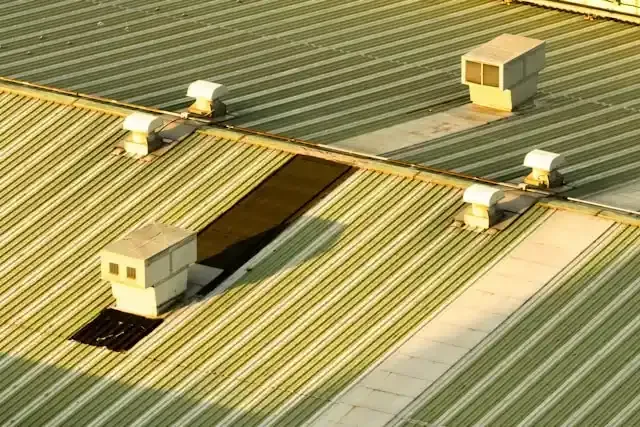
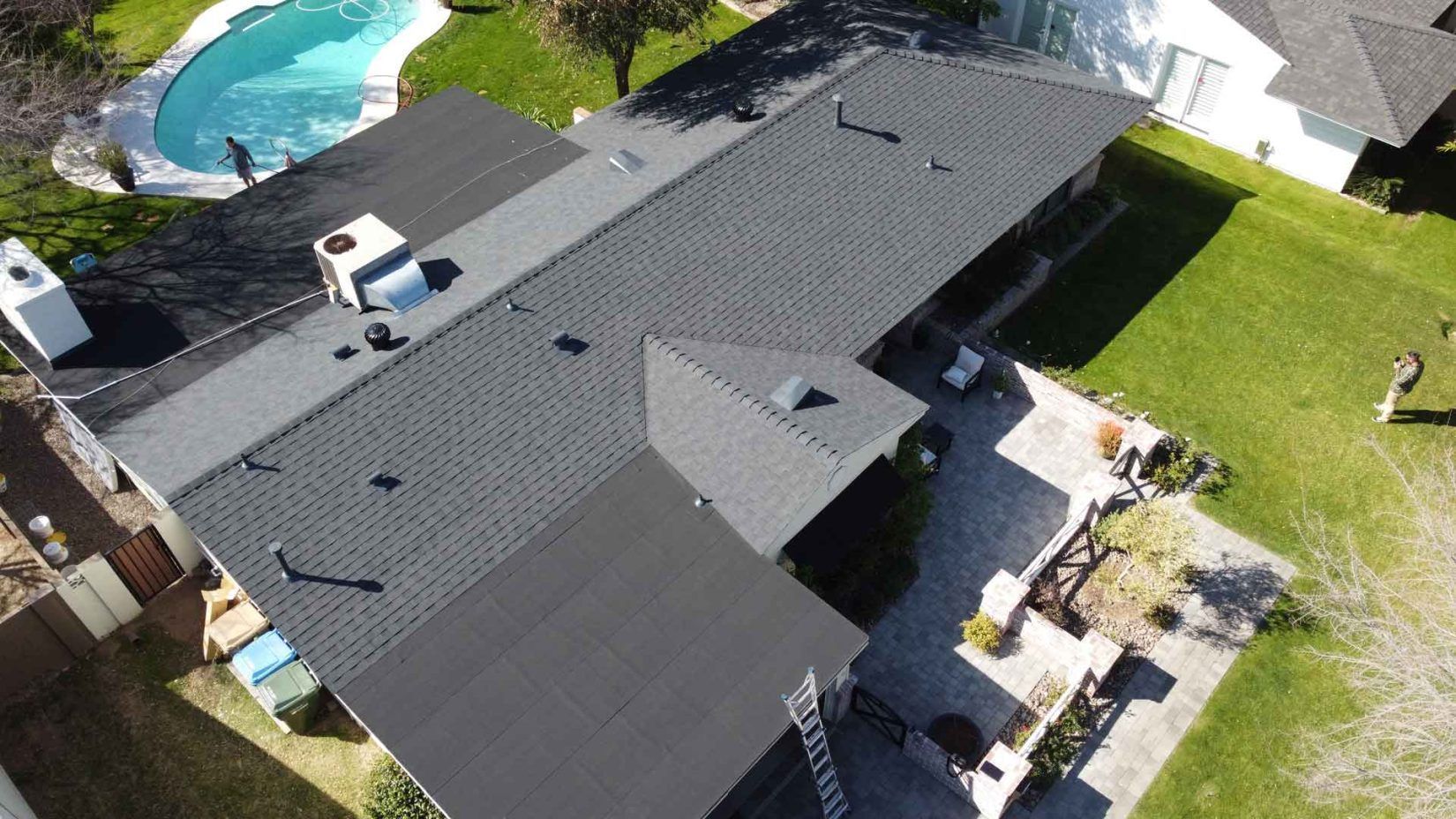
Rooftop HVAC units can turn a small roof weakness into recurring commercial roof leaks. The unit itself may be working properly, while water enters where its curb, lines, drains, or supports meet the roof. We help property managers look beyond the ceiling stain so the real moisture path can be found and addressed.
Arizona heat, seasonal monsoon rain, wind-driven moisture, and sharp temperature swings can all put added stress on these roof details. Below, we explain how penetrations, condensate, service traffic, vibration, and weather exposure can cause repeat leak problems around rooftop equipment.
Stop Small HVAC Roof Leaks Before They Disrupt Operations
A water spot inside your building does not always sit directly below the roof opening that caused it. Water can move beneath the roof membrane, through insulation, or along structural components before it becomes visible. That is why patching the interior stain or sealing one small spot on the roof may not stop the leak from returning.
When we assess commercial roof leaks near HVAC equipment, we look at the full area around the unit, not just the most obvious wet spot. A thorough review may include:
- The HVAC curb and its flashing
- Refrigerant lines, electrical conduits, and drain connections
- Nearby roof seams and membrane condition
- Water flow, roof slope, and drainage paths
Regular roof inspections paired with coordinated HVAC maintenance can help catch weak details before a leak affects insulation, decking, interior finishes, or daily operations.
HVAC Roof Penetrations Create Vulnerable Leak Paths
Every rooftop HVAC unit needs a way to connect to the building below. Curbs, ductwork, electrical lines, refrigerant piping, drains, and other components pass through or attach to the roof system. Each connection interrupts what should otherwise be a continuous water-shedding surface.
For water to stay out, these openings need properly installed flashing and sealants that direct moisture away from the penetration. Over time, sealants can dry out or crack. Flashing can loosen, and membrane details can separate from the curb or nearby surface. Even a small gap can allow rainwater beneath the roofing materials.
The visible leak may show up far from the actual source. Moisture can travel through roof layers before reaching the ceiling, especially when it follows a seam, low point, or structural path. Instead of treating only the visible opening, we recommend evaluating the entire penetration detail, the surrounding membrane, the equipment curb, and the way water moves across that part of the roof.
Condensate and Ponding Keep Roofing Materials Wet
HVAC systems produce condensate during normal operation. When a condensate line is clogged, disconnected, poorly routed, or draining onto the roof without a clear path away, the area around the unit may stay wet for long periods.
That steady moisture can make it harder for roofing materials to dry between rain events. It can also expose seams, flashing, and membrane details to repeated wet conditions. After late-summer monsoon rainfall, ponding near rooftop equipment can add even more water to an already vulnerable area.
Moisture near an HVAC unit may come from more than one source. We encourage you to consider whether the water appears after rain, during heavy HVAC use, or both. A professional assessment can help separate several possible causes:
- Rain entering through flashing, seams, or penetrations
- Condensate draining onto the roof surface
- Blocked drains, scuppers, or gutters
- Low spots that allow water to collect near the equipment
Finding the source matters because a drainage issue and a failed roof detail can look very similar from inside the building.
Vibration and Service Traffic Can Break Watertight Seals
Operating HVAC equipment creates movement over time. That vibration can place stress on unit curbs, supports, piping connections, and flashing details. Materials that have aged, lost flexibility, or were not designed to handle ongoing movement may crack, separate, or pull away from the roof surface.
Routine HVAC service can also affect the area around a unit. Technicians need room to walk, carry tools, place ladders, and access panels. Without proper walk pads and careful roof-access practices, repeated foot traffic can scuff the membrane, weaken seams, or puncture roofing materials near the equipment.
A recurring leak should prompt a review of both the roof condition and the maintenance activity around the unit. We recommend coordination between the roofing and HVAC teams whenever work could disturb flashing, sealants, drain lines, or nearby membrane details. After equipment service, the surrounding roof area should be checked for anything that may have shifted or been damaged.
Arizona Weather Can Expose Hidden HVAC Roof Defects
Arizona’s long periods of intense sun and heat can speed up wear around rooftop equipment. As surfaces heat up and cool down, curbs, flashing, sealants, and roof membranes can expand and contract at different rates. Over time, that movement may create cracks, separation, or weak points where water can enter.
Early fall can also bring lingering monsoon conditions, including heavy rain, wind-driven moisture, and debris on the roof. A detail that seems fine during dry weather may leak when rain is pushed sideways against a curb or when debris slows drainage near a unit.
Keeping a simple record can help us trace a recurring pattern. Note when the leak appears, whether the HVAC system was running heavily, what the weather was like, and where moisture showed up indoors. Those details can help narrow the search for the true entry point instead of treating each new stain as a separate problem.
Coordinate a Roof and HVAC Leak Assessment
When a leak returns near rooftop HVAC equipment, waiting for the next storm can allow hidden moisture to spread through insulation, decking, and interior materials. We recommend a professional roof inspection that reviews the HVAC curb, penetrations, flashing, membrane seams, drainage conditions, and the roof surface around the equipment. The goal is to consider HVAC-related causes without assuming the unit is automatically the only source.
The most useful next step is to document leak patterns and have the roof and HVAC areas evaluated together. A clear view of how water, equipment movement, drainage, and weather exposure interact can help prevent the same commercial roof leak from disrupting your property again.
Protect Your Roof From Repeat Leaks
Prowest Roofing can help identify the roofing and HVAC conditions contributing to recurring water intrusion. Get professional support for
commercial roof leaks with an assessment focused on practical repairs and long-term protection. Our team will help you prioritize the work needed to keep your facility operating reliably.