Roof valleys deserve close attention because they guide water from two roof slopes into one narrow path. When a small problem develops there, water can move beneath the roof covering, affect underlying materials, and eventually show up inside your property.
At Prowest Roofing, we often see roof valley leaks become noticeable after Arizona’s seasonal rain and wind-driven storms. Debris, aging materials, damaged flashing, and worn underlayment can all turn a busy drainage channel into a weak spot, even when the rest of the roof looks fine from the ground.
Roof Valley Leaks Start Where Water Converges
A roof valley is not just another section of roofing. It carries runoff from two separate roof planes, which means more water is moving through a smaller area. During a heavy storm, that concentrated flow can quickly test every part of the valley, including the roofing material, metal components, fasteners, sealants, and protective layer beneath the surface.
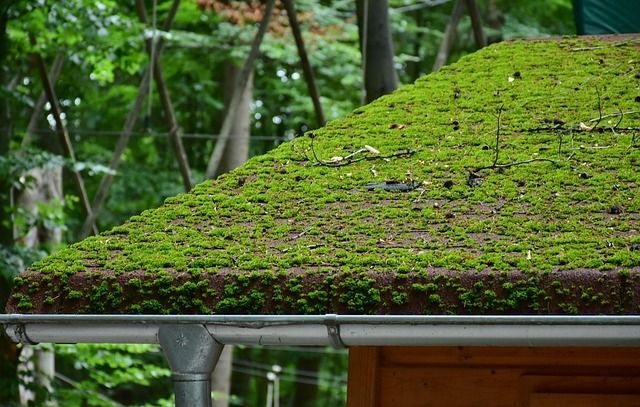
Debris makes the situation worse. Leaves, dirt, small branches, and loose roofing granules can settle in the valley and slow the path of water. Instead of flowing freely toward a gutter or lower roof section, water may pool around seams and edges. Trapped moisture can wear down materials over time and make a small opening more likely to become a leak.
We commonly look for problems such as:
- Debris blocking drainage paths
- Worn, bent, or damaged valley flashing
- Cracked shingles or displaced tiles
- Loose fasteners or failing sealant
- Underlayment that is no longer protecting the roof deck
Not every valley issue is visible from the ground. Water can enter beneath the roof covering long before a ceiling stain appears. That is why we recommend having suspected roof valley leaks evaluated before water has a chance to travel farther through the roof system.
Shingle Roof Valleys Can Fail Before Other Roof Areas
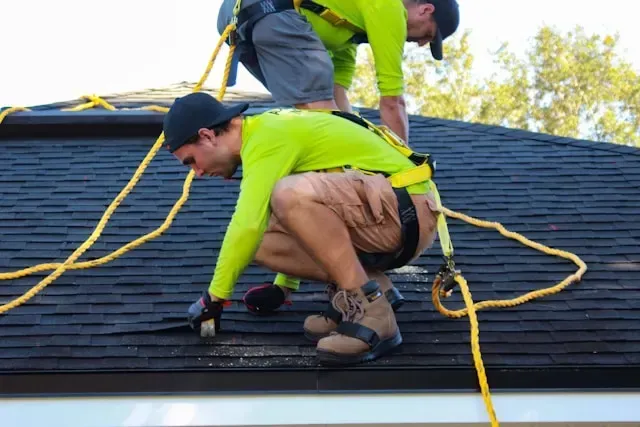
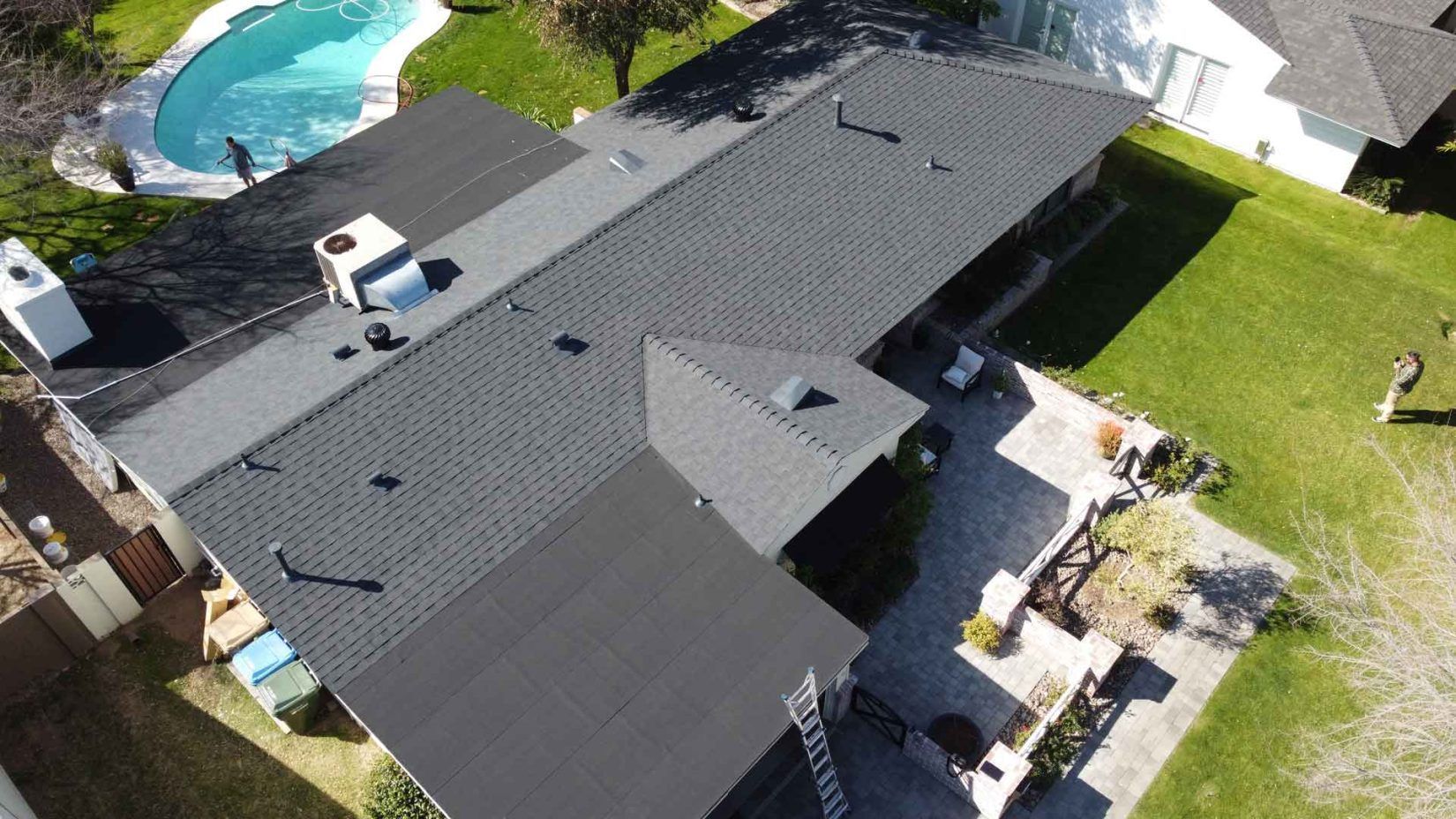
Shingle roof valleys can be installed in different ways based on the roof design, but every method has the same job: move water away while keeping the layers beneath the shingles protected. Since valleys handle more runoff than most other roof areas, shingles there may wear sooner than shingles on broad, open roof slopes.
A close inspection may reveal warning signs that should not be ignored. Missing or cracked shingles can leave the valley exposed. Lifted edges may allow water to move beneath the shingle layer. Exposed fasteners, worn granules, deteriorated flashing, and debris buildup can also point to a drainage or material concern.
Some of the signs we watch for include:
- Shingles that are cracked, curled, lifted, or missing
- Granules collecting in the valley or gutter area
- Metal flashing that appears loose, rusted, or bent
- Sealant that has dried out or separated
- Water marks near the ceiling below a valley
Repair needs can range from replacing a small damaged area to addressing a larger section of the valley and nearby shingles. The right approach depends on the condition of the surrounding materials, not just the most visible spot. Surface sealant may seem like a quick answer, but it may not solve a drainage issue or a problem beneath the shingles.
Tile Roof Valleys Rely on Sound Underlayment
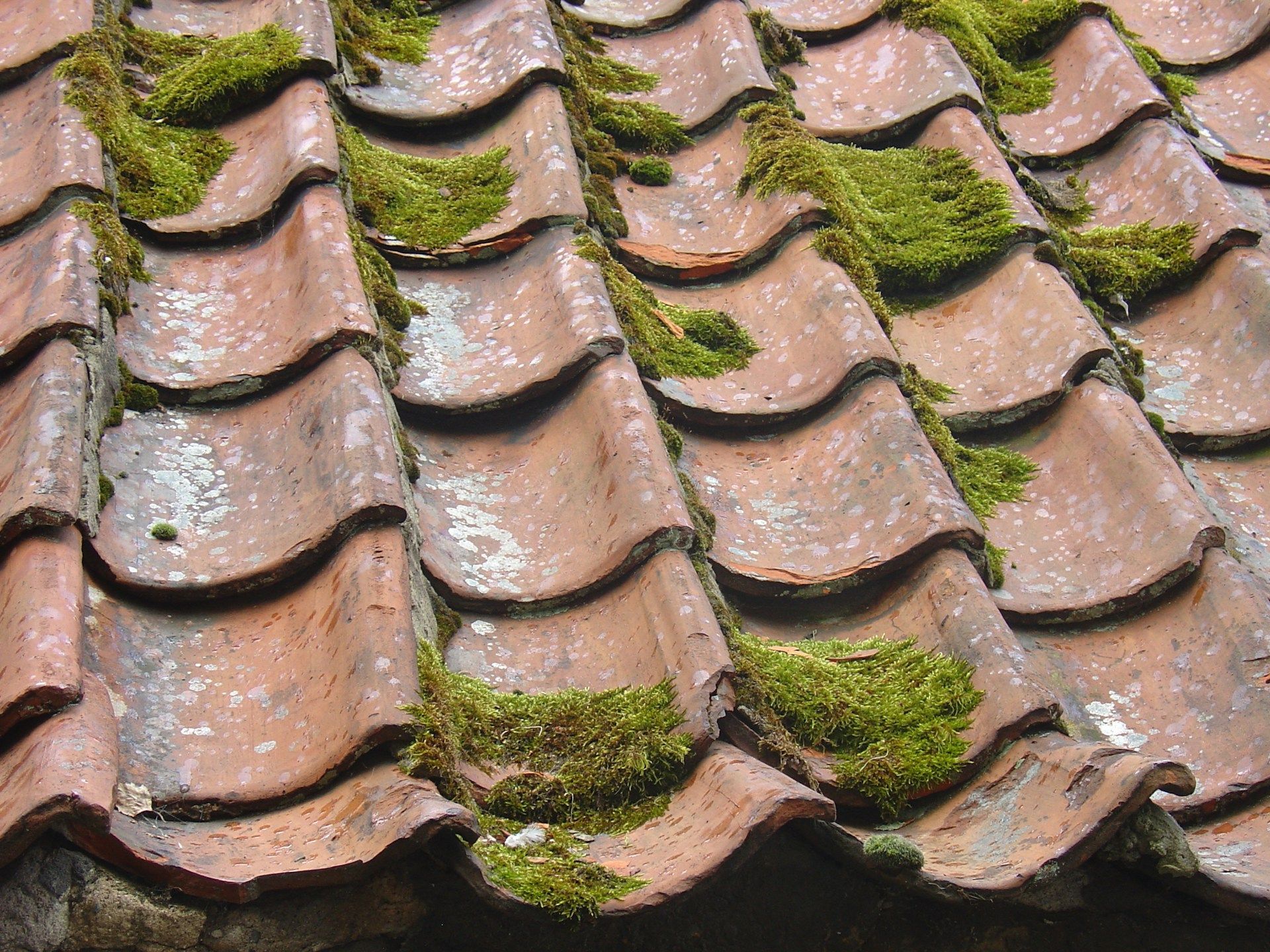
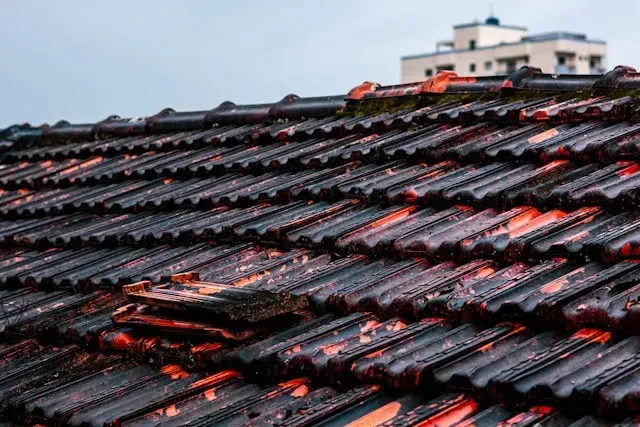
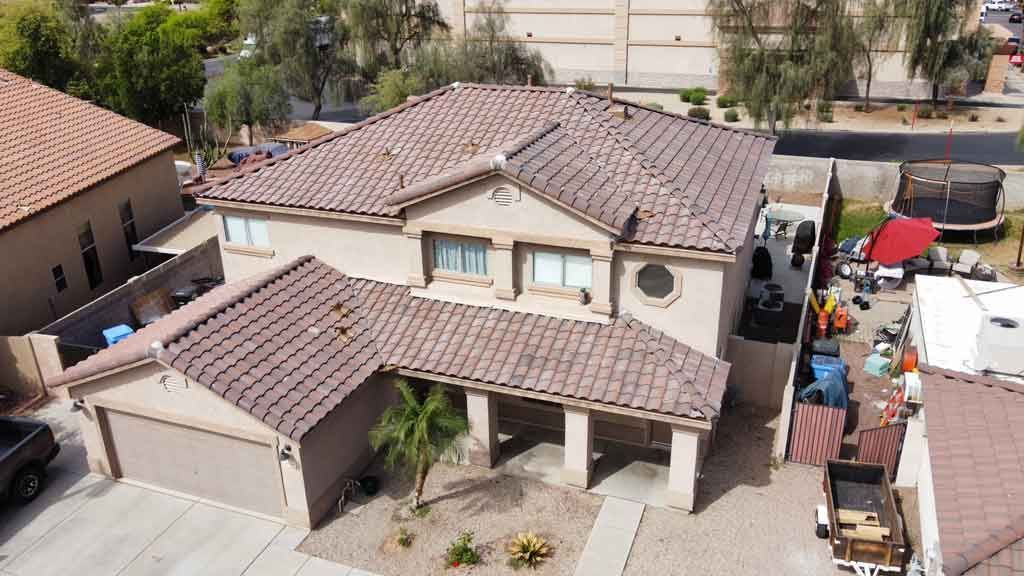
Tile roofs shed water well, but the tiles are only one part of the roof system. Underneath and around the tile, the underlayment and valley components help protect the roof structure from moisture. When a tile is cracked, broken, missing, or shifted out of place, water and debris can reach areas that were meant to stay covered.
Tile valleys can be especially hard to assess from the ground. Leaves and dirt may collect between tiles, while valley metal may be hidden from view. Underlayment deterioration is often not obvious until water has already found a path inward. A roof may look orderly from the street while a concealed valley issue is developing below the tile surface.
Careful inspection matters when tiles are loose or damaged, or when you notice water stains near a roof valley area. Tile handling takes care and experience because improper walking or work can crack additional tiles or disturb surrounding materials. We recommend professional evaluation so the valley, tiles, flashing, and protective layers can be reviewed together instead of treating one visible tile as the entire problem.
Arizona Storms Can Expose Roof Valley Leaks Quickly
The end of the summer monsoon season is a smart time to watch for storm-related valley concerns before the calendar moves deeper into fall. Heavy rain can overwhelm a valley that is already clogged with debris. Strong wind can push leaves and branches into drainage paths, shift roofing materials, or expose a weak edge that had not caused obvious trouble during dry weather.
Repeated weather exposure can make a small weakness easier to spot. A valley may handle light rain without issue but leak during a harder downpour when water volume rises. Sun exposure can also age roofing materials over time, leaving flashing, shingles, tiles, or sealants less able to direct water where it needs to go.
After a storm, we suggest watching for:
- Water stains on ceilings or walls
- Damp areas in an attic or upper storage space
- Visible debris sitting in roof valleys
- Missing shingles, broken tiles, or shifted materials
- Water flowing in an unexpected direction near the roofline
Early inspection can help locate the source before moisture affects more of the roof assembly or interior finishes. Waiting for the next storm to “test” the roof may allow a manageable concern to spread.
Schedule a Valley Inspection Before Damage Spreads
Roof valleys are high-priority areas because several materials must work together while managing concentrated water flow. Shingle roofs may show wear through damaged shingles or exposed flashing, while tile roofs can hide trouble beneath the surface. In either case, clear drainage and sound protective materials make a major difference.
When roof valley leaks are suspected, we can inspect the area, review maintenance needs, assess repair concerns, and provide insurance inspection support when appropriate. Residential, commercial, and industrial properties can all benefit from identifying valley trouble while it is still limited to the roof.
A valley that drains properly is far less likely to send water into places it does not belong. Paying attention to debris, damaged materials, and signs of moisture after storms can help you address the real source of a leak before interior damage spreads.
Protect Your Roof Before Leaks Worsen
If you are concerned about
roof valley leaks, Prowest Roofing can assess the condition of your shingles, tiles, and valley materials. Our team identifies problem areas and recommends practical repairs that support lasting roof performance. Let us help you protect your home with knowledgeable residential roofing service.