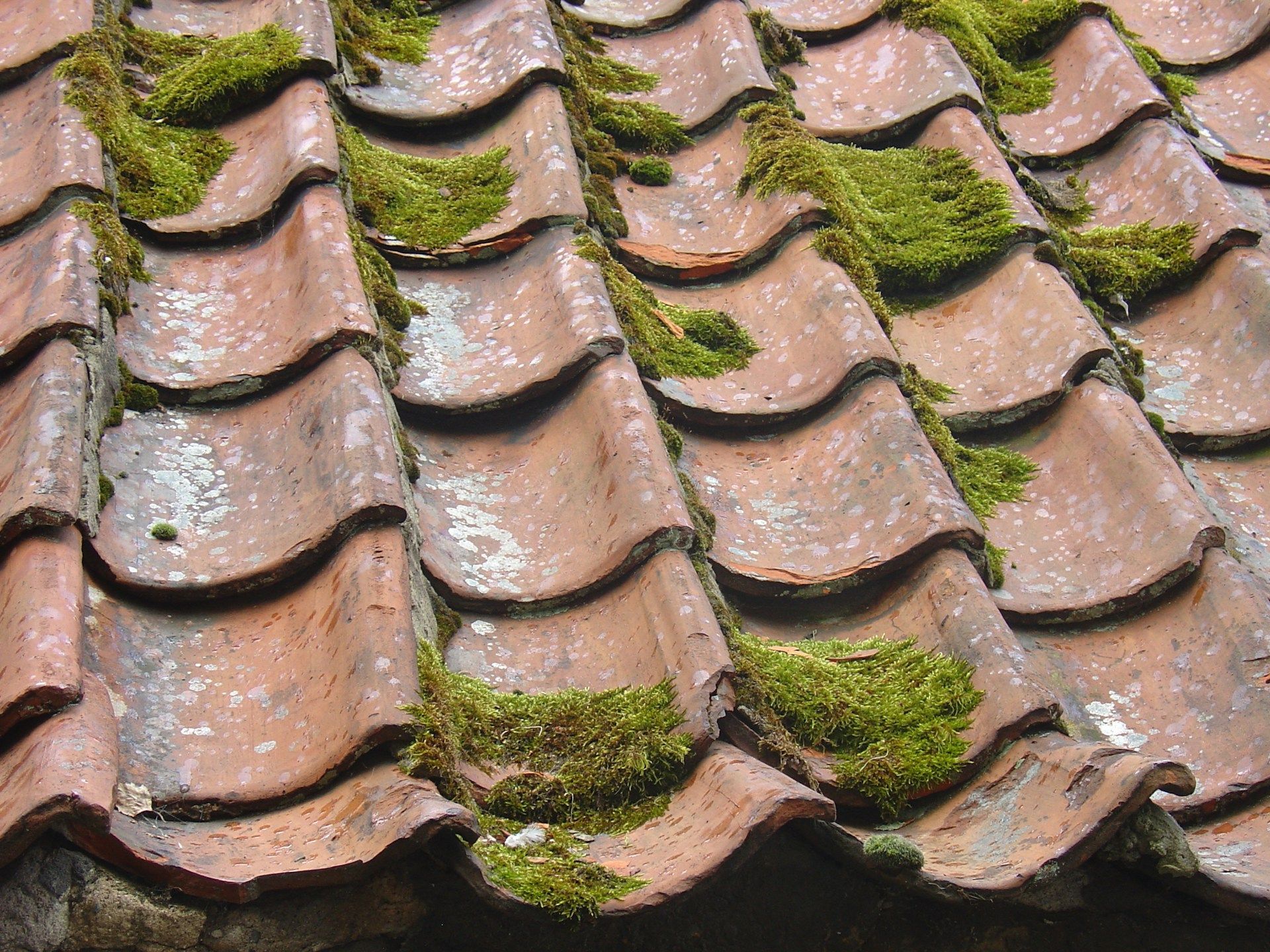
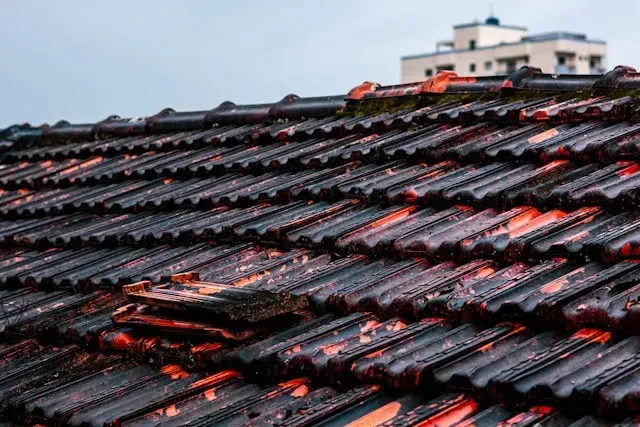
Cracked roof tiles can look like a small surface problem, but they may allow water to move into parts of the roof you cannot see. Because tile roofs are layered systems, moisture can travel beneath a damaged tile before it creates an obvious stain inside.
We often find that a roof can appear mostly intact from the ground while water is already reaching the materials below the tiles. Acting when damage is first noticed gives us a better chance to address the source before moisture spreads.
Small Tile Damage Can Affect the Layers Below
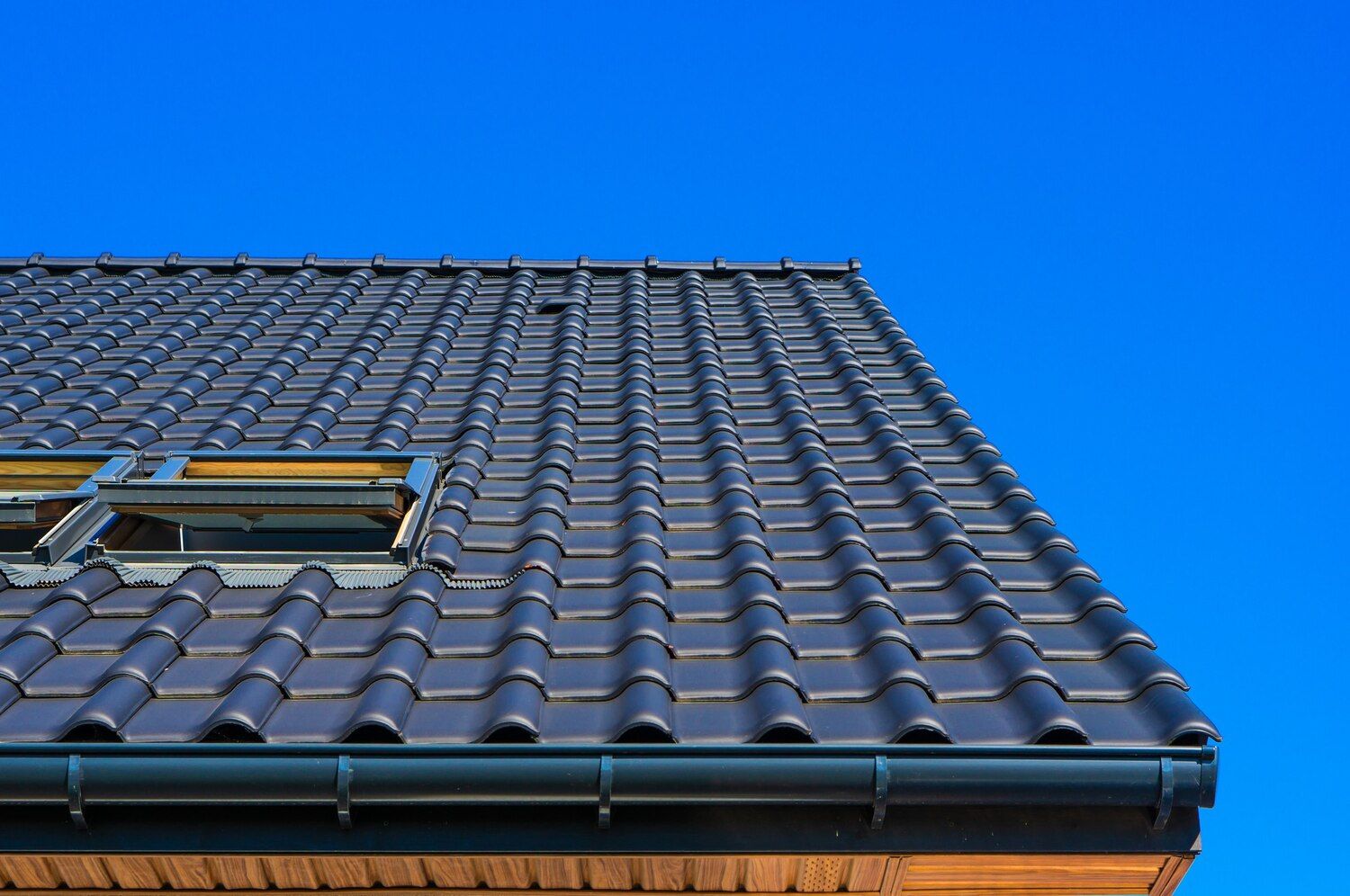
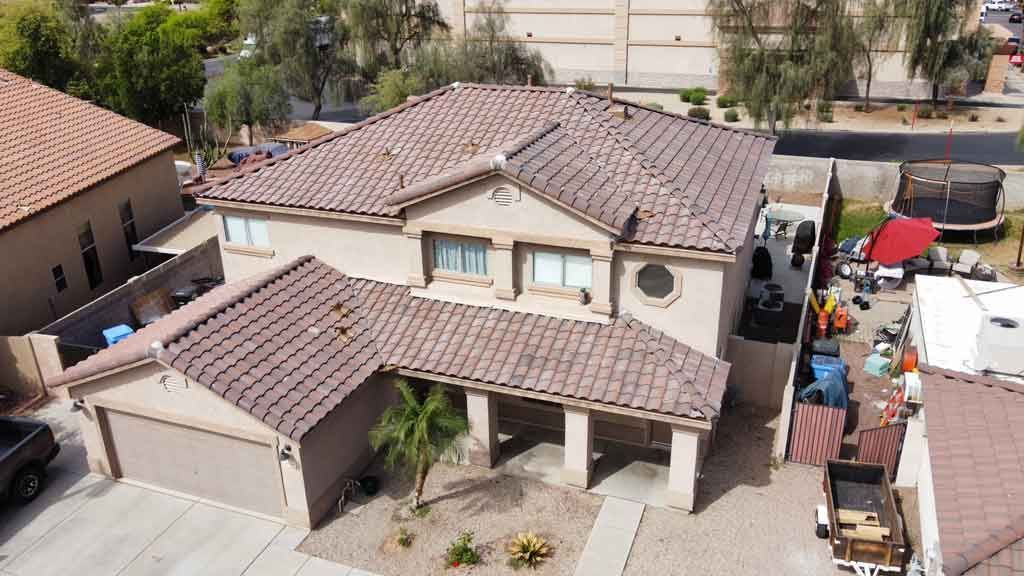
Roof tiles are made to shed water away from the roof. When a tile is cracked, chipped, or out of place, it may no longer guide rainwater where it belongs. Water can slip through the damaged area and reach the underlayment, flashing, decking, or other parts of the roof system.
One cracked tile may not seem urgent, especially if there are no visible ceiling stains. Still, a damaged tile can create an opening that is exposed each time it rains or wind pushes moisture across the roof. The leak may stay hidden for a while, slowly affecting materials beneath the surface.
Underlayment acts as a secondary barrier under the tiles. It is not meant to receive repeated, direct exposure to rain and debris through broken tiles. Over time, that added exposure can wear down the underlayment and make it easier for water to move farther into the roof.
A cracked tile does not always cause an immediate indoor leak. That delay is one reason we recommend having tile damage inspected rather than waiting for signs inside the building.
Arizona Weather Can Worsen Existing Tile Cracks
Arizona roofs face intense sun, high heat, changing temperatures, strong winds, and seasonal storm activity. These conditions can put ongoing stress on roofing materials, including tile. A small crack can become more noticeable after repeated exposure to heat and weather.
Late-summer and early-fall storms deserve particular attention. Wind-driven rain can move beneath cracked or displaced tiles in ways that ordinary rainfall may not. Debris can also collect around damaged areas, holding moisture where it should be able to drain away.
After severe weather, we suggest watching for signs that the roof may have changed. From a safe viewing point, you may notice tiles that look uneven, missing, shifted, or visibly damaged. A professional inspection is the safest way to understand what is happening on the roof without causing more breakage by walking on the tiles.
Conditions worth having inspected include:
- Cracked, chipped, or broken roof tiles
- Tiles that appear lifted, shifted, or missing
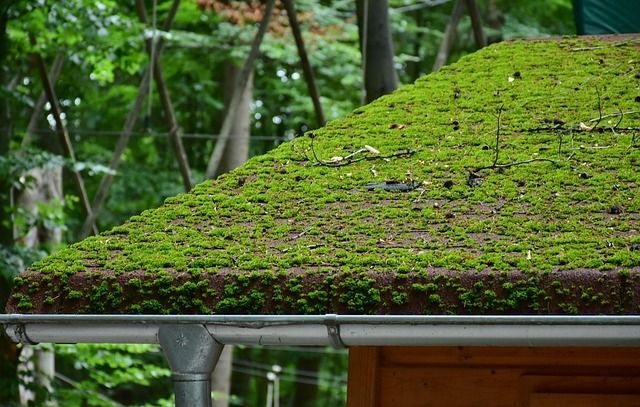
- Debris gathered in roof valleys or near drainage areas
- Recent wind-driven rain or monsoon-season storms
- New signs of moisture in attic or interior spaces
Hidden Leaks Can Cause Damage Beyond the Roof Surface
Water that enters beneath cracked roof tiles does not always stay near the original damaged spot. It can travel along the underlayment or roof decking before appearing elsewhere. That makes the source of a leak harder to identify without a careful roof assessment.
As moisture continues to move through the roof system, it may affect attic areas, insulation, wall materials, and interior finishes. By the time a stain shows up on a ceiling, water may have been present for longer than expected.
Some signs of concealed moisture are easy to overlook at first. We encourage you to pay attention to changes such as:
- Water stains on ceilings or walls
- Peeling paint or bubbling finishes
- Musty odors in attic or interior areas
- Damp insulation or visible moisture in the attic
- Mold growth or darkened building materials
None of these signs should be ignored, even if they seem minor. Early attention can help limit how far moisture spreads and may reduce the amount of restoration work needed later.
Professional Inspections Can Find Overlooked Roof Damage
Tile roofing can be difficult to assess from the ground. A crack may be hidden by the angle of the roof, and worn underlayment is generally not visible without looking beneath the tiles. Flashing, drainage paths, and areas around roof openings may also need closer review.
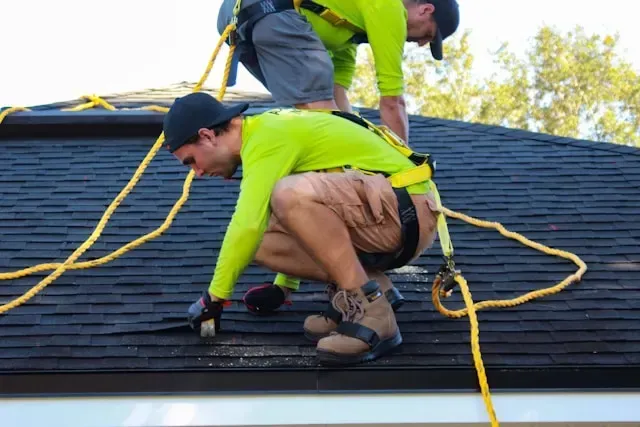
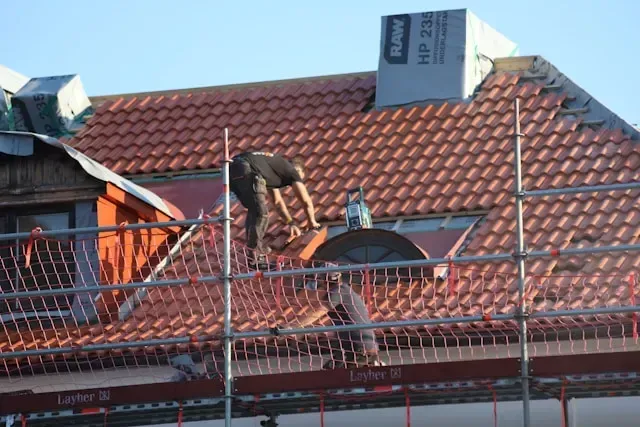
Walking on tile roofing without proper training can create safety concerns and may cause additional tiles to break. Instead of trying to inspect every area yourself, it is safer to have trained roofing professionals evaluate the roof system.
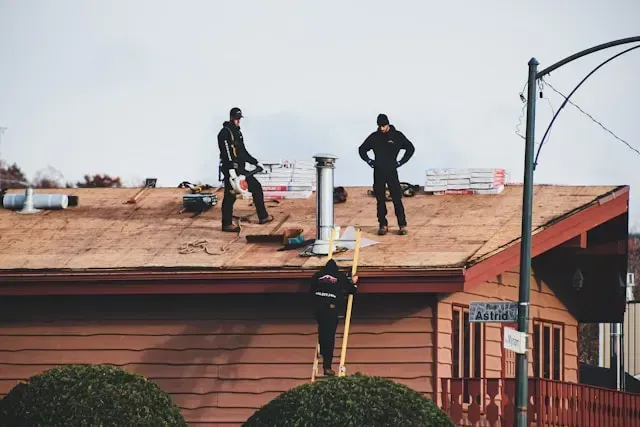
During an inspection, we can look for potential leak pathways and check the condition of tiles, underlayment, flashing, and drainage areas. Based on what we find, we can recommend repair, maintenance, or replacement work that fits the condition of the roof.
This type of assessment can be helpful for residential, commercial, and industrial properties. It can also support insurance inspections when storm-related damage needs to be documented and understood.
Address Cracked Roof Tiles Before Moisture Spreads
A cracked tile is not always an emergency, but it is never something to dismiss. Prompt inspection after storm activity or visible tile damage can help protect the underlayment and other materials that keep water out of your property.
The practical takeaway is simple: do not wait for a ceiling stain to confirm that something is wrong. Paying attention to cracked roof tiles early can help prevent a small exterior issue from becoming hidden water damage inside.
Protect Your Roof With Timely Professional Care
For clear next steps, get help with
cracked roof tiles from our residential roofing team. At Prowest Roofing, we assess the condition of your roof and recommend practical repairs tailored to its needs. Our experienced team is ready to help you maintain a durable, dependable roof.