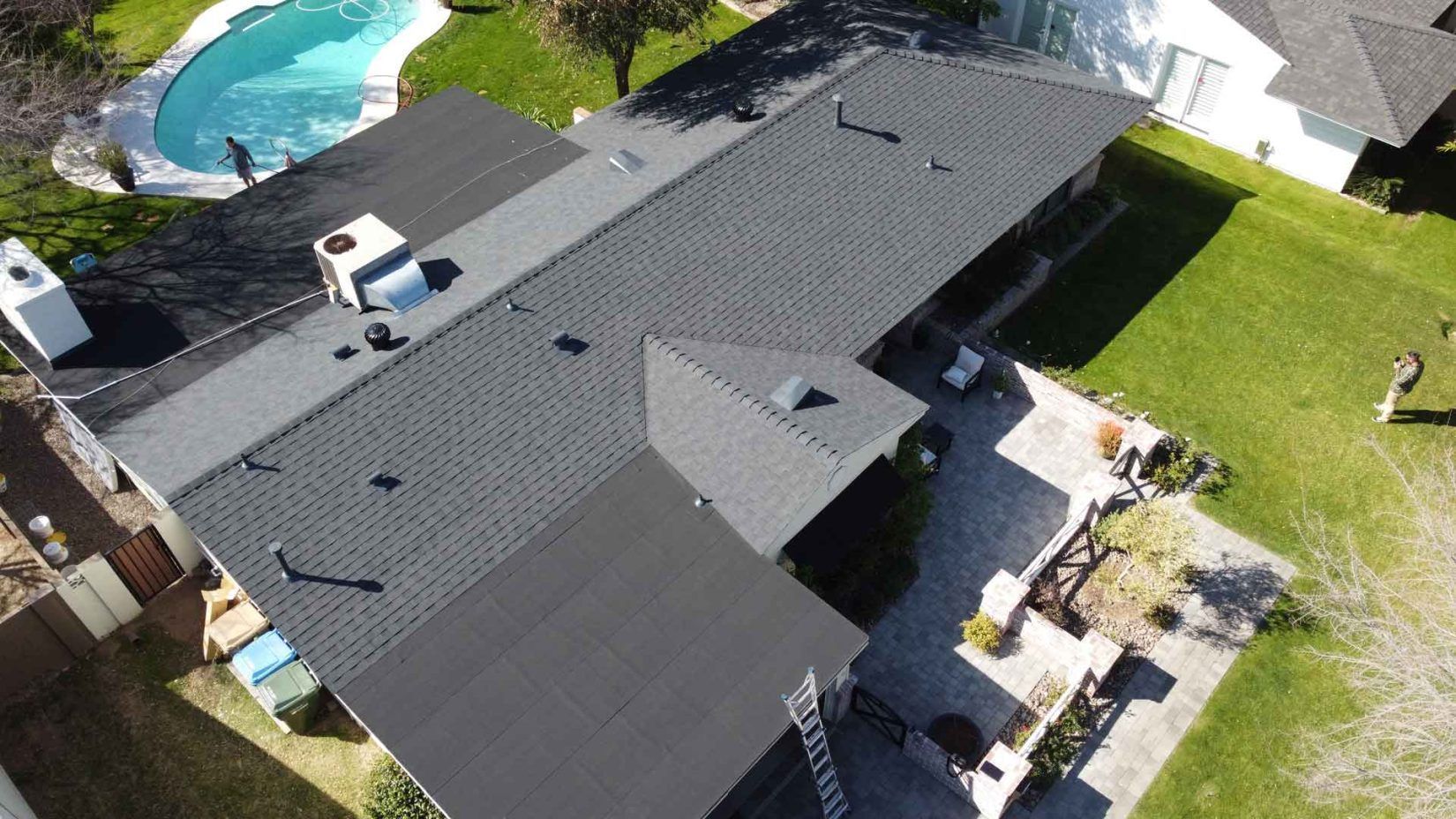
Arizona heat can be hard on an asphalt shingle roof. Months of strong sun and high roof temperatures can slowly wear down shingles, leaving behind curling edges, cracks, fading, and missing granules. These signs may look minor at first, but they can affect how well your roof sheds water when rain arrives.
We often see shingle damage in Arizona become more noticeable after a long, hot summer. Heat, sun exposure, daily temperature changes, roof age, ventilation, and late-summer storms can all play a part. Knowing what to watch for can help you spot trouble before damaged shingles allow water to reach the layers beneath them.
Arizona Sun and Heat Break Down Shingle Materials
Asphalt shingles spend much of the day under direct sunlight, especially on roof slopes with little shade. During Arizona’s hottest months, the roof surface can become much hotter than the air around it. That repeated exposure puts stress on the materials that help shingles stay flexible and protective.
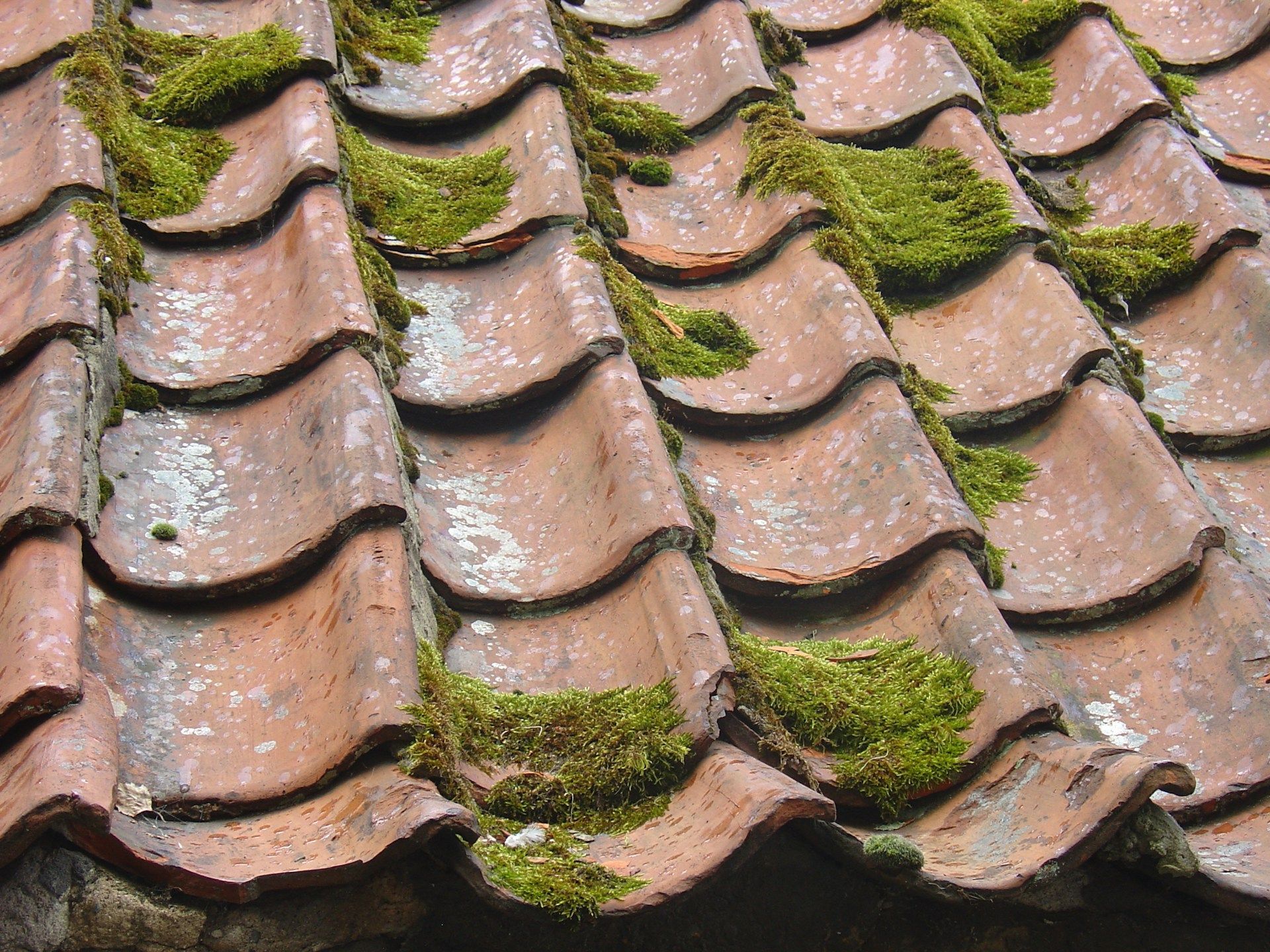
Over time, heat and ultraviolet rays can wear on the asphalt layer and the granules that cover each shingle. Granules help protect the shingle surface, so their loss can leave the material more exposed to the sun. As shingles age, they may become dry, stiff, and less able to move with normal changes in roof temperature.
Early heat-related wear is not always easy to notice from the ground. Before curling or cracking becomes obvious, you may see signs such as:
- Faded or uneven shingle color
- Loose granules near downspouts or roof edges
- Shingles that appear dry or worn
- Small areas of surface wear
- Tabs that no longer look smooth and flat
A close roof evaluation can help us tell the difference between normal aging and damage that may need attention.
Thermal Cycling Can Lift and Curl Shingle Edges
Roofs heat up during the day and cool down after the sun goes down. Asphalt shingles expand as temperatures rise, then contract as temperatures drop. This daily movement is called thermal cycling, and it can place added strain on shingles that have already been weakened by age and sun exposure.
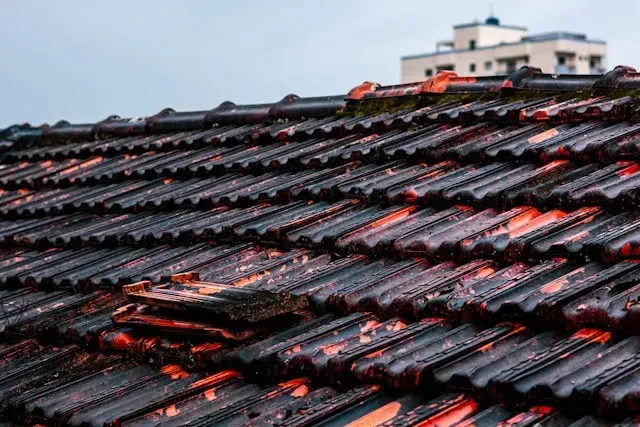
Curling often starts at the edges or corners of a shingle. You may notice raised corners, lifted tabs, or sections that no longer lie flat against the roof. Once a shingle curls, wind can get underneath it more easily. Rain may also be pushed beneath lifted edges instead of flowing safely across the roof surface.
Sustained heat and wide daily temperature swings make thermal movement an important part of shingle damage in Arizona. Not every curled shingle has the same cause, which is why we recommend having the full roof condition reviewed rather than judging the problem by one visible spot.
Aging and Roof Conditions Can Speed up Cracking
Older shingles are often more likely to crack because years of weather exposure can reduce their flexibility. A healthy shingle needs to adjust as the roof moves and temperatures change. When it becomes rigid, even normal movement can create splits or breaks across the surface.
Certain roof conditions may add to heat stress. Limited attic ventilation can allow heat to build up beneath the roof deck, while damaged flashing or already-weakened shingles can leave certain areas more vulnerable. These conditions are not always the only reason cracking occurs, but they are worth checking during a professional assessment.
Cracked shingles can create openings where water may reach the roofing materials below. From the ground, look for warning signs such as:
- Visible splits or broken shingle tabs
- Missing pieces of shingles
- Loose or bare-looking granules
- Lifted, bent, or curling edges
- Dark areas that look different from surrounding shingles
We can inspect these conditions safely and determine whether the issue appears isolated or part of wider roof deterioration.
Late-Summer Storms Can Expose Heat-Weakened Shingles
By September, roofs across Arizona have already spent months under intense sunlight. Late-summer monsoon winds and rain can reveal weaknesses that were building quietly through the hottest part of the year. A roof may look intact from the street, yet still have lifted edges, loose tabs, or small cracks that are easier to spot up close.
Wind-driven rain is especially concerning when shingles are curled or cracked. Water can be pushed beneath damaged areas, while gusts can catch lifted edges and worsen existing shingle problems. Even a brief storm can make a weakened section more noticeable.
After severe weather, we suggest paying attention to changes around your property and watching for signs that warrant a closer review. Shingle damage in Arizona may include new debris on the ground, granules near drainage areas, visible shingle pieces, or roof sections that suddenly appear uneven.
Schedule a Roof Assessment Before Damage Grows
Early attention to curling and cracking can help you understand what is happening on your roof before the problem spreads. During a roof assessment, we can look at the condition of the shingles, identify visible areas of concern, and provide repair guidance or replacement recommendations when the roof condition calls for it. For qualifying storm-related damage, we also provide insurance claim support.
A curled or cracked shingle does not always mean the entire roof needs replacement, but it should not be ignored. Keeping an eye on changes after long periods of heat and late-summer storms gives you a better chance to address roof concerns before water finds its way beneath the shingles.
Protect Your Roof Before Damage Spreads
At Prowest Roofing, we assess roof concerns carefully and recommend repairs that fit the condition of your shingles. Get professional help with
shingle damage in Arizona to address vulnerable areas and help protect your home from further deterioration. Our team is ready to provide clear guidance and dependable residential roof repair.