Key Takeaways
- Solar does not work the same for every roof. Tile, metal, and asphalt all require different types of mounting.
- The Department of Energy states that it is a great time to add solar when replacing your roof, as performing both replacements together saves you the expense of two roofs.
- However, the correct technique to place solar panels is to start
with a roof examination and not with an order for panels.
Introduction
Solar sounds simple on paper: panels go up; your bill goes down. But before you commit, there is a catch that nobody will tell you. Do solar panels work on every type of roof? Not equally and getting those wrong costs. Is it Roof Before Solar, or do you install solar now and worry about the roof later? A lot comes down to age. According to Arizona Roofers' Solar Readiness Guide (source), around 40 percent of roofs in Arizona are already more than 15 years old. If your roof is in good condition before installation, your solar system can last 25 years or more without unexpected removal.
Are Solar Panels Compatible with All Roofing Types?
Short answer: not equal. Installers can install panels almost anywhere, but "possible" and "smart choice" are two different things.
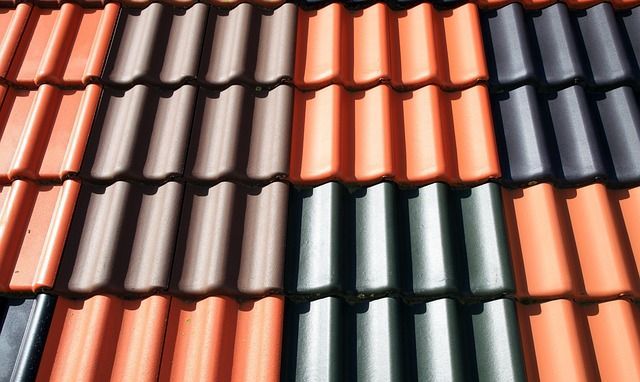
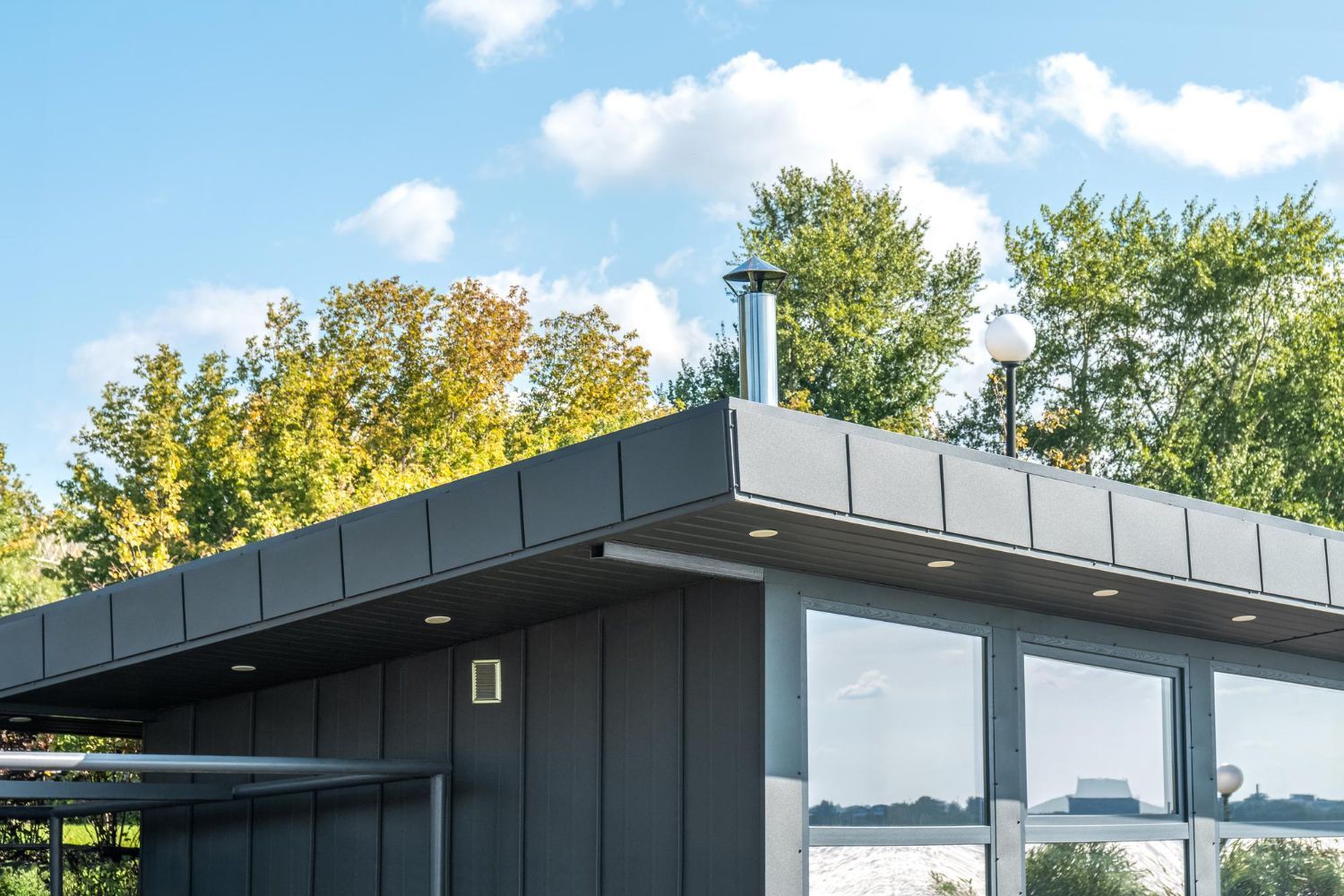
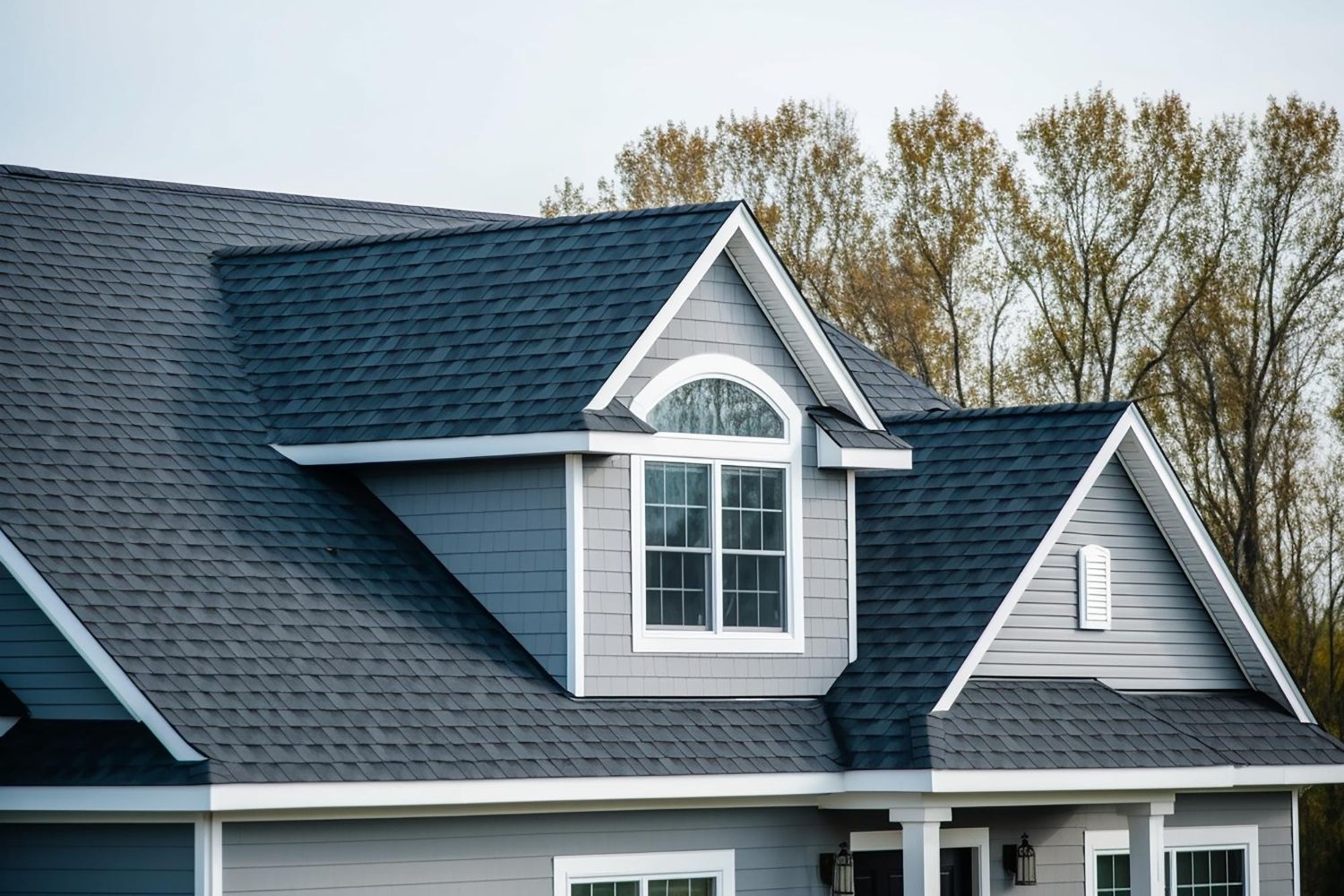
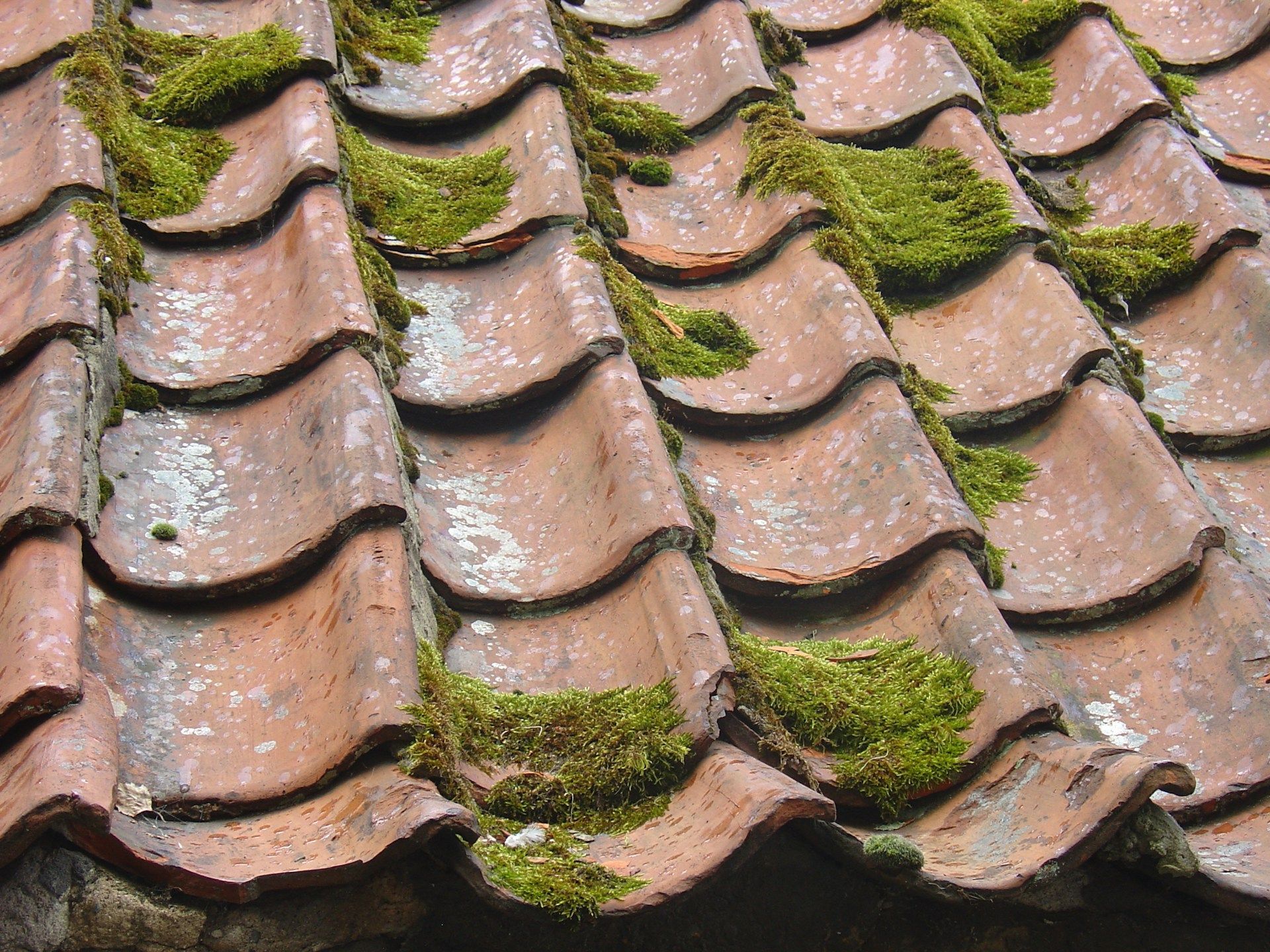
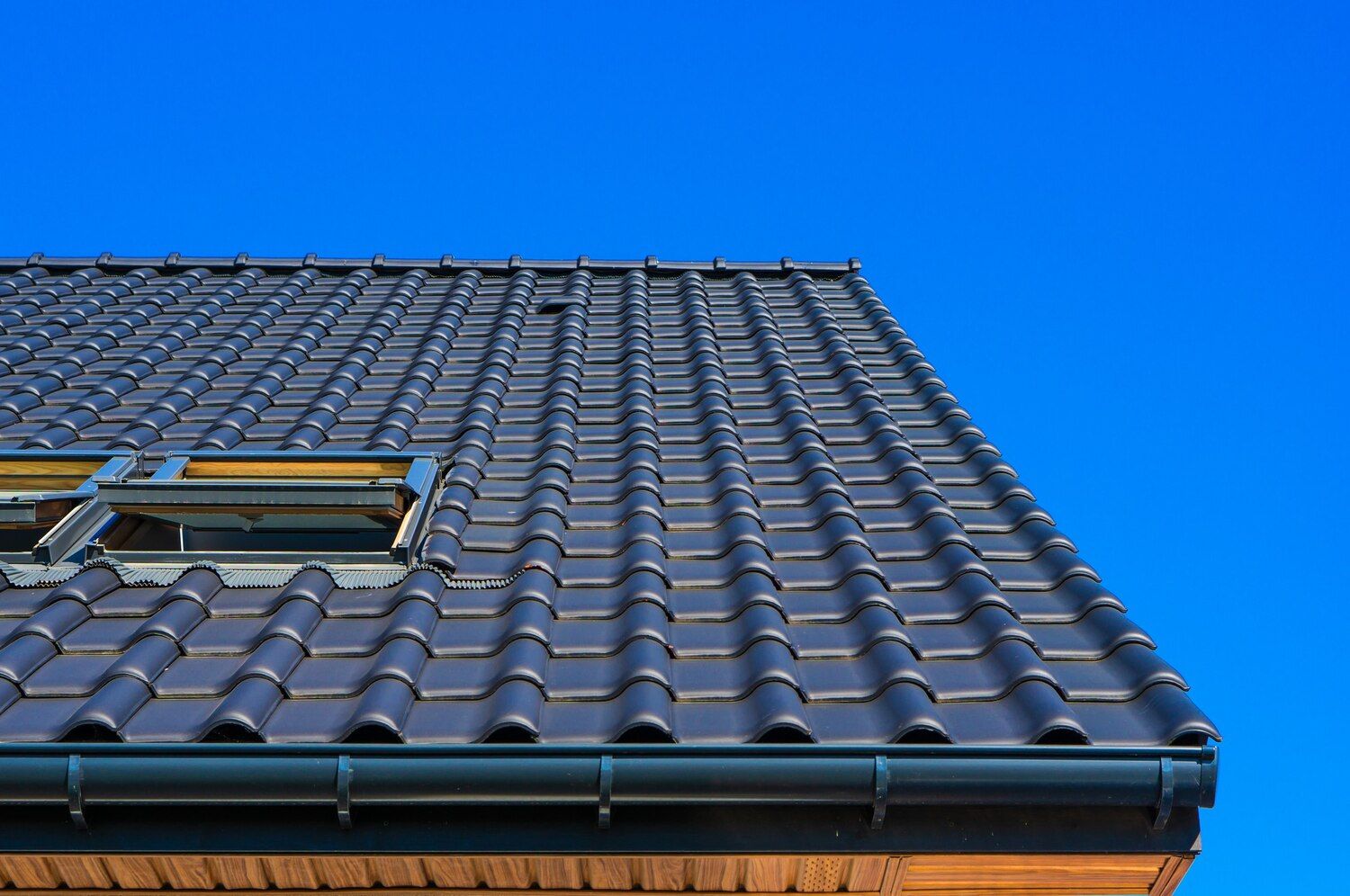
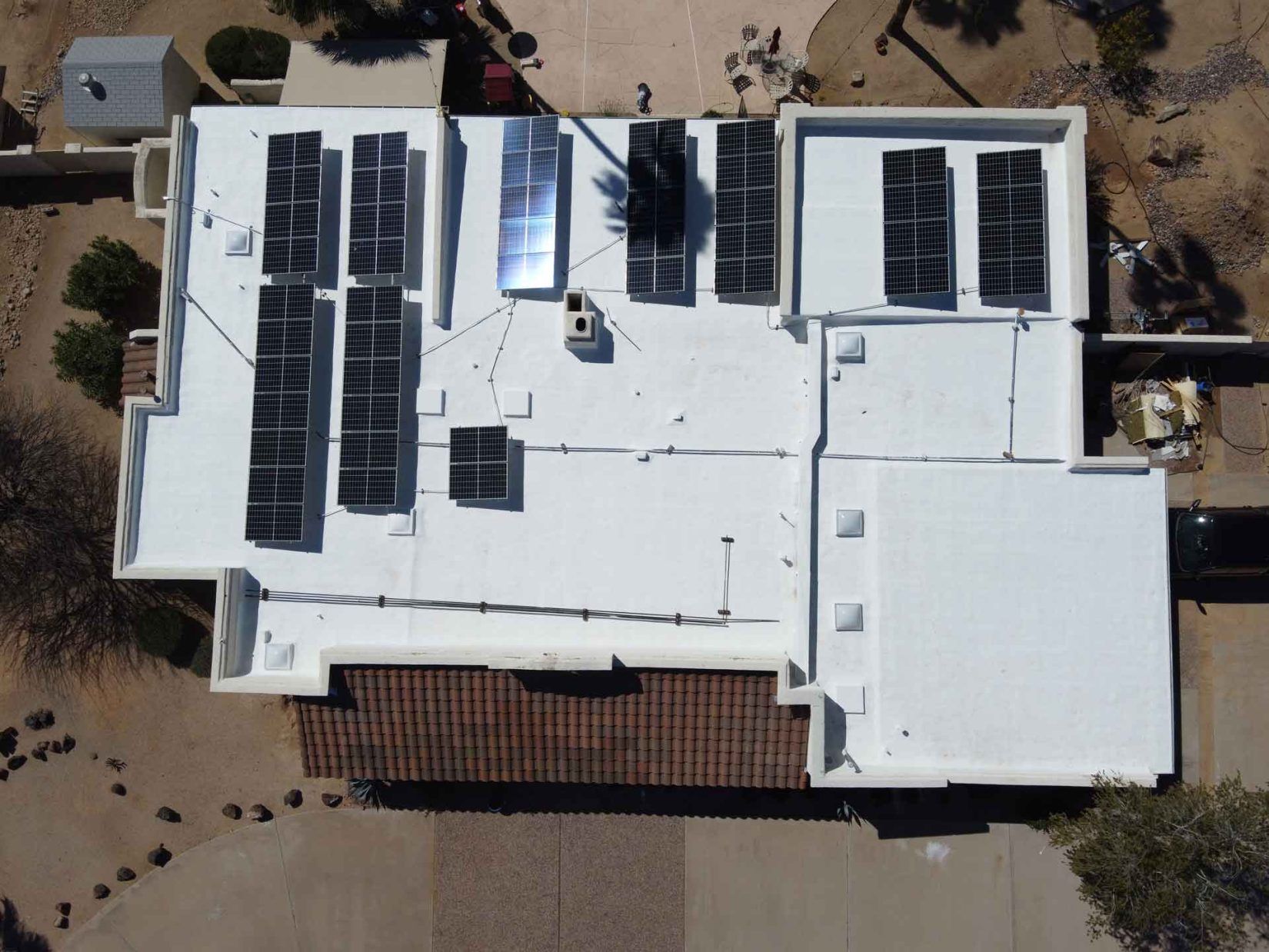
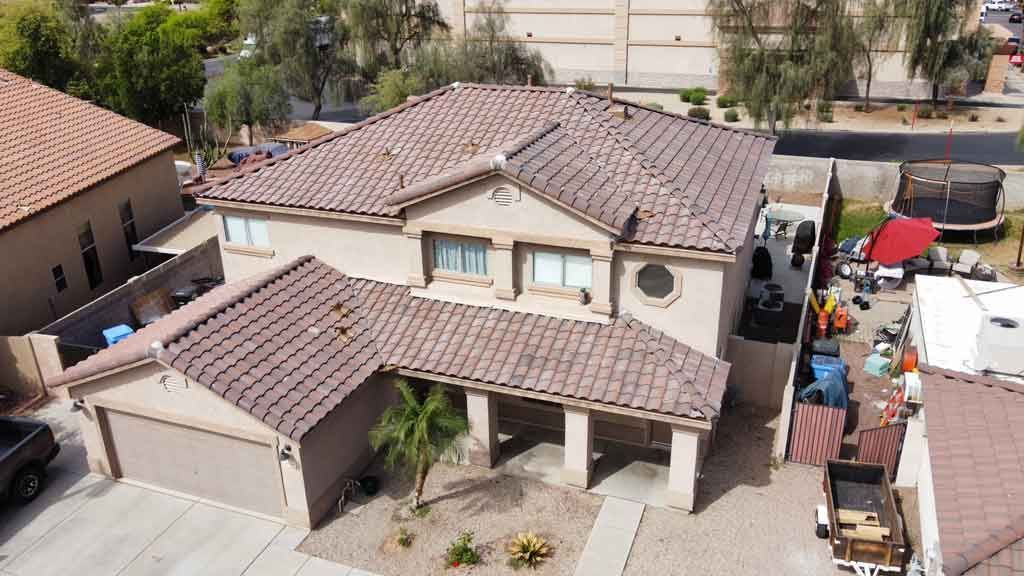
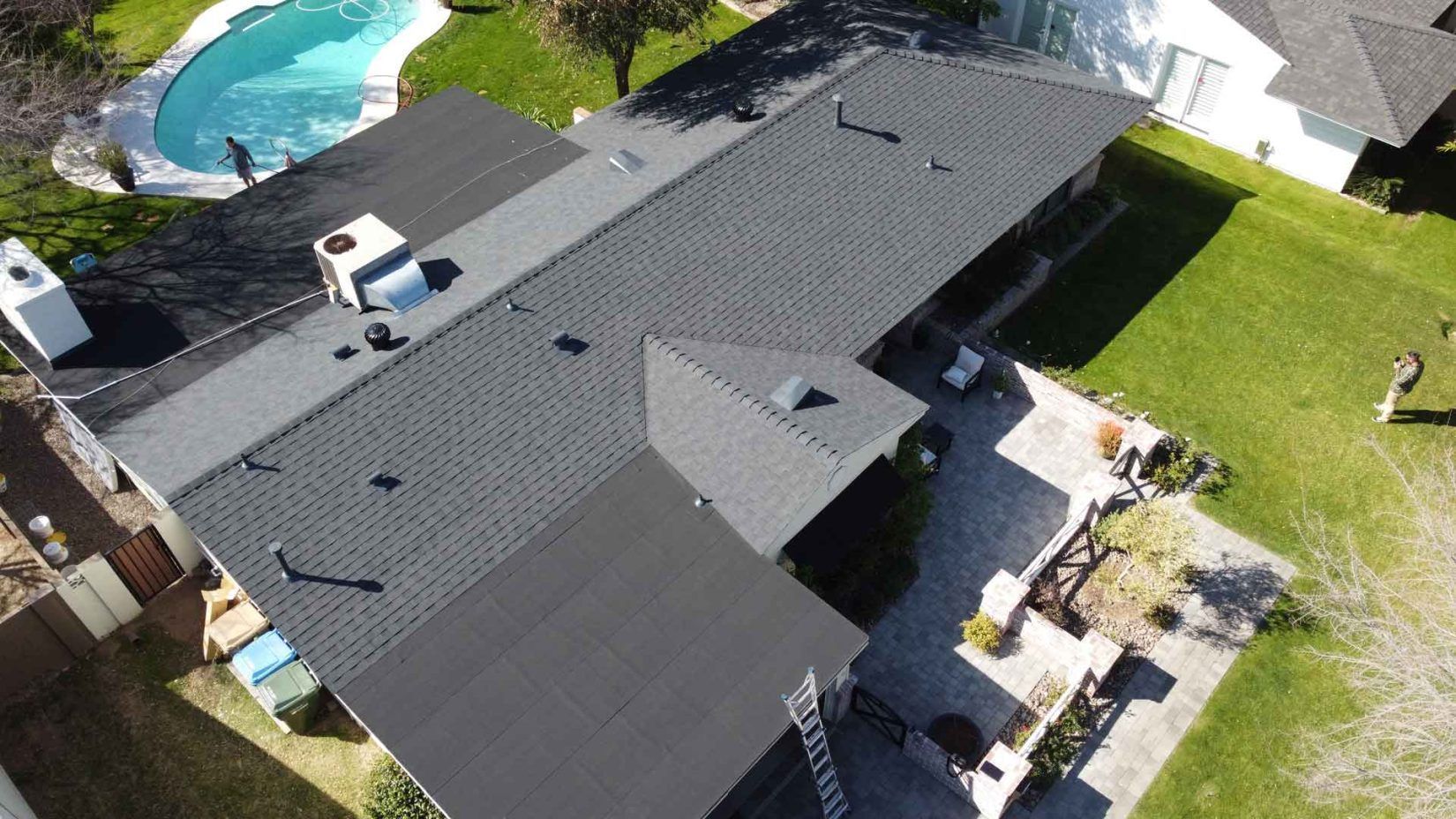
While asphalt shingles are the most common and easiest for us to work with, they age the quickest under Arizona's bright sun. Tile roofing requires specialized flashing so that it does not crack. Metal roofing, particularly in the standing seam category, is usually best because clamp-on systems go on without any drilling. For flat roofs, you typically implement a ballasted system rather than rail clamps.
In terms of pure feasibility, are solar panels suitable for all types of roofs? Sure. However, solar is rarely out of the question for any material; it just depends on whether the roof still has a shelf life.
Should You Replace Roof Before Solar?
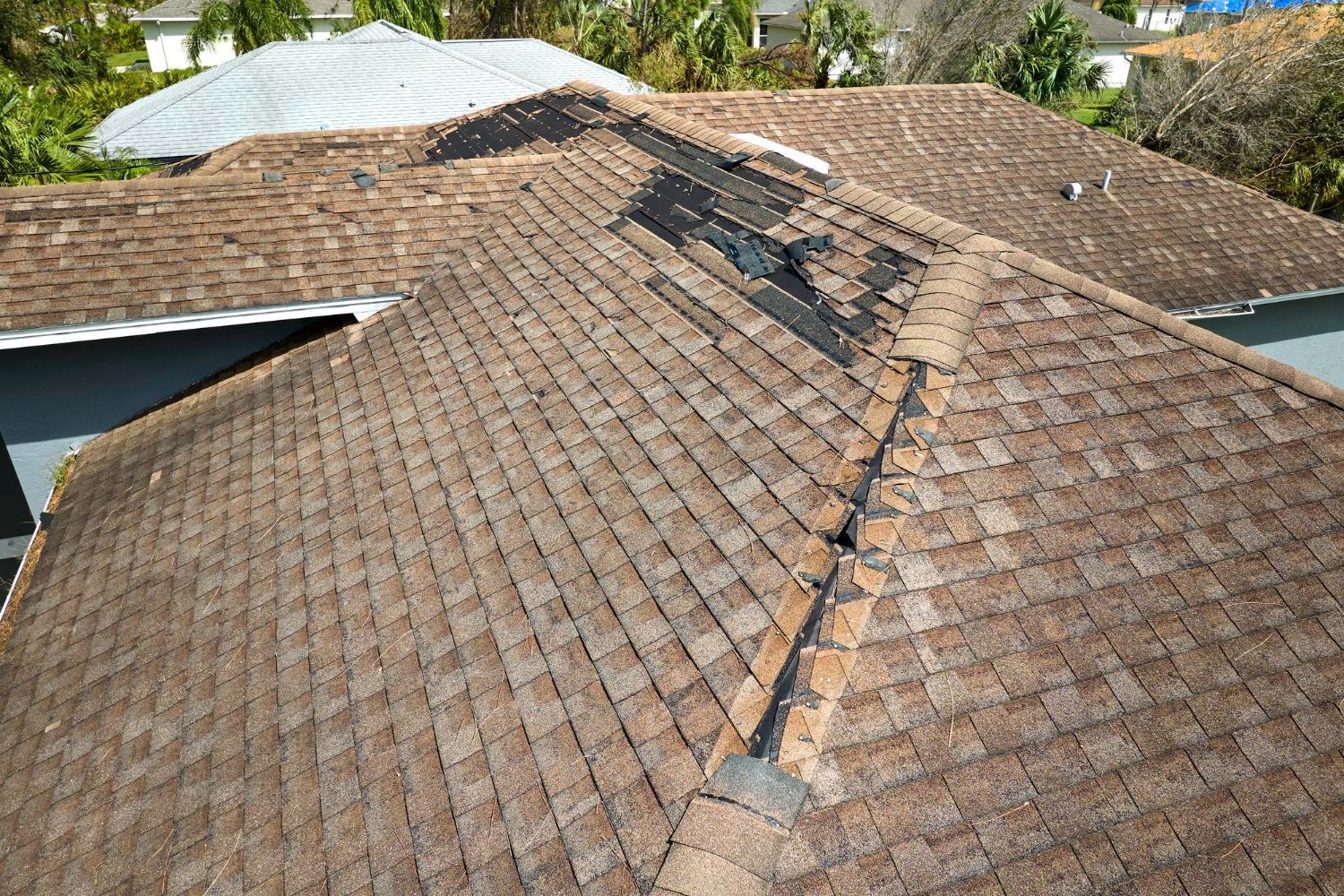
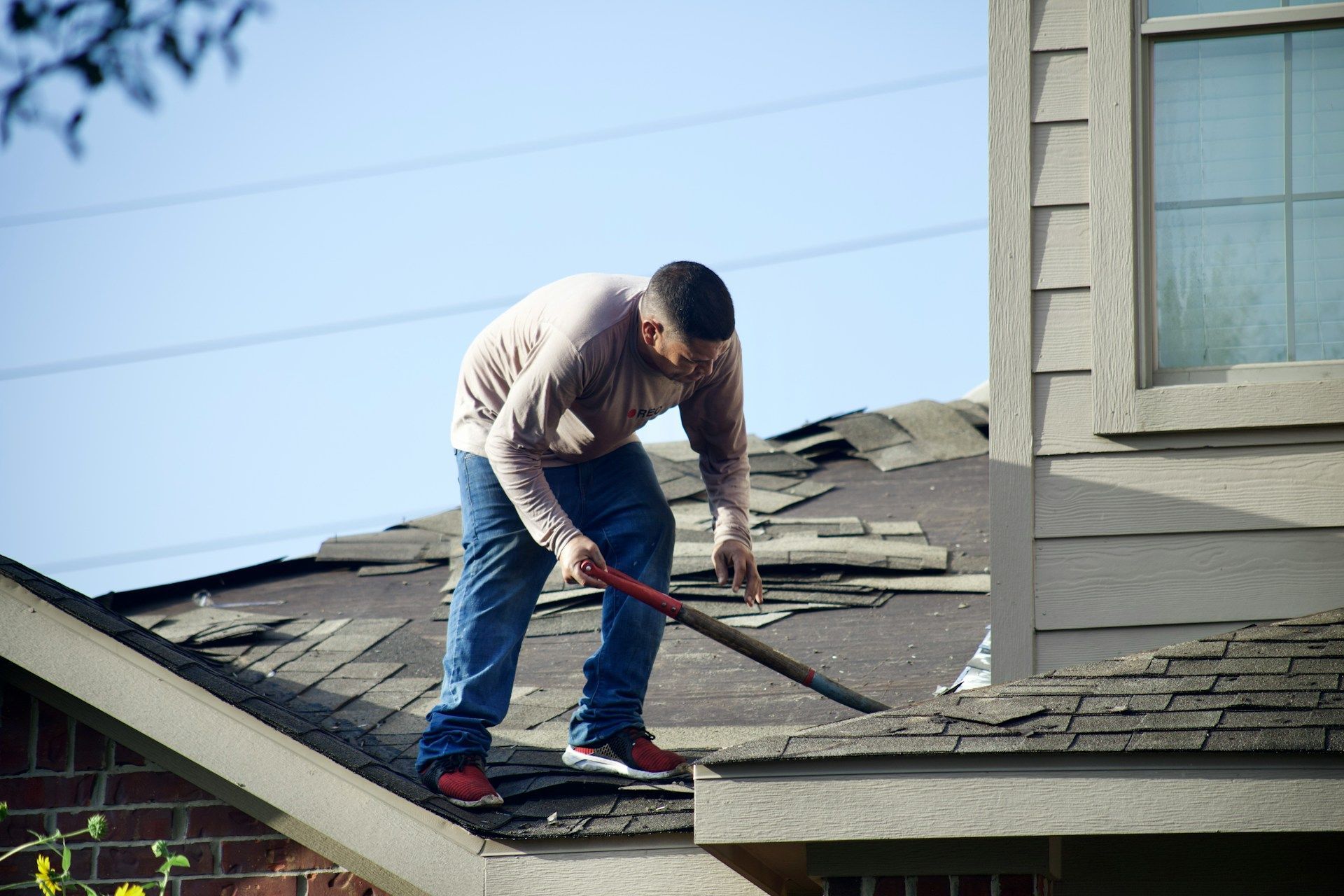
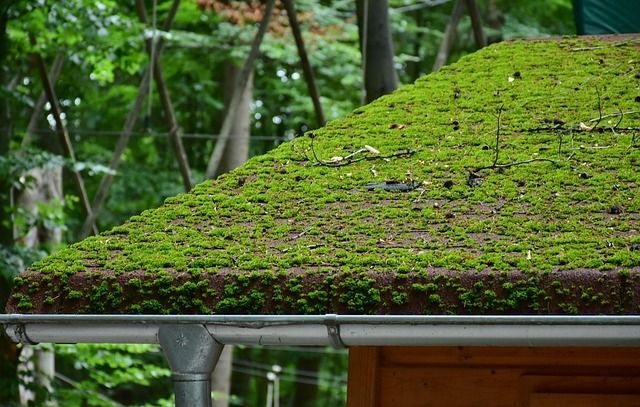
This is the question that saves real money or costs a lot of bucks if skipped. Solar panels typically last 25 to 30 years. In that same sun, the average apologies of a 20- to 25-year-old Arizona asphalt roof is finally coming to an end. If your roof is already ageing, you are creating a scenario for failure that ends up with costly removal and replacement down the road.
The Department of Energy considers it a good time to add solar during
a roof replacement because planning both together prevents having to tear an attended rooftop array off a fresh roof years later.
A roofer's secret: If your asphalt roof has 10 to 15 years of life left (or less), replace the roof first, solar second. Tile and metal roofs typically outlast most solar panels for several decades.
How to Install Solar Panels on Roof Surfaces the Right Way
This is not just hardware; it is a question of sequence.
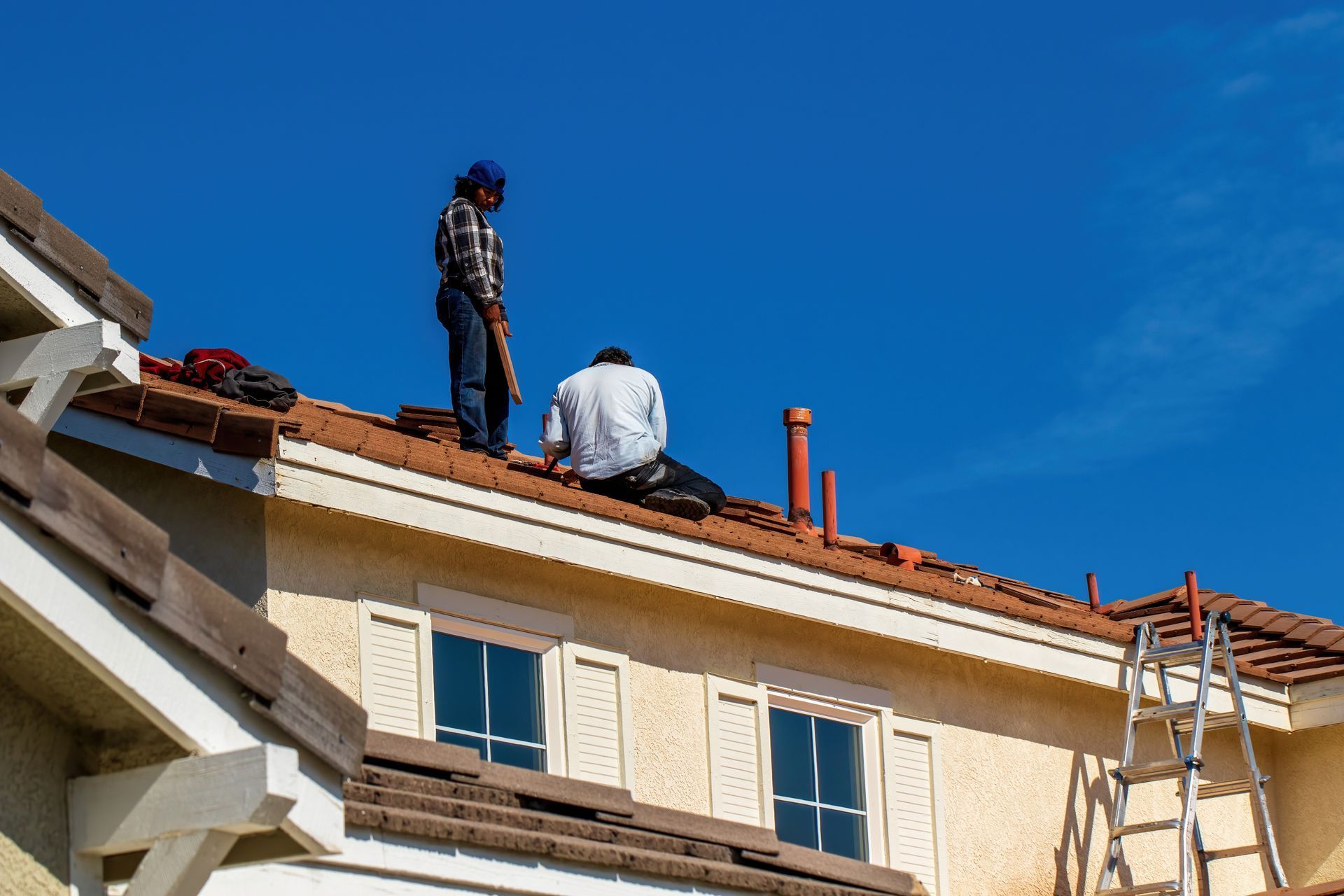
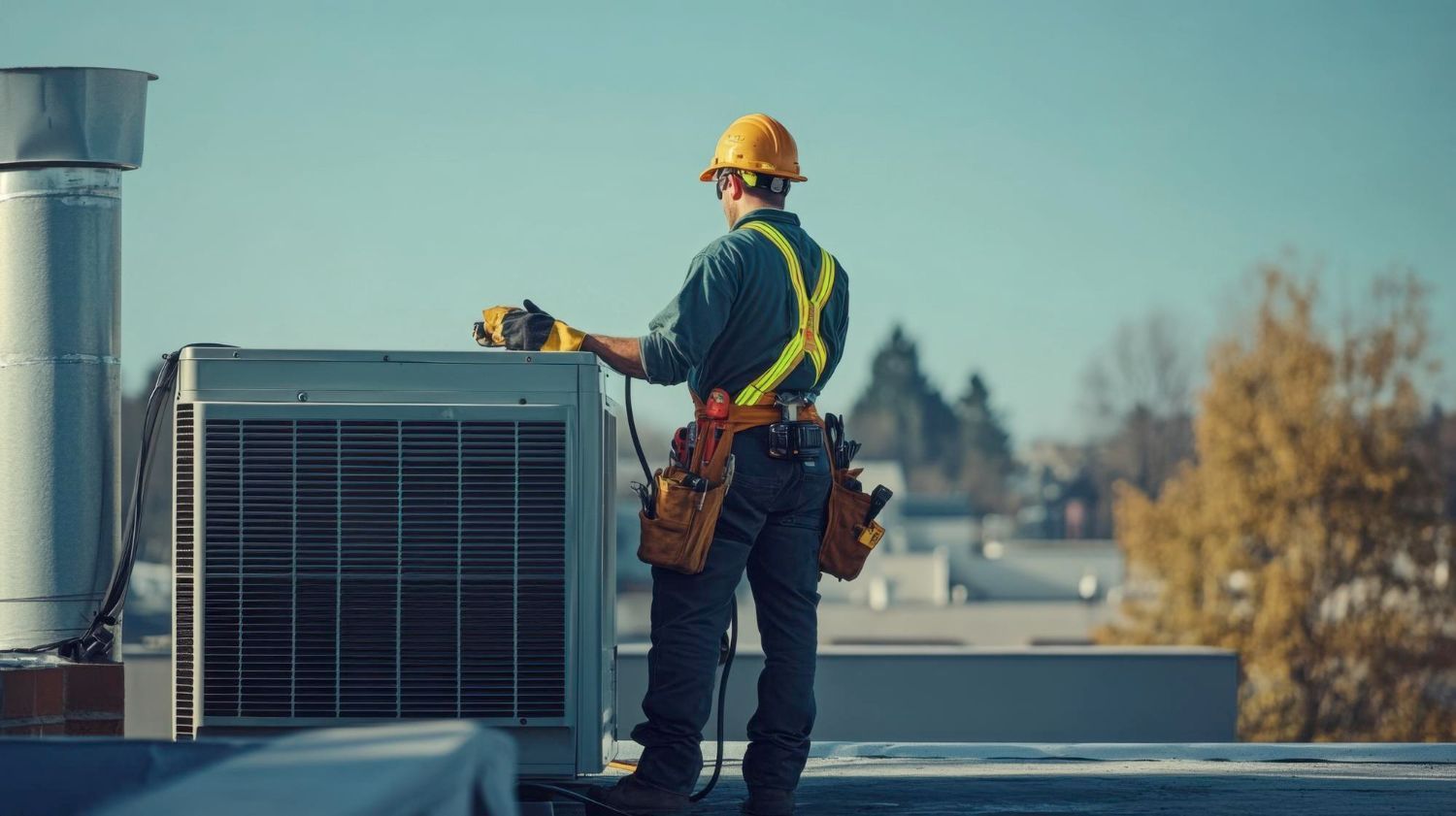
- Inspect the roof first. A roofer examines decking, flashing, and remaining shingle of life before starting a solar installation.
- Confirm the load capacity. Solar panels have a marginal added weight of approximately 3 to 5 pounds per square foot. This is usually fine for Arizona roofs, although some older homes may need additional support.
- Address roof issues before mounting. Crew arrives only once repairs or reinforcements are done.
- Coordinate mounting with roof material. The installer and roofer need to be aligned, as tile and metal require different hardware. This is the very practical center, namely, how to install solar panels on roof surfaces without later looking back.
- Seal every penetration properly. As we head into monsoon season, each mounting point needs flashing in place to deter leaks.