Keep Tucson Winter Winds From Lifting Your Tiles
Loose tile clips can matter before winter winds arrive. In Tucson, November brings the holiday season, occasional rain, and gusty fronts that can put added pressure on a tile roof. Tile is known for lasting well, but its performance depends on the attachment parts beneath and around each tile.
A tile that shifts just a little may not seem urgent from the ground. Still, when wind catches the right edge, that small movement can turn into a lifted, cracked, or displaced tile. We recommend taking signs of movement seriously before wind has the chance to make a small concern larger.
Not every tile roof uses the same fastening method. Depending on the roof’s design, tiles may be held in place with clips, nails, screws, foam adhesive, battens, or a mix of these materials. That is why a professional inspection matters. We can identify how your roof was installed and look for attachment problems that may affect wind resistance.
Addressing a limited area early can help avoid a longer repair list later. A loose clip may lead to shifting tiles, broken neighboring tiles, exposed underlayment, and moisture getting into parts of the roofing system where it does not belong.
Why Tile Roofing in Tucson Needs Secure Clips
Clips are small parts of a larger roofing system, but they can play a big role in keeping tiles stable. They help hold tiles in position, reduce rattling and movement, and support the roof’s ability to handle wind pressure. If clips corrode, loosen, break, or pull away from a batten or roof deck, the tile above may no longer sit as securely as intended.
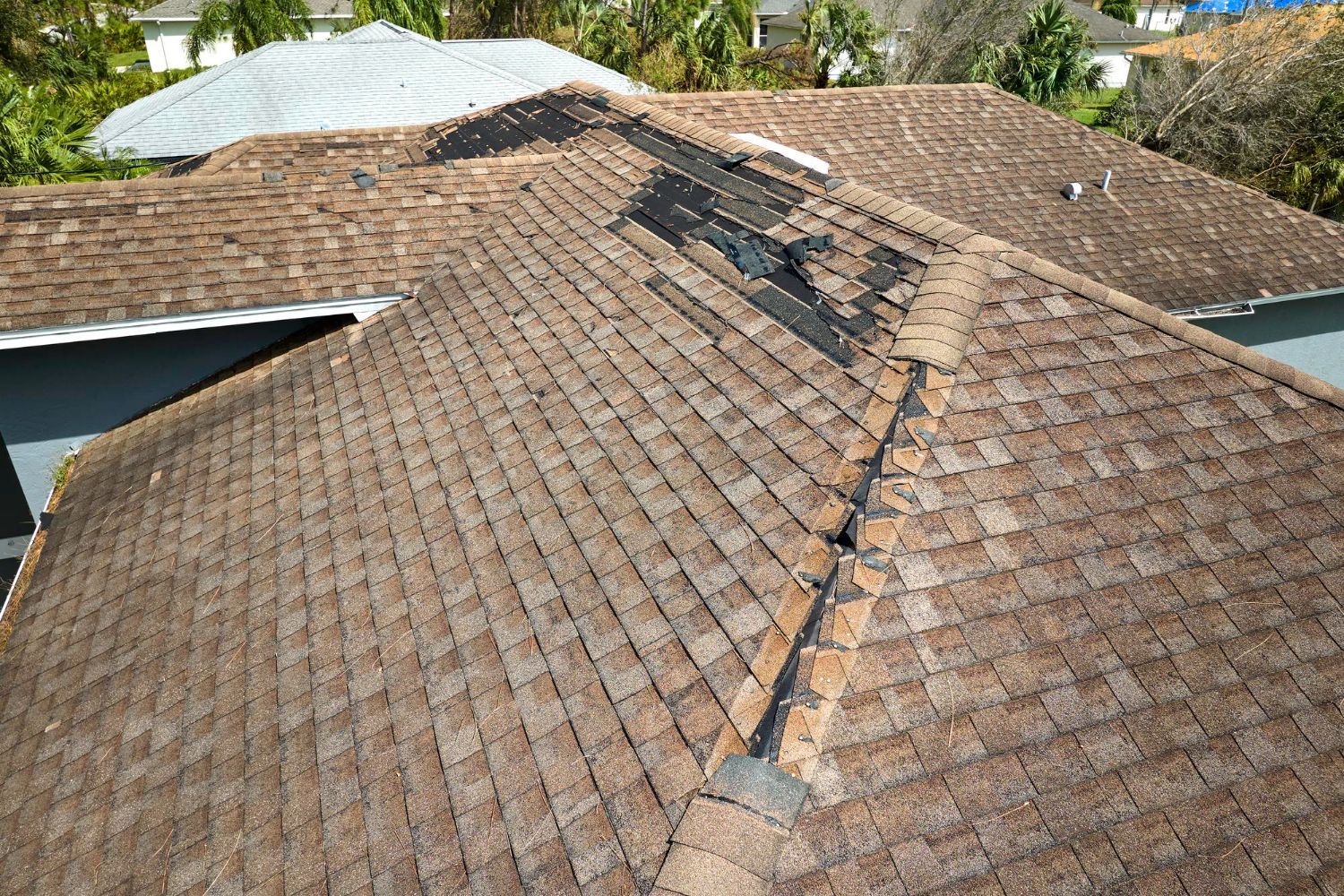
Once wind gets beneath the edge of a raised tile, damage can spread. Pressure under one tile may cause it to crack, lift, or move out of place. Nearby tiles can shift as well, leaving gaps that expose the underlayment below. While tile is the visible roof surface, the underlayment is an important water-shedding layer that needs protection.
Tile roofing in Tucson deals with plenty of wear over time, including strong sun, dust, temperature changes, and seasonal wind events. Those conditions can affect tiles, fasteners, and other roof components bit by bit. November is a sensible time to have attachment points checked, especially if your roof has been through past windstorms.
Spot Loose Clips Before Wind Finds Them
You may be able to notice tile movement without getting on the roof. From the ground, look for changes that seem out of place compared with the rest of the tile rows. A closer professional look is wise when you notice:
- Crooked tiles or uneven rows
- Gaps between tiles
- Tiles sitting higher than nearby pieces
- Cracked tile corners or broken edges
- Debris collecting in unusual spots on the roof
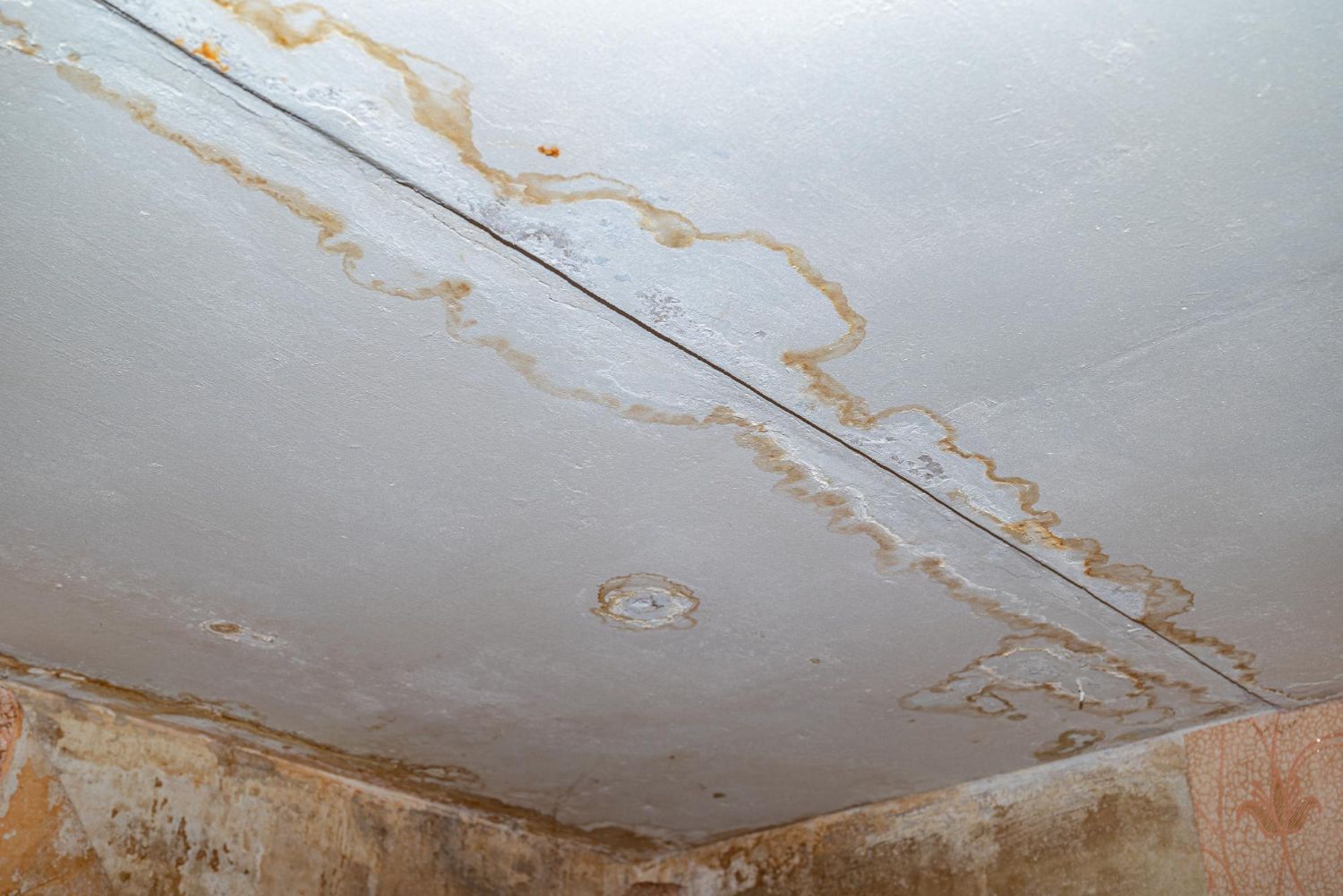
Sounds can also tell you something is wrong. Rattling, tapping, or repeated clicking during gusty weather may point to a tile that is moving against another tile or its attachment hardware. Indoors, water stains, damp attic insulation, or daylight near roof penetrations can be signs that shifting materials have affected the layers below.
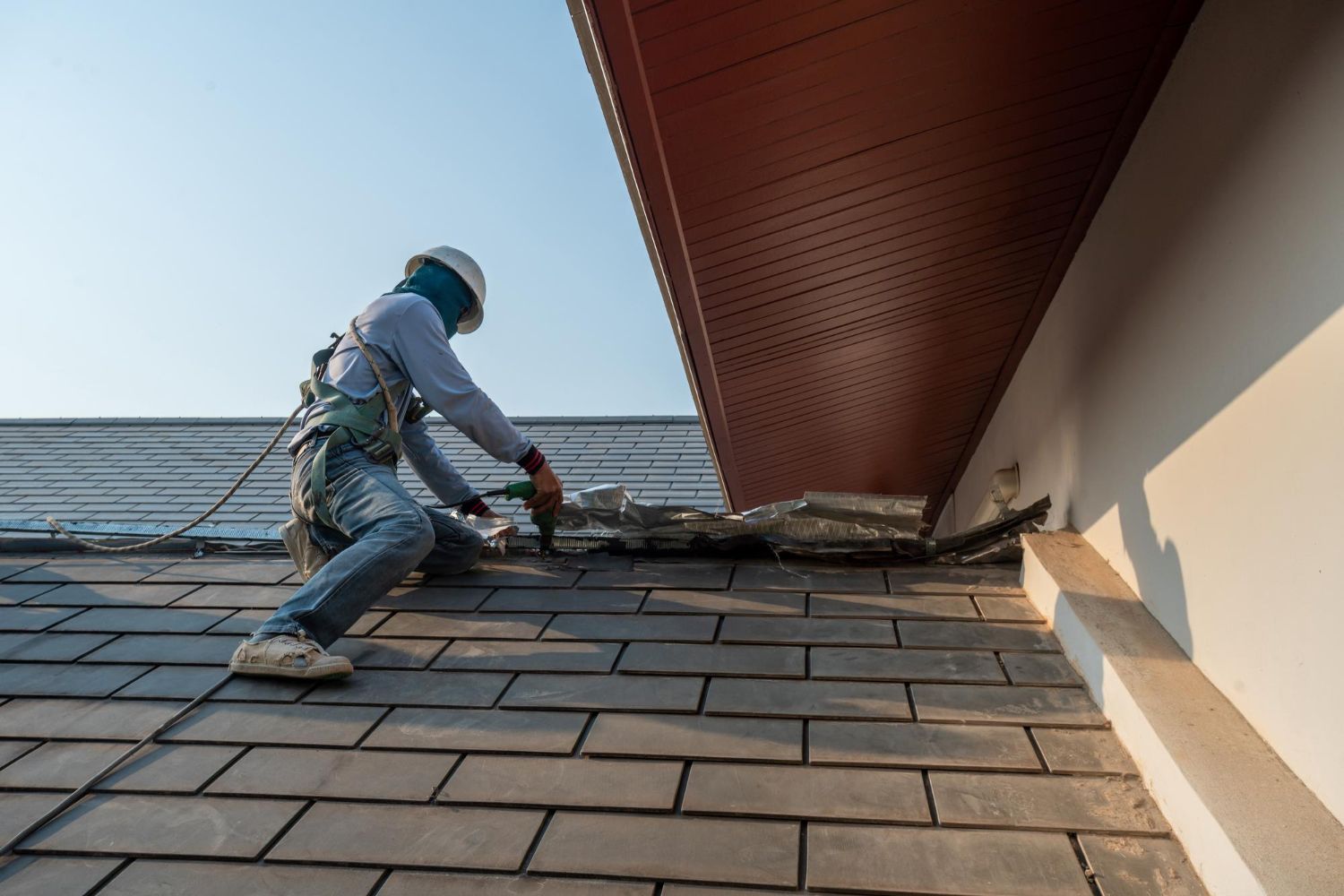
Please do not walk on a tile roof to look for loose clips yourself. Tile can crack when weight is placed in the wrong location, and a loose tile can create a serious fall hazard. Our trained technicians can inspect clips, fasteners, tiles, flashing, and underlayment safely while avoiding unnecessary breakage.
Professional Repairs Restore Secure Tile Attachment
A good repair starts with finding the reason a tile moved in the first place. Simply putting a visible tile back into position may not solve the problem if the clip beneath it is corroded, a fastener has failed, a batten is damaged, or the underlayment has been exposed. We look beyond the surface so the repair addresses the condition affecting the roof system.
Depending on what we find, appropriate work may include:
- Replacing damaged or corroded clips
- Installing compatible fasteners for the existing roof system
- Resetting displaced tiles
- Replacing cracked or broken tiles
- Repairing underlying materials before reinstalling tiles
Materials need to work with the existing tile design and the roof’s attachment method. Nearby flashing also deserves attention, especially around vents, chimneys, skylights, and other roof penetrations. Movement in one area can affect the materials around it, even when the damage is not obvious from below.
When wind has already caused visible problems, we can document the roof’s condition and explain which repairs need attention first. That information may be useful if a storm-related insurance claim becomes necessary. Our goal is to help you understand whether the issue is limited to a few tiles or points to a broader restoration need.
Make Your Tile Roof Wind-Ready
Loose clips may be hidden beneath the tile, but their effects can become clear quickly during a windy stretch of weather. Paying attention to shifted tiles, unusual roof sounds, and indoor moisture clues gives you a better chance to address problems before they expose more of the roofing system.
A professional inspection before seasonal winds pick up can help preserve secure tile attachment and protect the layers beneath your roof. Small repairs made at the right time can help prevent displaced tiles, water entry, and more involved repairs after the next major gust.
Protect Your Tile Roof Before Winter Winds
Prowest Roofing can assess clip condition and recommend practical repairs tailored to your roof. Contact us for dependable
tile roofing in Tucson and get clear guidance on the next steps. Our team is ready to help you maintain a stronger, more reliable roof through the season.