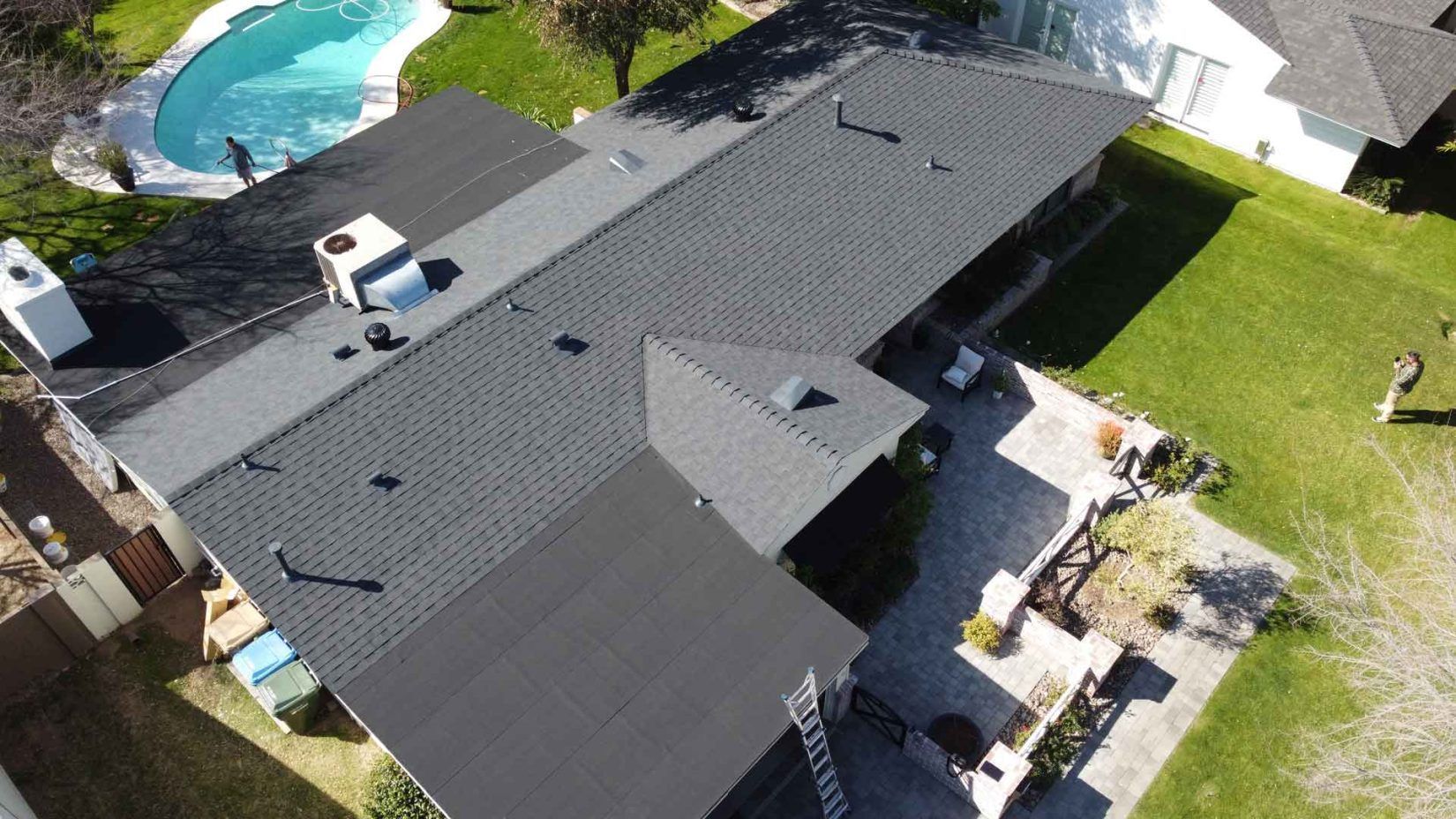
Understanding Roof Repair Needs After Tucson Dust Storms
A Tucson dust storm can do more than cover your property in grit. Strong winds, flying debris, and sudden pressure changes can loosen roofing materials and create small openings where moisture can enter later. At ProWest Roofing, we recommend looking over your property soon after a major storm, even when you do not see an active leak.
Damage often becomes more serious when a haboob is followed by rain. Dust can hide cracked materials, blocked drains, and weakened flashing until the next storm sends water into places it does not belong.
Protect Your Roof After a Dust Storm
After a dust storm, start with a safe view from the ground. Look for fallen branches, roofing pieces in the yard, bent gutters, or debris piled near the building. Take clear photos of the storm conditions and anything that looks out of place. Those details may be helpful for your property records or an insurance claim.
We often see roof repair in Tucson become more urgent after monsoon season because wind damage is not always obvious right away. A roof may appear fine from the driveway while lifted materials or damaged underlayment sit beneath the surface. Dust also settles into roof valleys, drains, and gutters, where it can create problems when fall rain arrives.
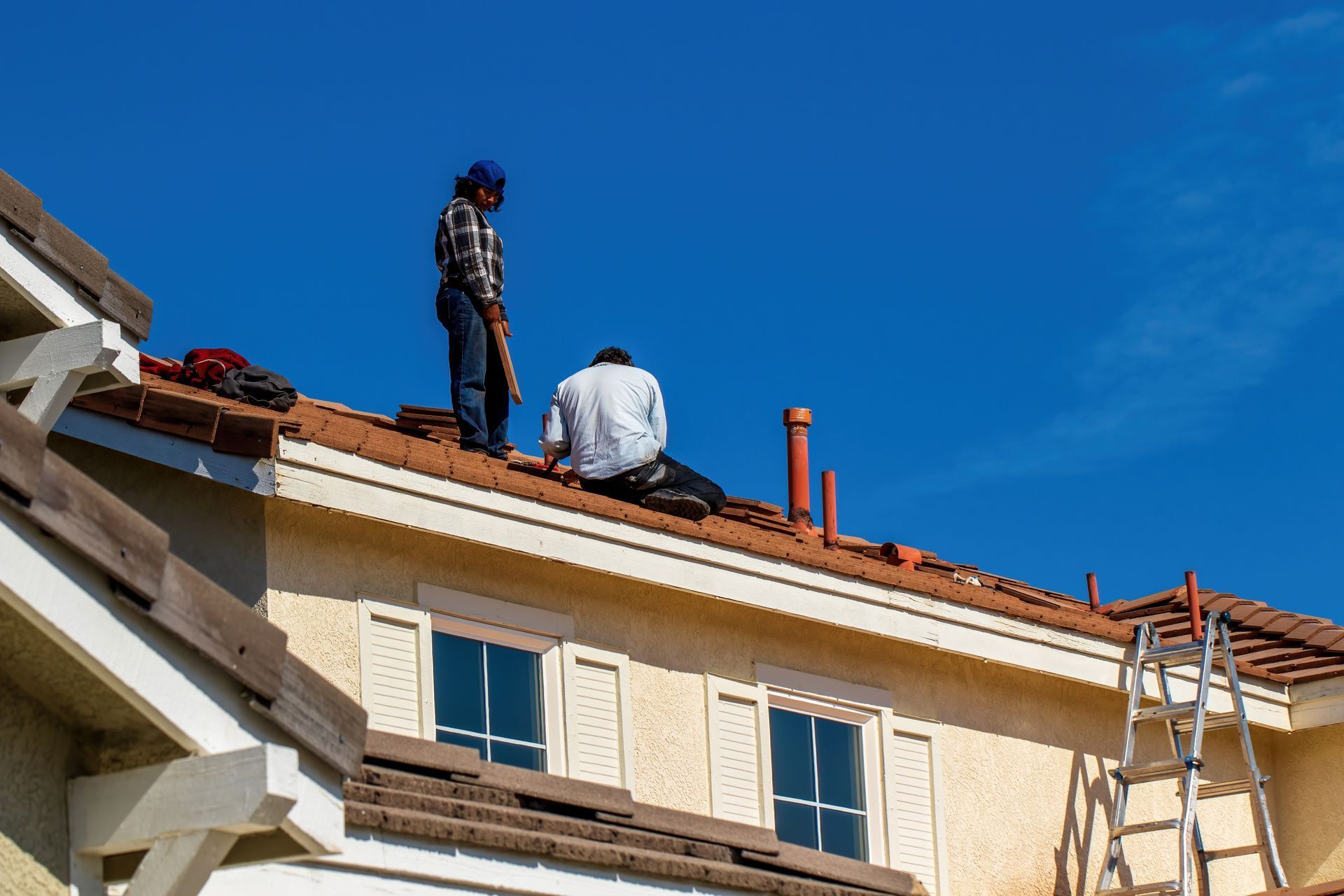
If you suspect damage, a licensed roofing professional can inspect the roof without putting you or your property at risk. We recommend avoiding ladders, especially when wind, loose debris, or unstable roofing materials may still be present.
Spot Damage Before Small Problems Spread
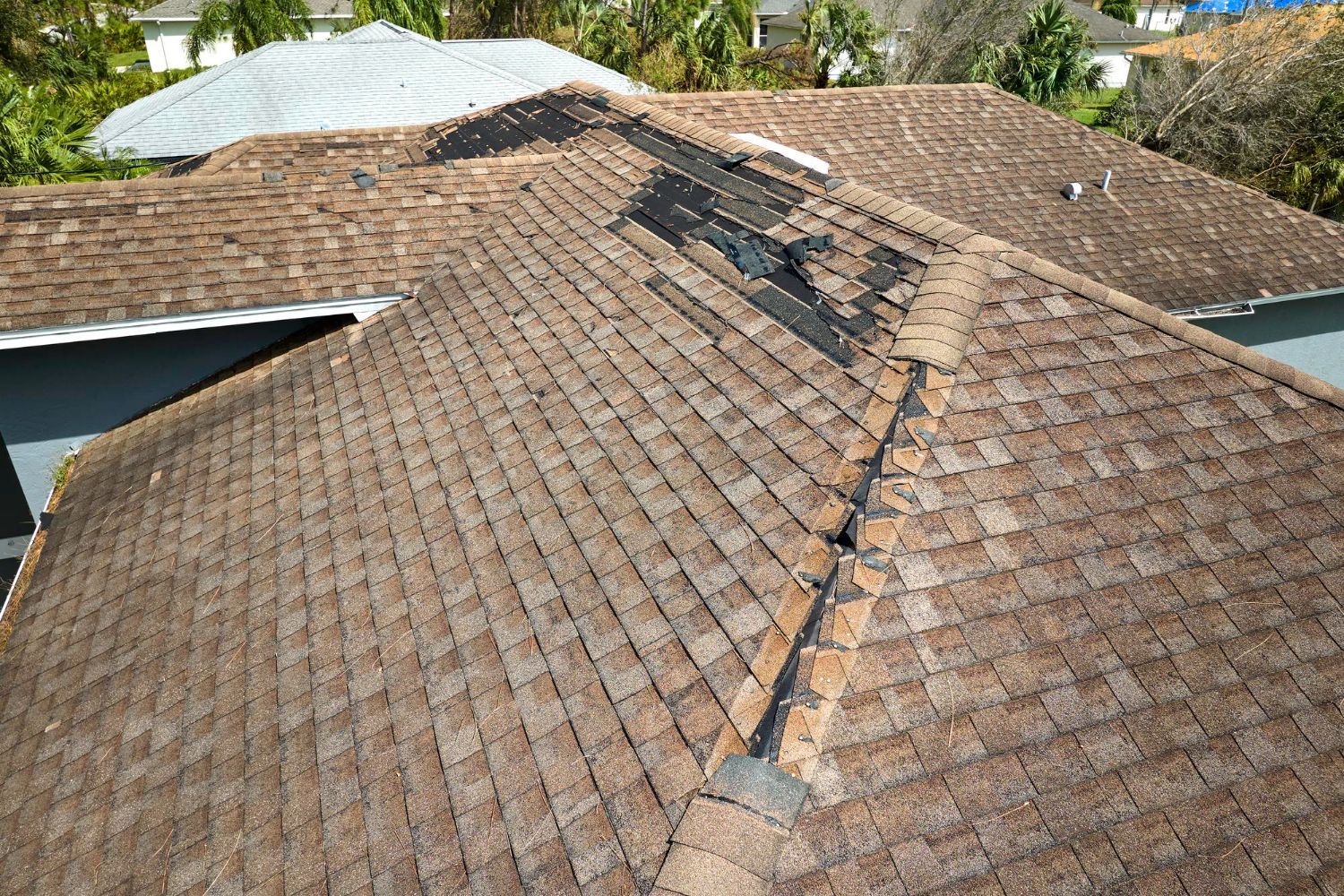
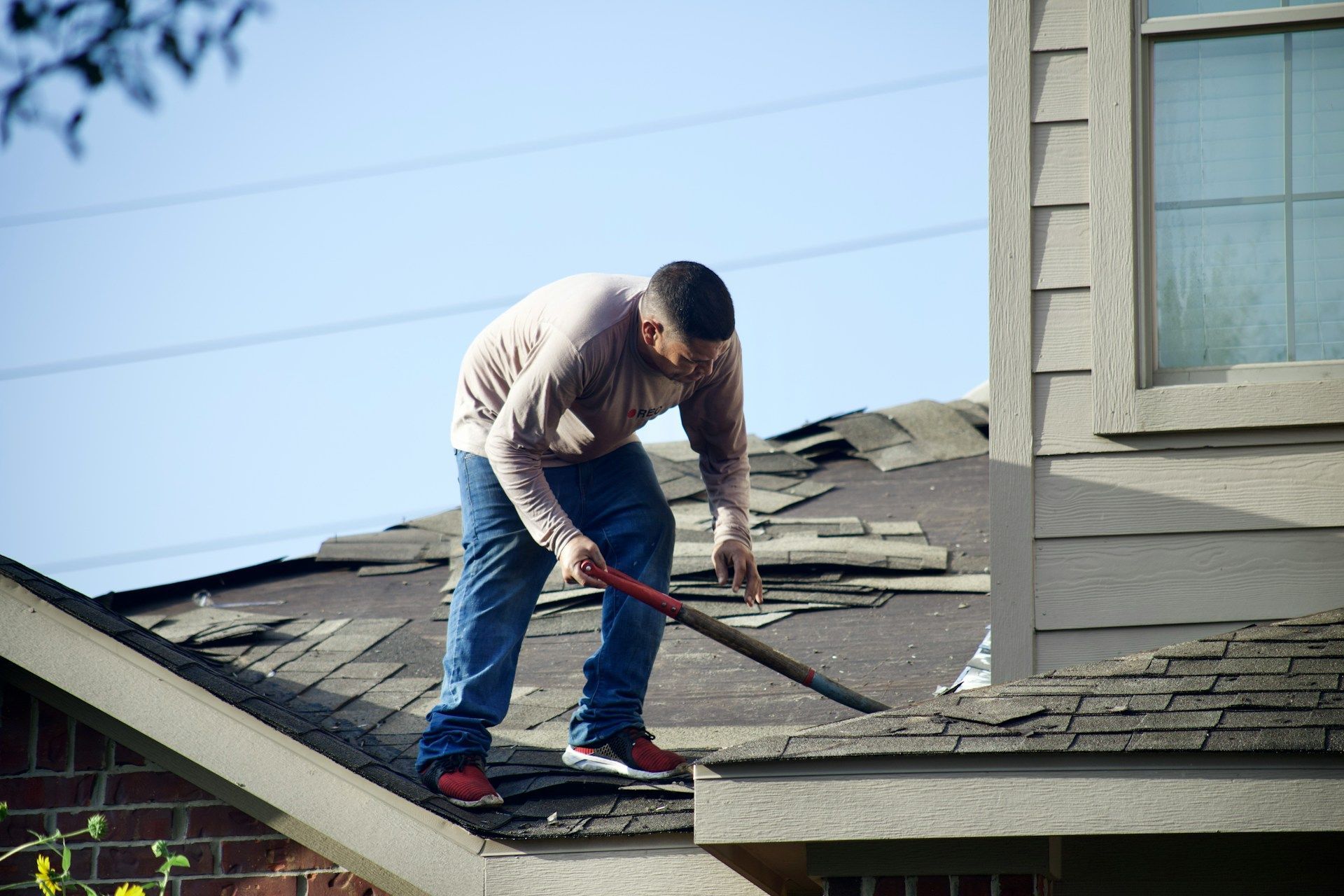
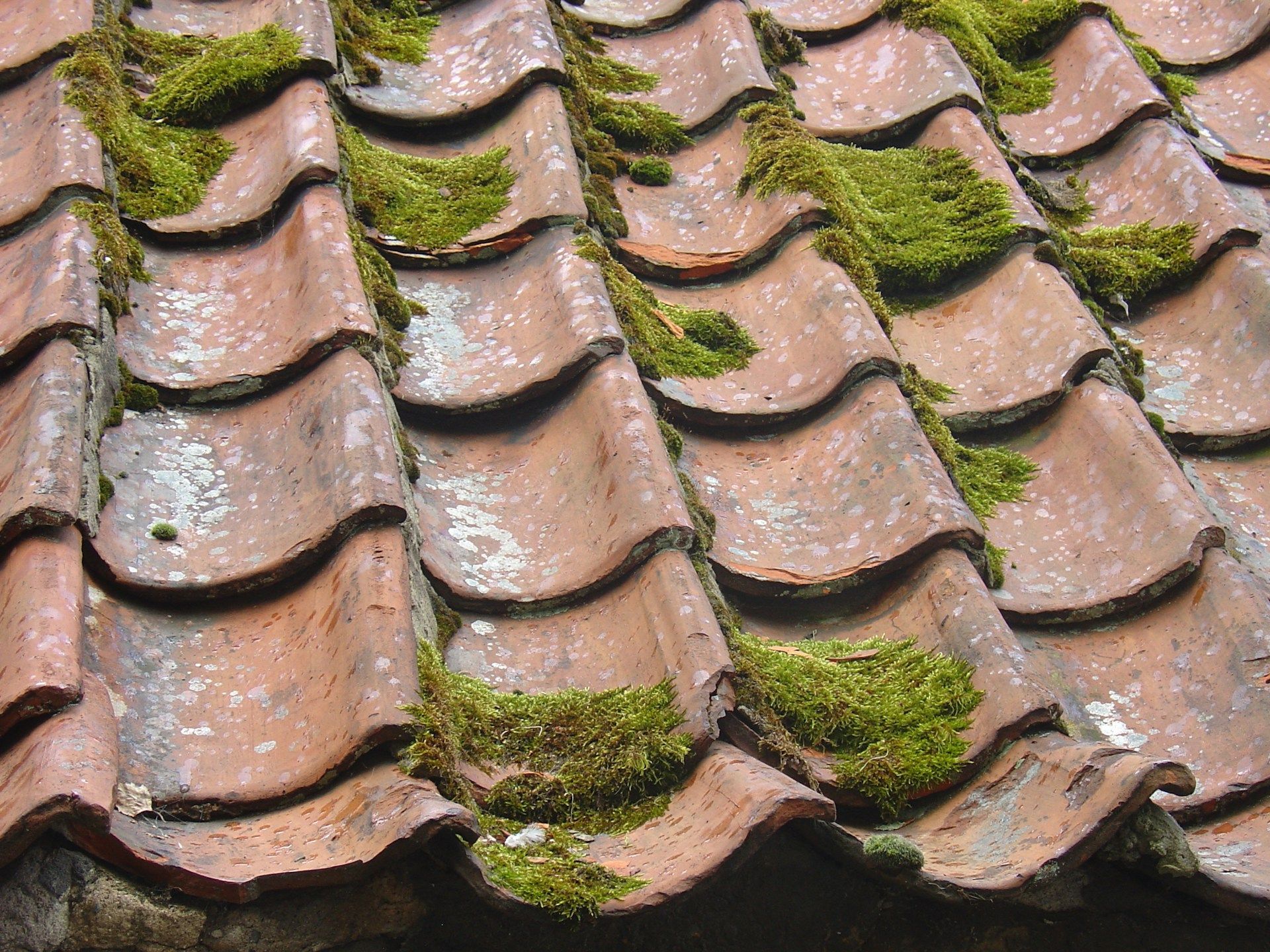
High winds can affect every type of roofing system. Shingle roofs may have missing, curled, cracked, or lifted shingles. Tile roofs can have broken or shifted tiles, while metal, foam, and flat roofs may show punctures, loose flashing, or worn protective coatings.
From the ground, watch for these warning signs:
- Roofing materials or broken tiles on the ground
- Loose flashing near roof edges, vents, or chimneys
- Debris collecting in gutters, valleys, or drain areas
- Bent metal components, torn coatings, or exposed underlayment
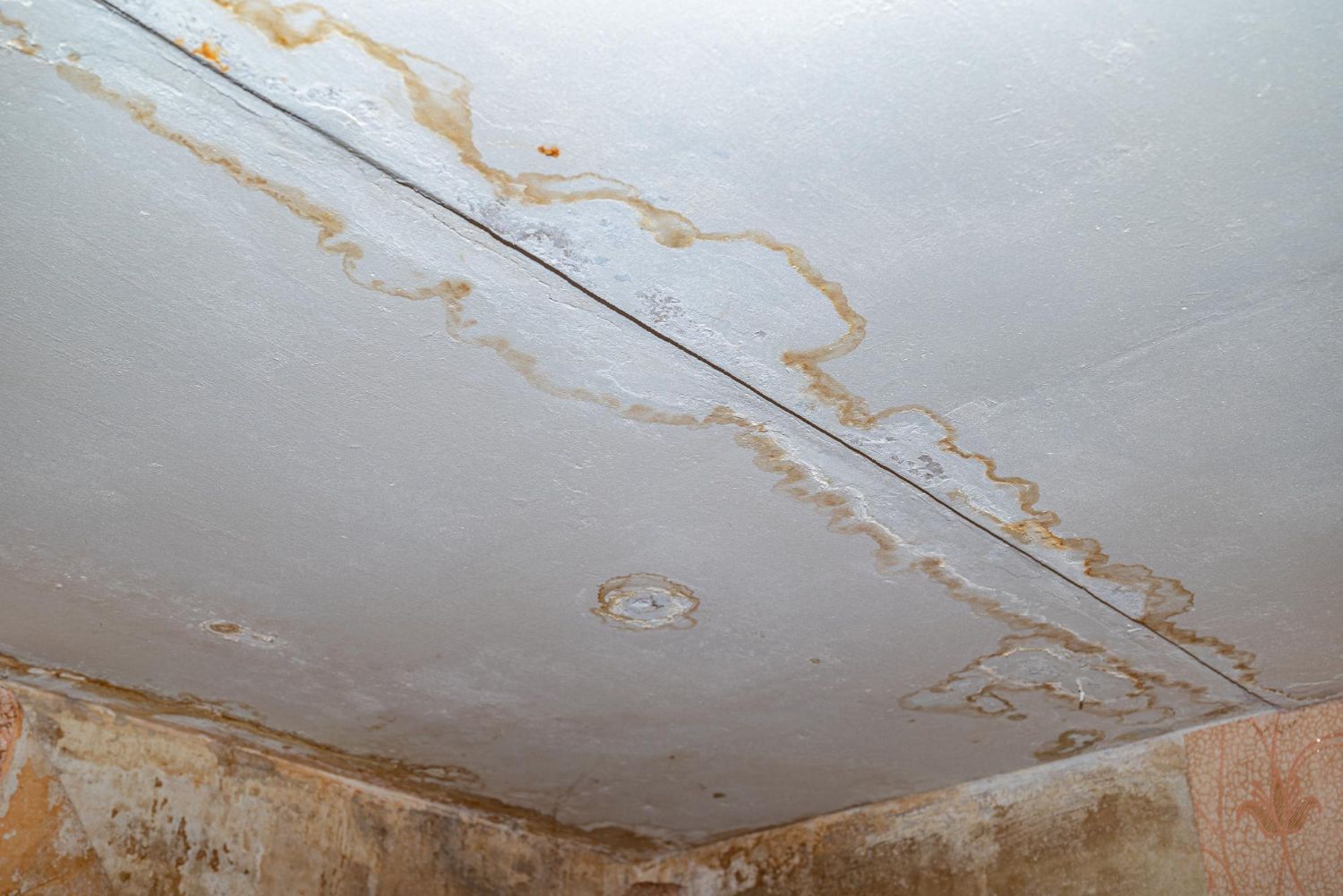
- Water spots or peeling paint on ceilings and upper walls
Drainage deserves special attention. Tucson may not see frequent rain, but a clogged gutter, scupper, or roof drain can hold water in the wrong place when seasonal storms pass through. Standing water can strain roof materials and may lead to leaks inside the building.
Inside, signs of trouble can be quiet at first. You might notice a musty odor, damp insulation, paint that is bubbling or peeling, new ceiling stains, or increased indoor humidity. For commercial and industrial properties, we also recommend checking warehouse ceilings, parapet walls, upper wall areas, and spaces below rooftop equipment. These clues can point to hidden moisture before it spreads.
Check Areas That Take the Most Wind Stress
Roof edges, ridges, vents, skylights, chimneys, and flashing are exposed during a dust storm. Wind can work under loose materials and weaken sealants around openings. Once that happens, wind-driven rain and more debris can find a path beneath the roof covering.
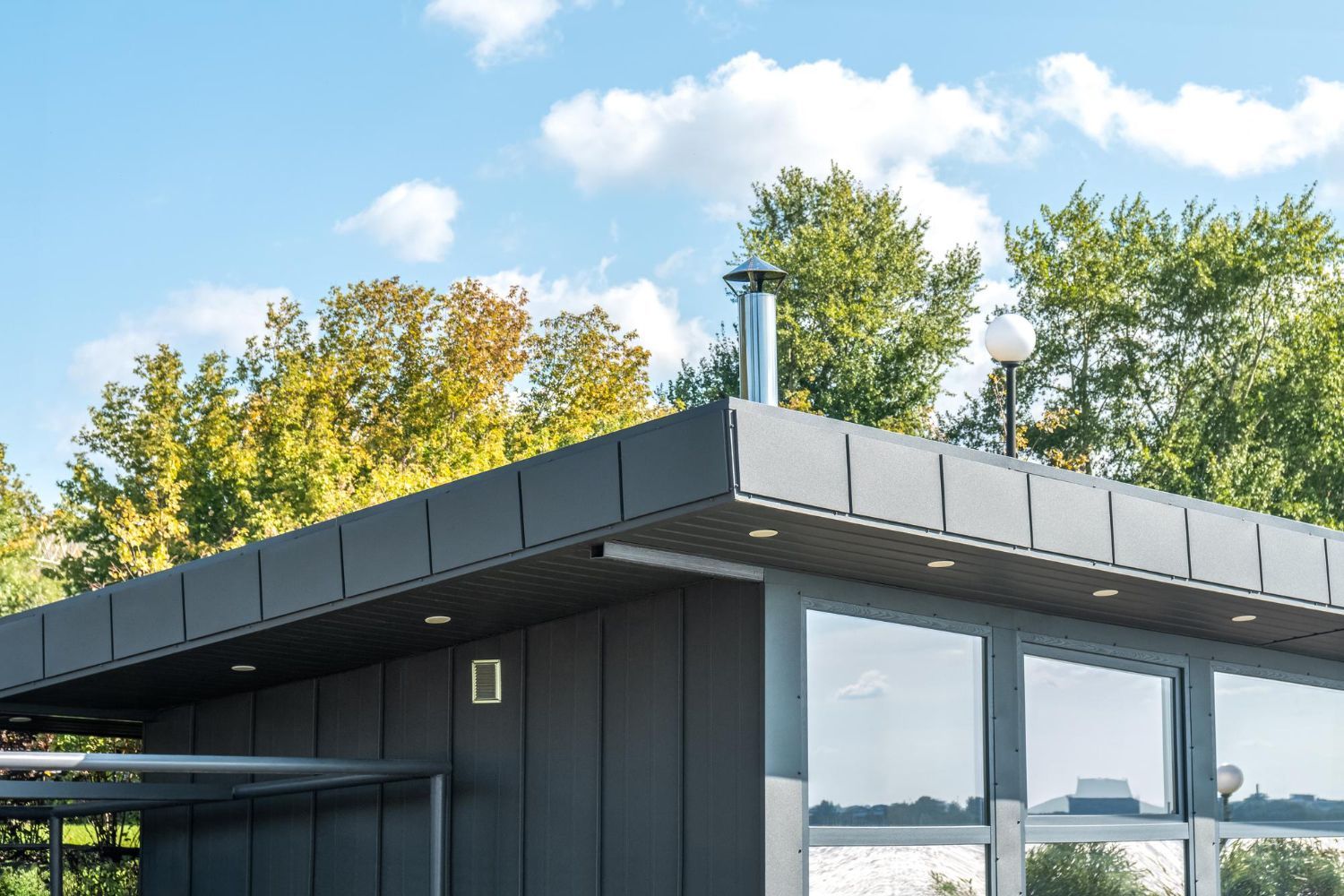
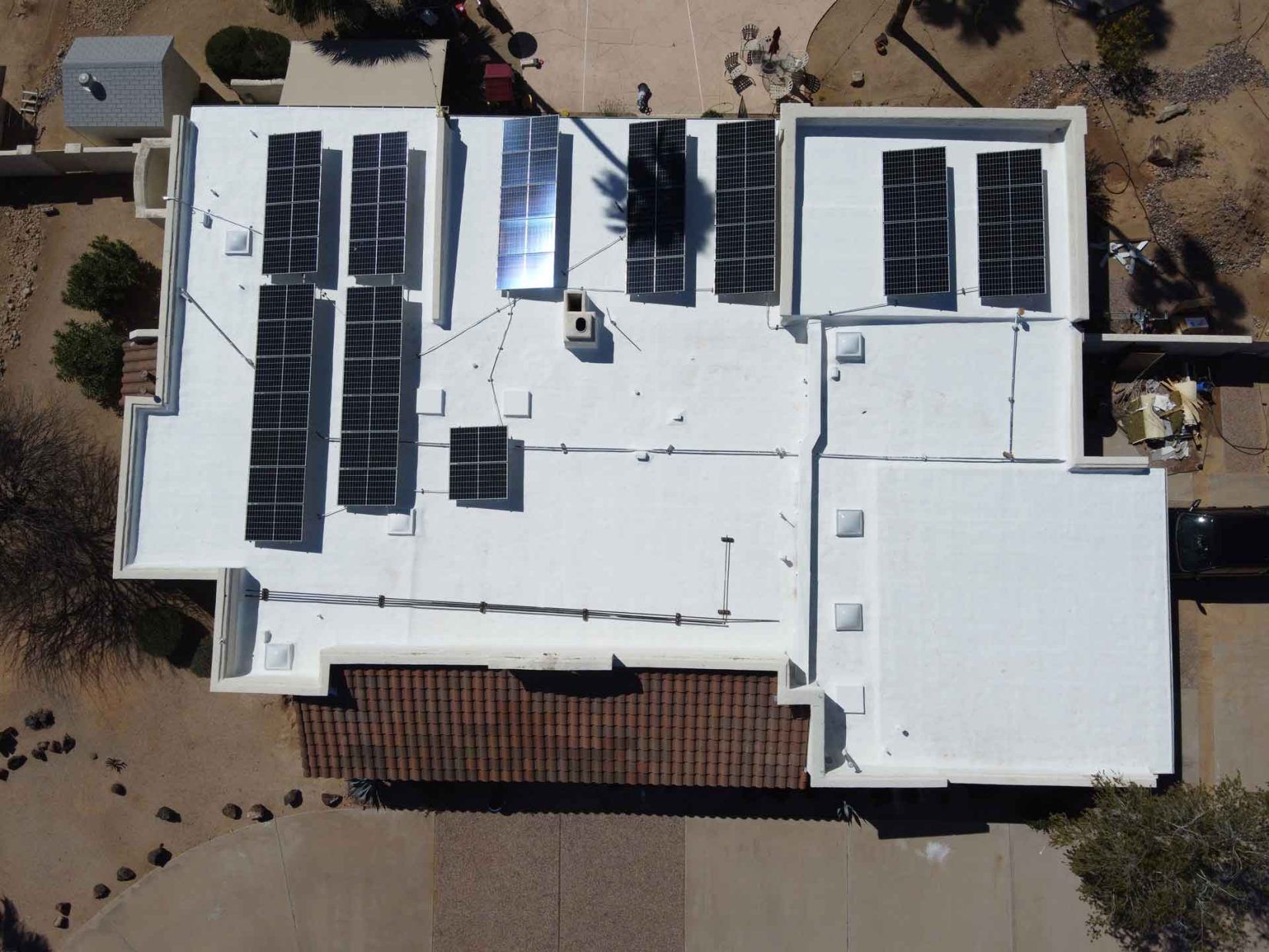
Flat and low-slope roofs need close attention after heavy wind. These roofing systems are common on commercial, industrial, and multifamily properties, and debris can collect around drains and scuppers. Flying objects may puncture membranes or damage protective coatings. Water that remains on the roof after a storm can signal a drainage problem that should be addressed promptly.
Rooftop equipment can also create vulnerable areas. Solar panel mounts, HVAC curbs, satellite equipment, and other mechanical units have flashing or seals around their bases. Dust and debris can gather there, while strong wind can loosen surrounding materials. Rather than climbing onto the roof, we recommend having a qualified contractor inspect these areas safely.
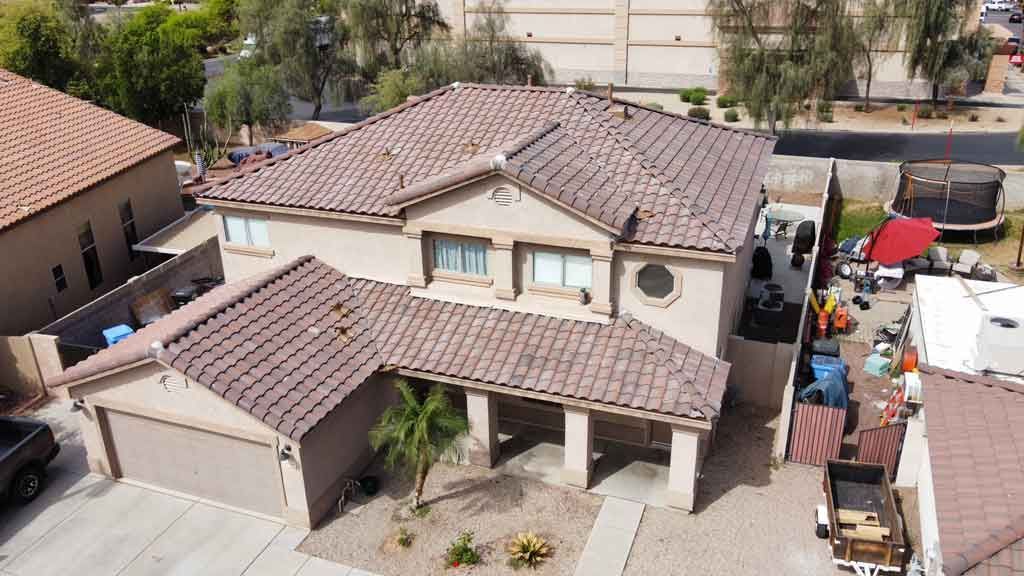
Tile roofs deserve a careful look as well. A tile can crack, shift, or break without showing an immediate leak inside. Replacing damaged tiles and checking the materials beneath them can help protect the larger roof system before the next round of rain.
Know When Professional Repairs Are the Safer Choice
Some storm damage should not wait. Active leaks, visible holes, missing roofing materials, blocked drainage, fallen limbs, sagging sections, and damaged flashing all call for prompt professional attention. A small opening can allow moisture to travel farther than expected, affecting insulation, ceilings, walls, and stored belongings.
While you wait for an inspection, focus on protecting the inside of the property. Move valuables away from wet areas, place containers under drips, and make notes about where and when you first noticed the issue. Avoid walking on a wet roof or using household sealants that may not work with your roofing system.
For insurance-related damage, keep organized records. We suggest saving photos, noting the date of the dust storm, retaining repair estimates, and waiting for your insurer's direction before throwing away damaged materials. Professional inspection notes can help show whether wind, debris, or storm conditions contributed to the repair need.
A thorough inspection can uncover issues that are easy to miss from the ground. Our team works with residential, commercial, and industrial properties, and we can assess roof coverings, drainage areas, flashing, penetrations, and storm-related wear. We serve properties throughout Tucson, Phoenix, Gilbert, and surrounding Arizona communities.
Plan Fall Maintenance for Lasting Protection
Fall is a smart time to address roof concerns left behind by summer dust storms and rain. A maintenance visit can clear debris, check drainage routes, inspect flashing, evaluate sealants, and look for damage to shingles, tiles, metal panels, foam roofing, or low-slope membranes.
For larger commercial roofs, maintenance should also include parapet walls, expansion joints, rooftop equipment, and low areas where water may collect. Regular attention can help catch small concerns before they turn into widespread moisture damage.
A practical roof maintenance plan may include:
- Seasonal inspections for residential properties
- Post-storm inspections after major wind events
- Debris and drainage checks for flat or low-slope roofs
- Flashing and sealant reviews around roof penetrations
- Planned maintenance based on roof age, size, material, and exposure
Fast action after a Tucson dust storm can protect your roof, your indoor spaces, and the long-term condition of your property. Even when damage is not obvious, a professional assessment can identify weak spots before the next rainfall turns a minor concern into a leak.
Protect Your Home Before the Next Storm
Prowest Roofing is ready to help you address storm-related concerns with reliable
roof repair in Tucson. Our team can assess your roof’s condition and recommend practical repairs for lasting protection. Take the next step toward a stronger, more secure home today.