ROOFING AND RESTORATION BLOG

Key Takeaways
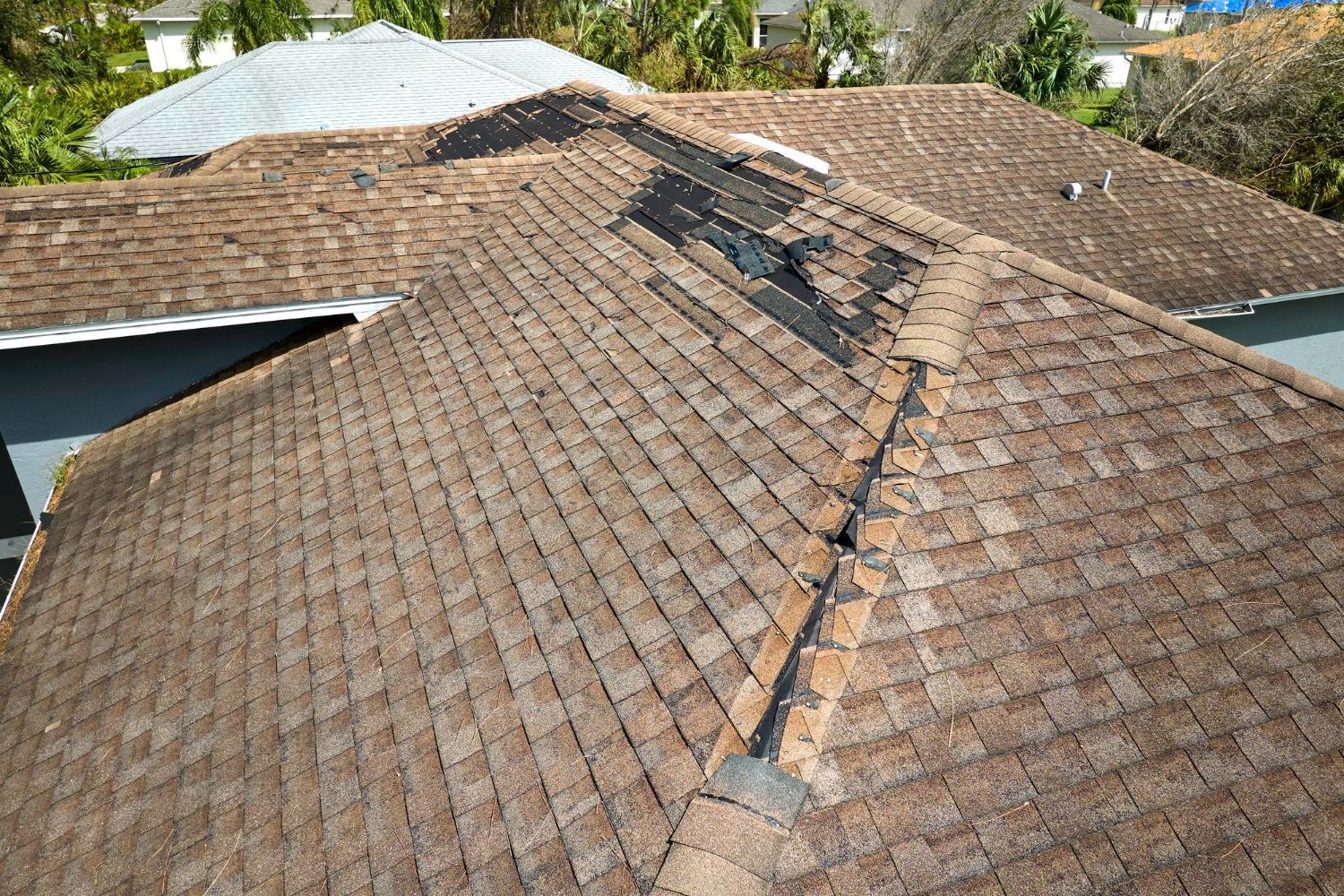
- According to NOAA, winds driven by the monsoon can gust 50-60 mph, strong enough to rip shingles and propel debris directly through your roof.
- Roof storm damage is rarely an unexpected thing. It typically originates from an area of your roof that was already troubled.
- A pre-monsoon check may be the cheapest insurance against roof destruction any boss ever sold you.
Introduction
One minute the sky's clear. Next: 60 mph wind ripping the dust and debris across your roof. That is the speed at which Arizona monsoon roof damage occurs. The good news? The trick with roof storm damage is that most of it is completely avoidable, provided you identify the weak points before the wind does.
Why Arizona Roofs Take Beating Each Summer?
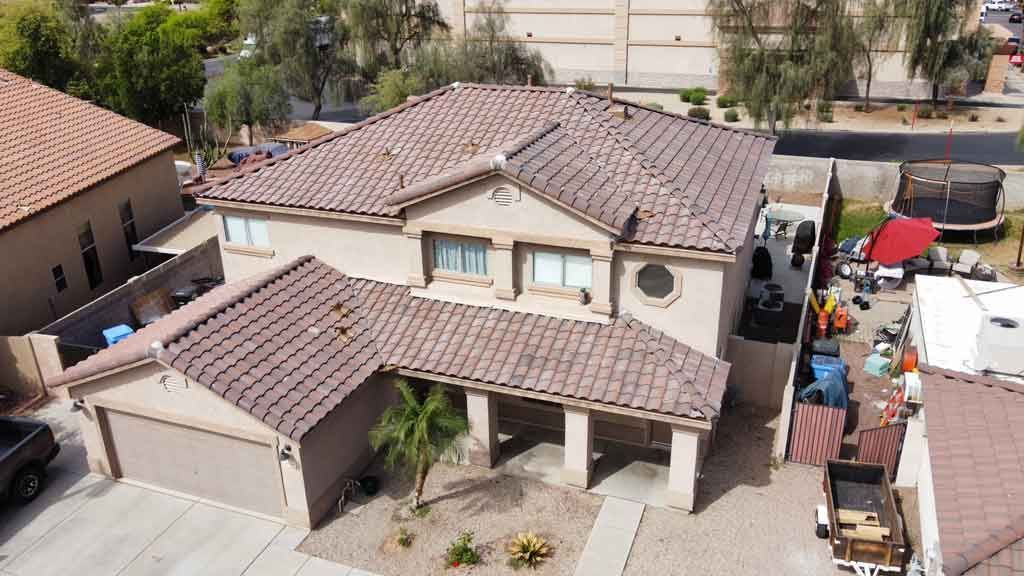
June through September is monsoon season, and that means severe wind gusts, flash floods, and damaging debris all within hours. According to NOAA, monsoon-driven haboobs can generate 60 mph winds, enough to lift dust into a 1-mile-high wall (source). That type of wind doesn't require much of an opening for it to wreak havoc on your monsoon roof. Just a buckled edge of a shingle or slipping tile will do.
Storm Roof Damage: The True Cause
Normally, it takes a few monsoon storms to destroy a healthy roof. It reveals existing problems that just happened to be lying quietly. These are the points of entry a storm will exploit — cracked flashing, worn sealant, even a shingle that has been lifting for months. The pattern shows up again in our inspections after major storms: the damage leads to something that has been neglected.
Pre-Monsoon Roof Checklist
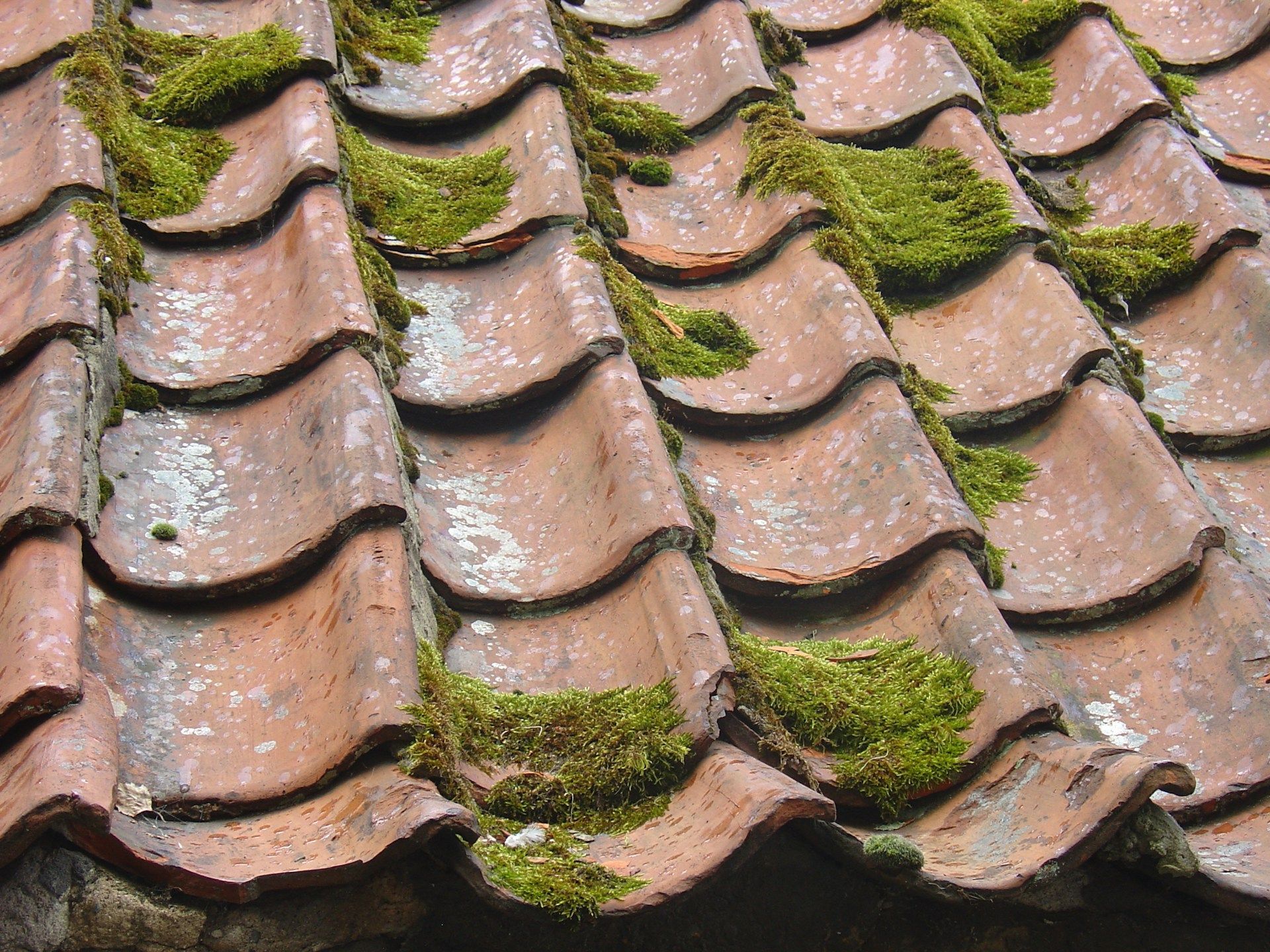
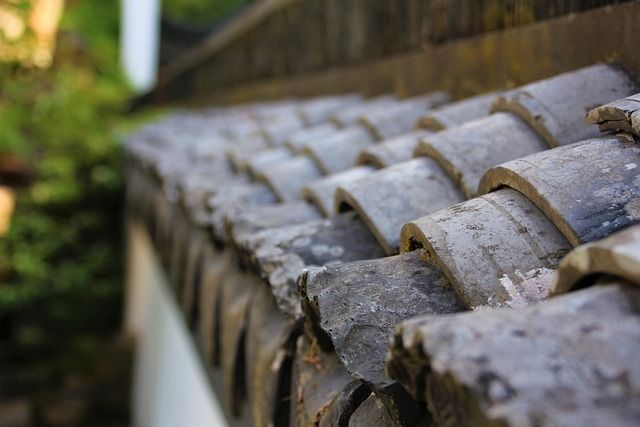
Inspect your shingles and tiles: Check for anything curled, cracked, or missing. One loose tile in strong wind becomes a projectile.
Clear your gutters and drains: Blocked drainage is one of the most rapid routes to monsoon storms ruining roofs, as water accumulates rather than drains.
- Inspect flashings around roof wall intersections and chimney: These joints are hot spots for leaks as soon as rain starts rolling sideways.
- Trim overhanging branches: Mature trees around homes are a main cause of damage to roofs during a storm by wind-driven limbs.
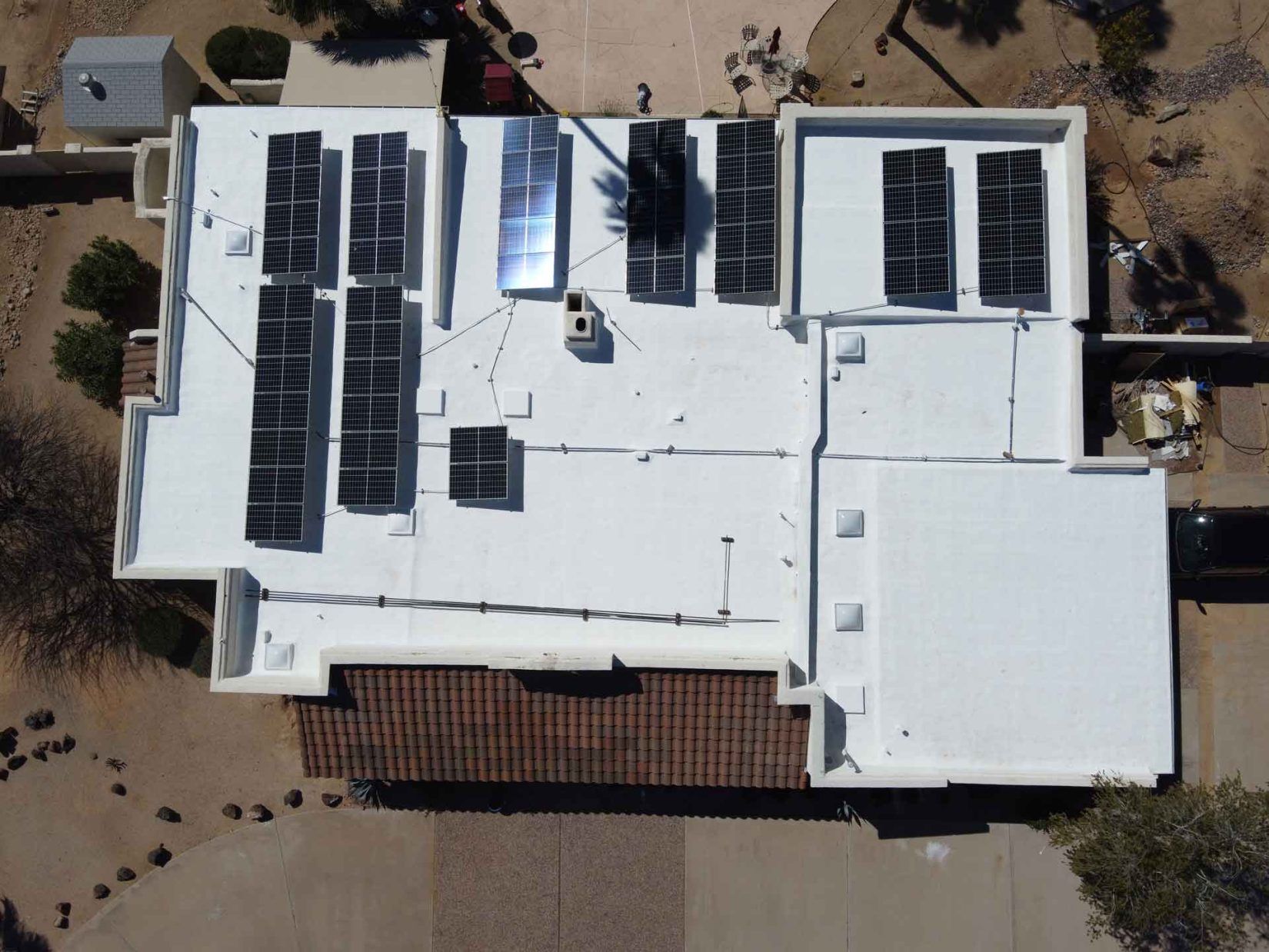
- Secure loose fixtures: And before those winds make it otherwise too late, anything bolted to your roof satellite dishes and solar mounts included, had best get a sealed-tight connection.

What Happens If You Skip Prep?
Not only does skip a pre-season check-up increase your chances of storm damage, but it will also make claiming your insurance tricky if the worst happens. Insurers often ask whether the roof was in a good state beforehand. A written inspection provides you with a definitive answer plus also gives you a paper trail document. Without one, you are both playing a guessing game, and so is your adjuster.
After the Storm: What to Check First
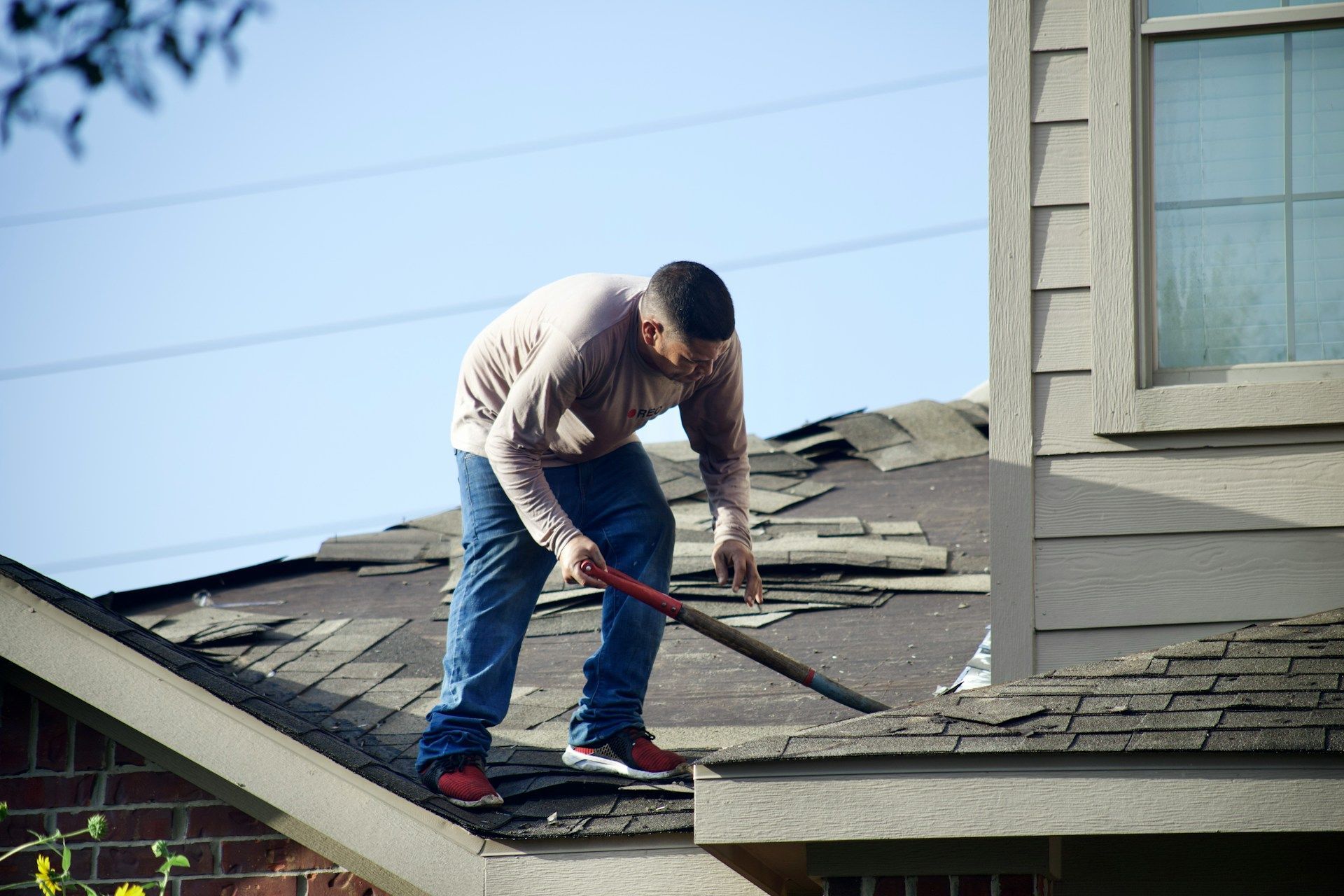
Feel the wind; if it is calm, go for a walk near your property before going to climb near the trench roof. Check for fallen lines, lying tiles on the floor, and standing in water near your home. Photograph anything off, ceiling stains, missing shingles, dented vents, the moment you step on the house. If filing a roof damage claim from monsoon storms later, that documentation will be important.
Why a Professional Inspection Beats Guesswork?
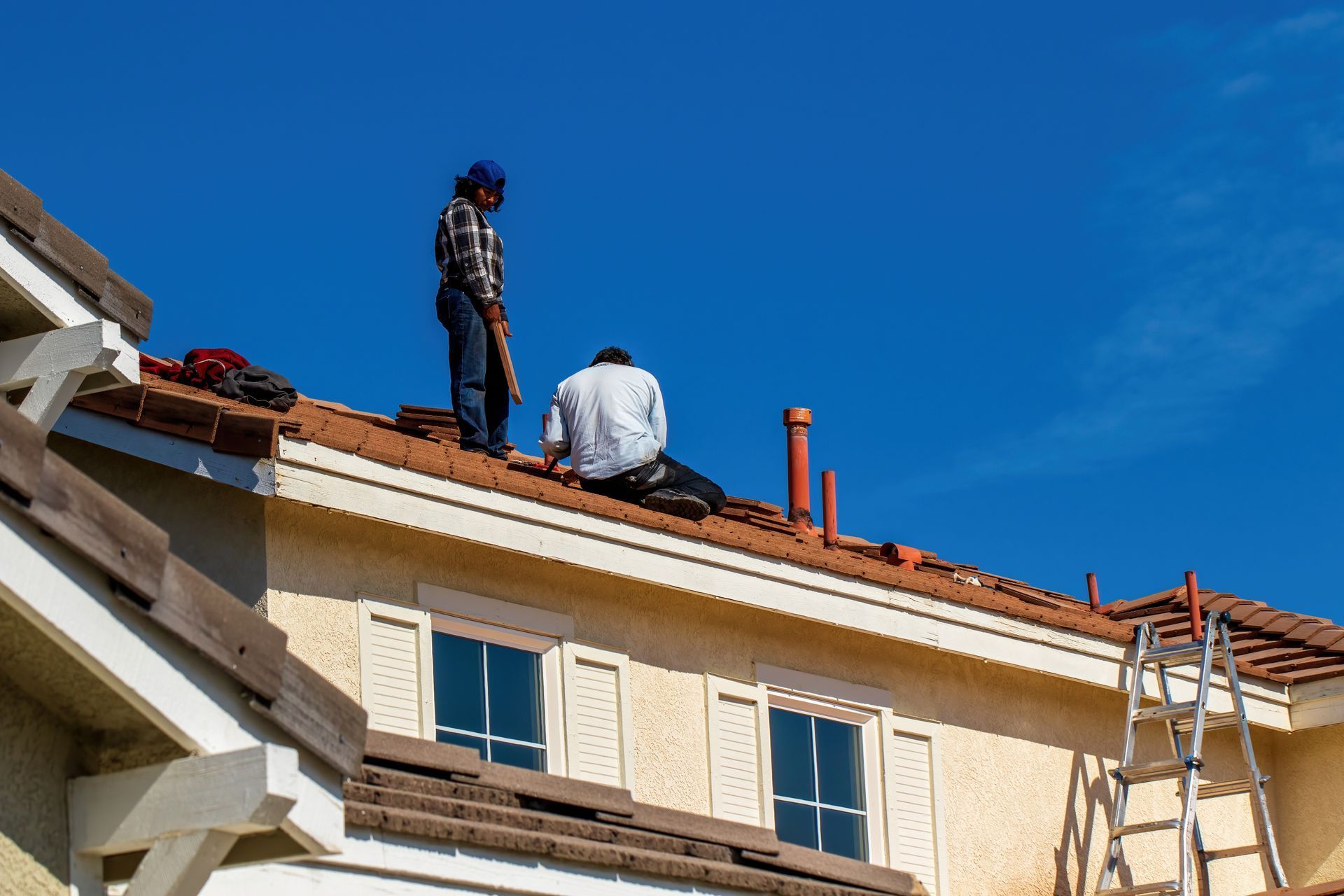
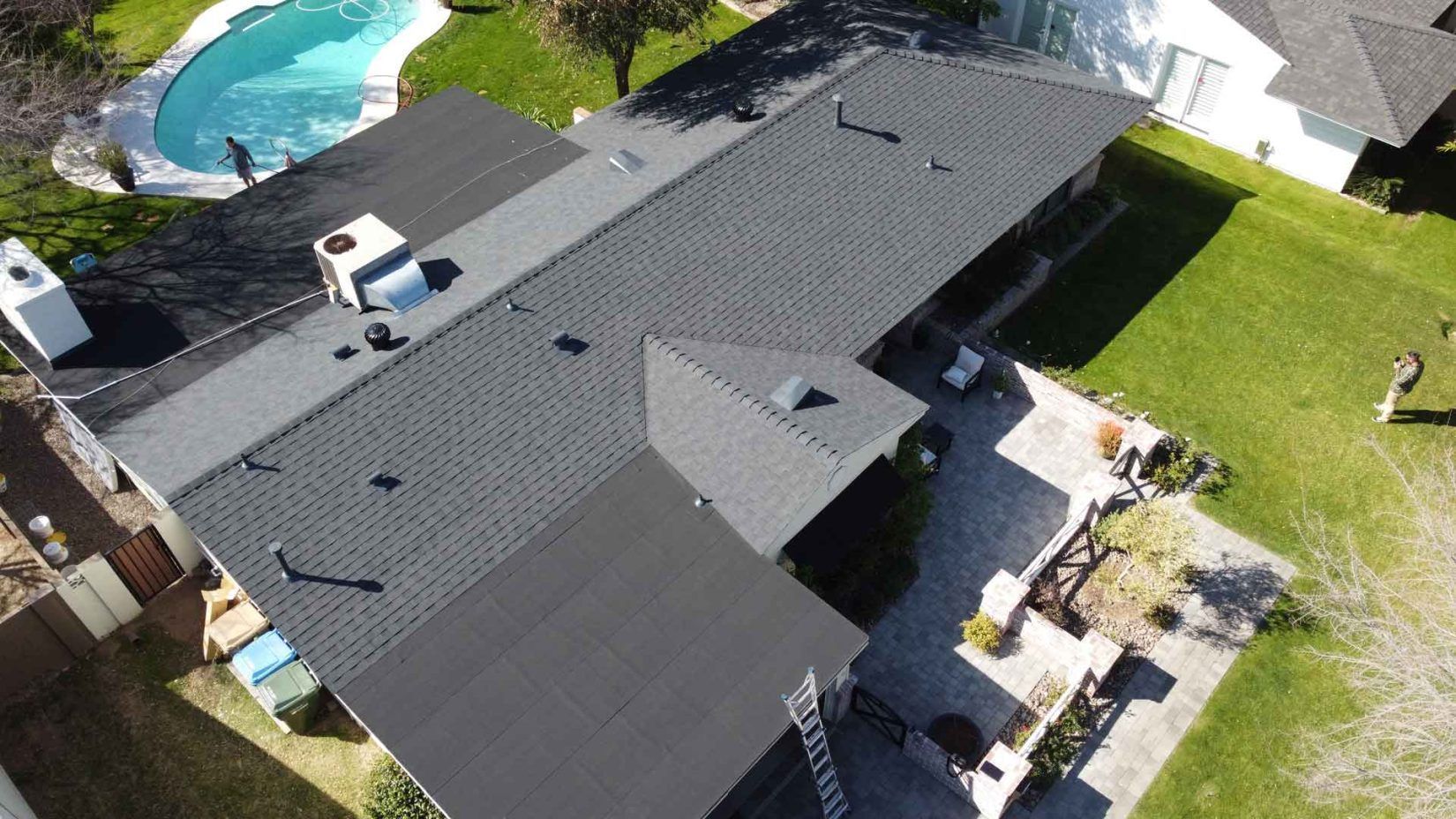
What the homeowner walking around and looking only at the yard misses, a trained eye catches. Hairline cracks in tile, raised flashing, and soft spots in decking do not. An inspection done by a licensed roofer before the first big storm and not after is just what you need to know exactly where your roof is prior.
The Bottom Line
You can't skip monsoon in Arizona, but monsoon storm roof damage is usually optional. The vast majority of what we see could have been caught weeks ago, but a fast check now is far less than full repair when the wind has already done its thing.
Storms don't wait, and neither should your roof.
So beat the next haboob to your weak spot with a free monsoon roof inspection courtesy of ProWest.
SCHEDULE YOUR INSPECTION →
Frequently Asked Questions
1. When does monsoon season start in Arizona?
The National Weather Service designates it from June 15 through September 30; however, the most powerful storms usually occur in July and August.
2. Does wind cause roof damage without hail?
Yes. In addition, high winds can lift shingles and tiles, creating gaps in your roofing material, plus wind-driven debris does not require a single hailstone to be effective.
3. How often should I get my roof inspected before monsoon season?
Once a year, preferably in late spring, allows you to take care of minor problems before they are transformed into serious misfortunes once the major storm arrives.
4. Does homeowners insurance cover storm damage to my roof?
Policies will generally cover sudden wind and storm damage, but the insurer might reduce or reject the payout if a roof was in bad condition beforehand.
5. What Should I Do After the Storm Hits My Roof?
Take ground photos of the damage (don't climb onto a wet or damaged roof! ) and hire a licensed roofer to conduct a professional inspection before filing your claim.