ROOFING AND RESTORATION BLOG

Energy-Efficient Roof Replacement Options for Arizona's Extreme Heat
August 14, 2026

Key Takeaways 


  • The best roofing material for Arizona heat is the one that reflects solar energy rather than absorbing it. 
  • Roof replacement is one of the most effective renovations available, and your investment in it, along with energy-efficient roofing AZ upgrades, will generally pay itself back after 4 to 7 years. 


Introduction 


Arizona roofs are not just the victims of the sun, but its echo. After all, the key to conquering triple-digit summers isn't a bigger AC unit, but energy-efficient roofing that reflects heat rather than absorbing it. Asphalt shingles, tile, and coated metal all qualify as energy-efficient AZ house roofing materials; however, the best roofing material for the intense warmth in Arizona can reduce cooling expenses even before summertime arrives in full swing. 


Why Arizona Roofs Need a Different Approach 


Standard asphalt shingles heat up all day and continue to radiate that heat into your home long after the sun sets. When we work on Valley homes, we've noticed attics cool noticeably in just a few days after upgrading properly. The solution isn't just a lighter shade. Created for reflectivity and endurance under UV Stress that most states barely see, it is the perfect energy-efficient roofing. 


What Makes a Roof Efficient in Arizona 


Energy-efficient roofs, on the other hand, reflect solar heat, quickly release whatever they do absorb, and endure repetitive thermal expansion. What matters are the numbers: solar reflectance and thermal emittance. A roof with high ratings on both runs cooler far more than a typical black shingle under the same sun. 


A cool roof can save 15 percent of air conditioning energy needs on a one-story building, according to the Environmental and Energy Study Institute (source). That's actual cashback every month and not some marketing footnote. 


Best Roofing Material for Arizona Heat: A Quick Breakdown 


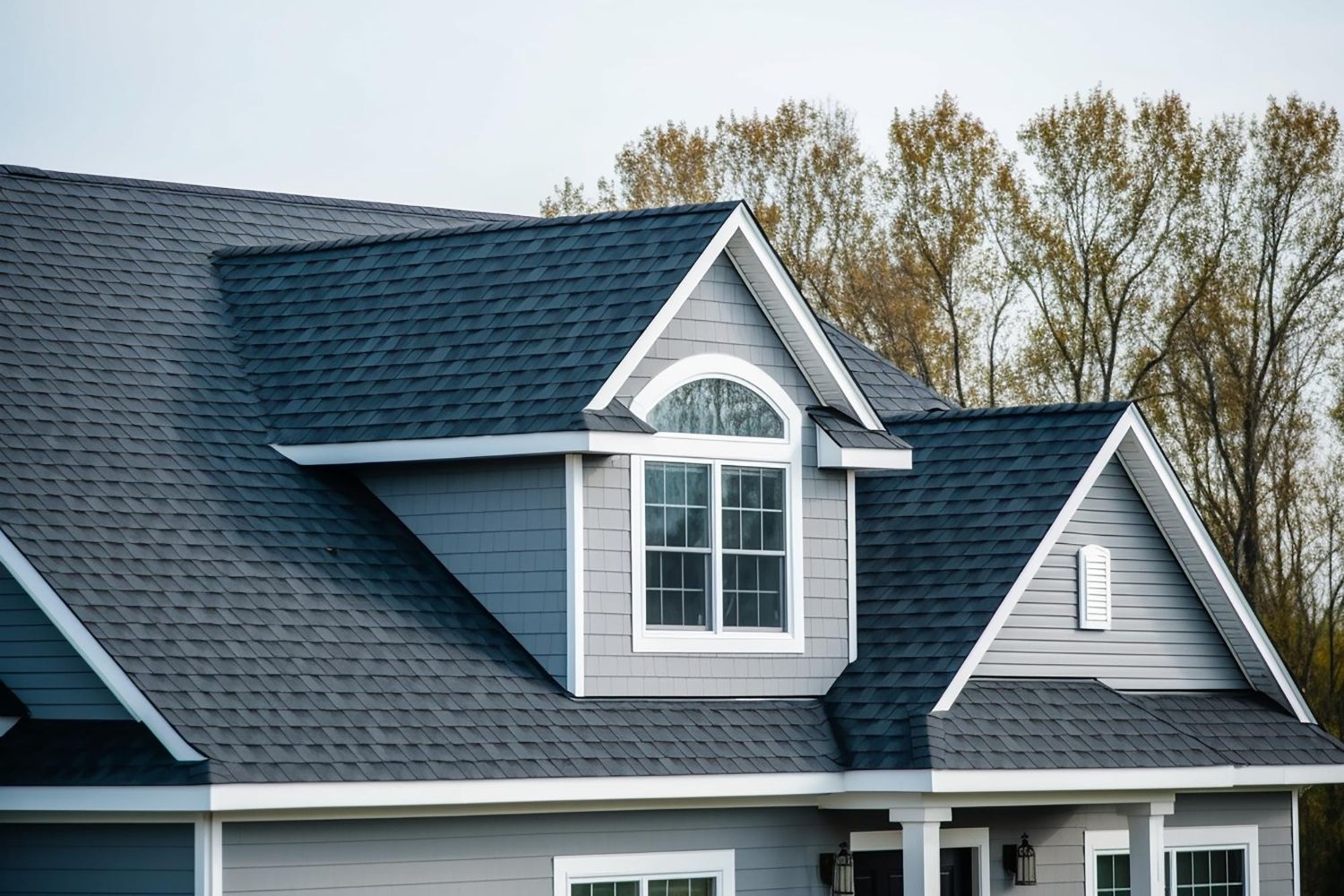
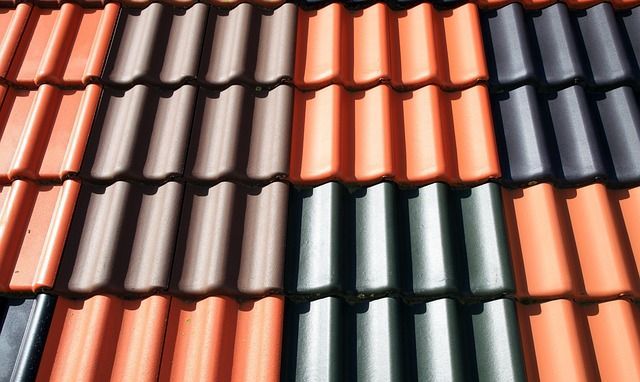
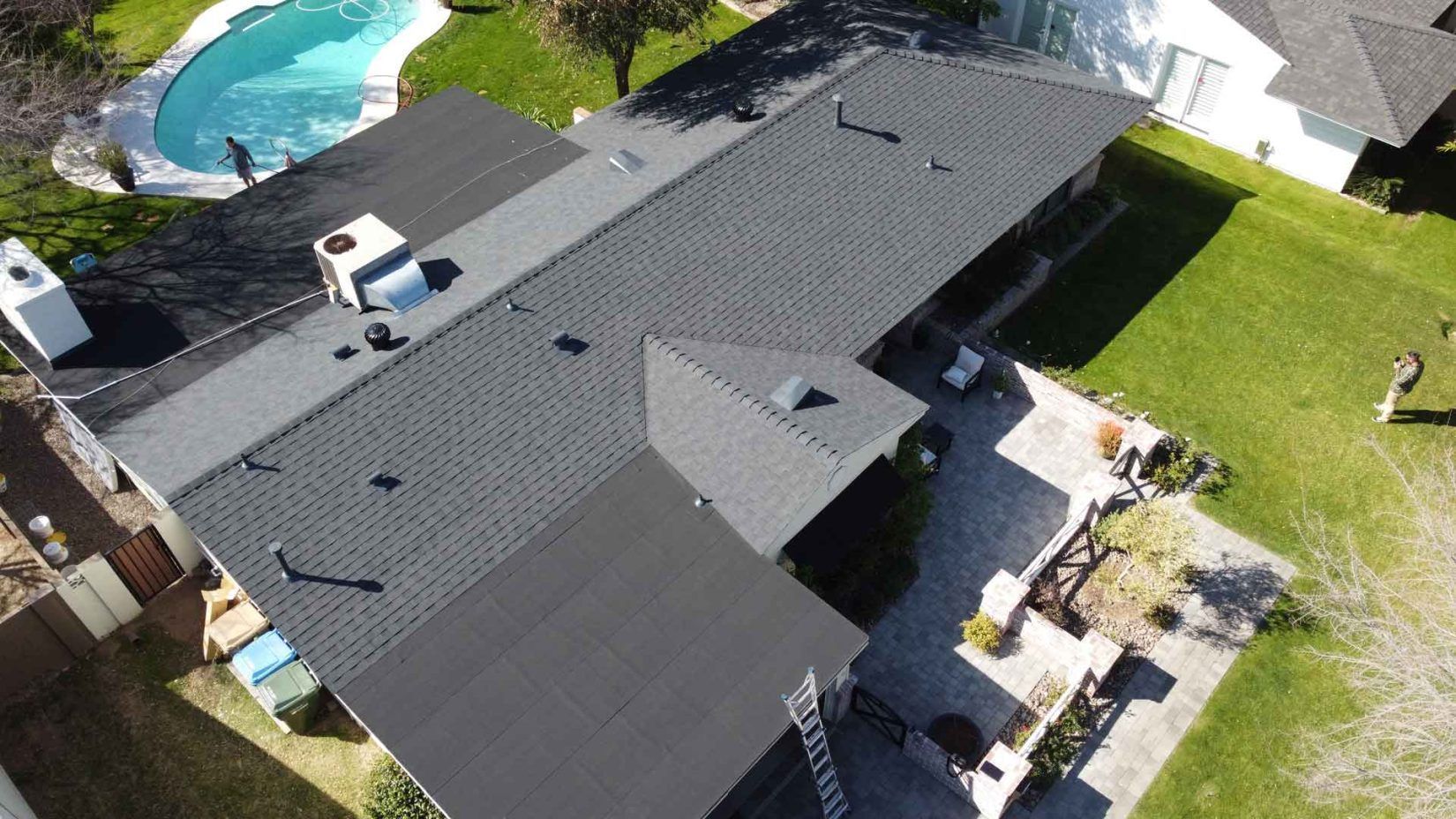
To achieve the cool look, asphalt shingles use reflective granules baked into the surface, allowing you to maintain the classic shingle look without sacrificing performance. Good entry point for first upgrade 


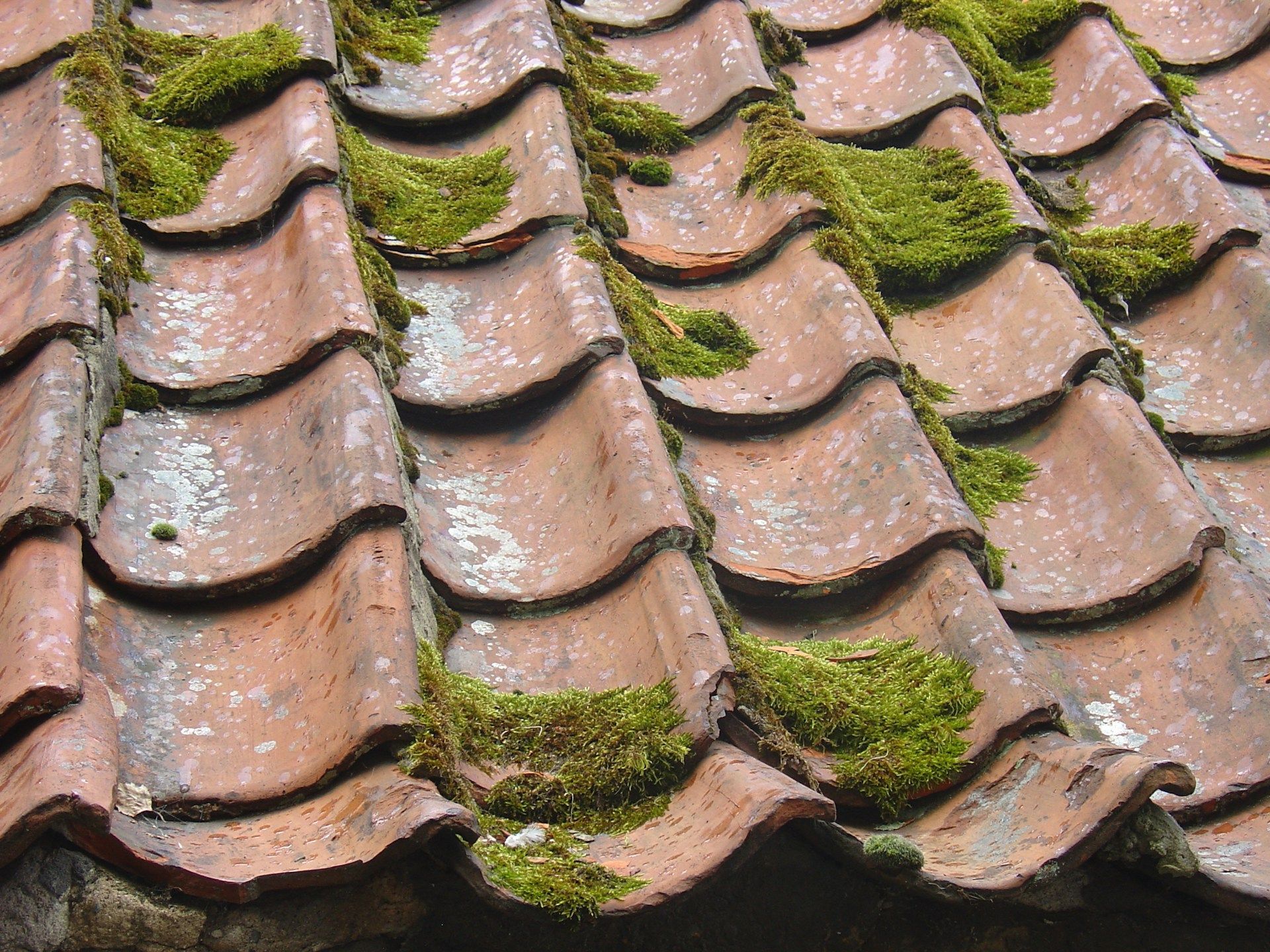
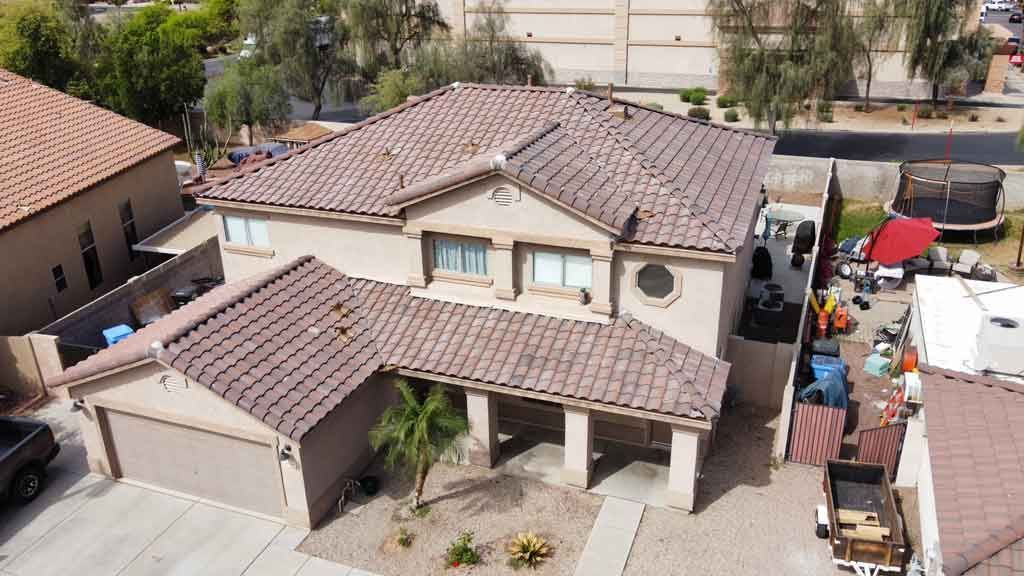
It is naturally cooler, with airspace underneath providing a self-thermal break. It's been an AZ favorite for a good reason 


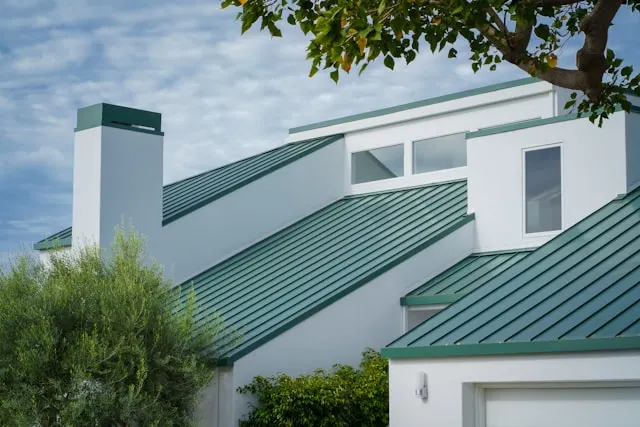
Metal roofing is frequently covered with reflective coating, which bounces solar radiation back to the sky and releases heat quickly after sunset; asphalt, on the other hand, retains heat. 


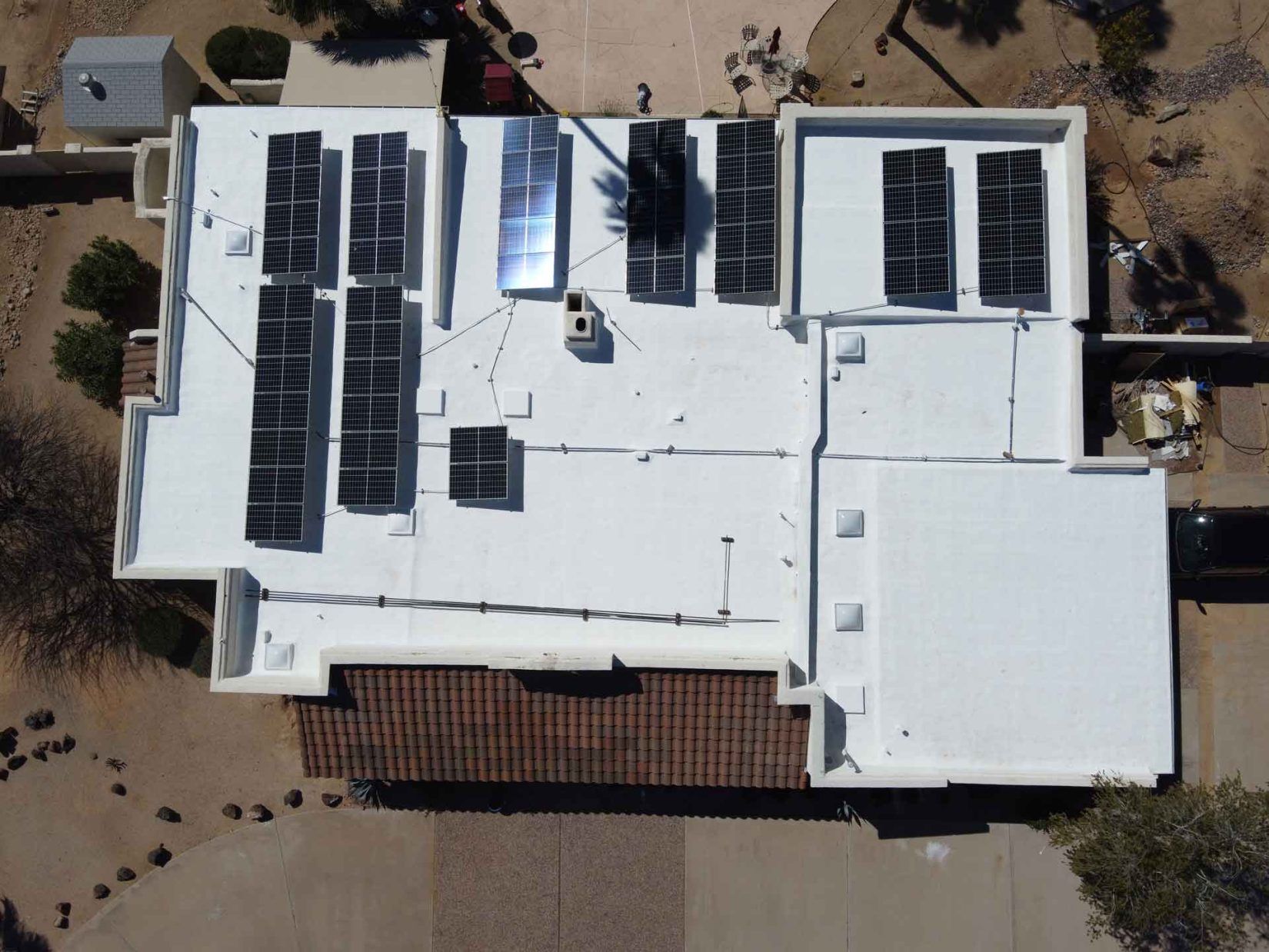
Foam roofing systems, often seen on flat roofs, produce a single-piece, insulated surface where very few seams are left for warm air to slip through. And we have used this on multiple commercial jobs around the Phoenix metro with excellent success. 


Signs Your Roof Is Working Against You 


  1. Upper-floor rooms feel hotter than the rest of the house. 
  2. Your AC cycles on more during peak afternoon hours. 
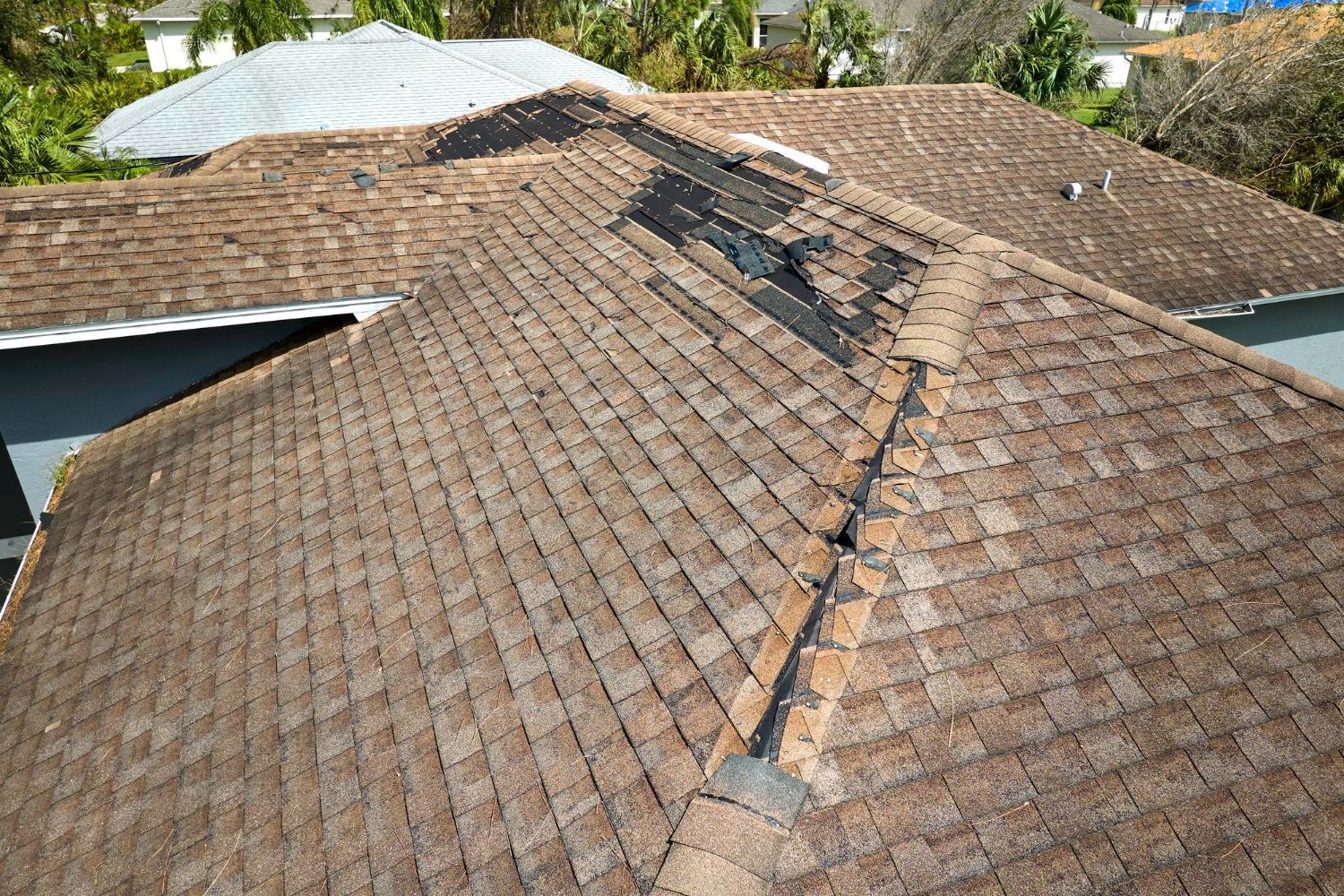
  3. Your roof shingles are showing signs of wear - they look faded, curled, or brittle at the edges. 
  4. You've noticed that your summer electric bill is getting higher, even though you're not using more electricity than you usually do. 


If you've noticed two or more of these issues, it's probably because your roof is causing trouble. 


What to Ask Before You Replace 


When looking into a new roof, don't just take the manufacturer's word for it - ask for the actual solar reflectance and thermal emittance ratings of the product. It's not enough to just claim it's energy efficient; you want to see the numbers. 


And don't forget to ask how it holds up after being exposed to the harsh Arizona sun - reflectance can fade over time, which affects its performance. Also, find out if the company addresses attic ventilation as part of the installation, because even the best roofing material won't work properly without good airflow. Proper ventilation is key to getting the most out of your roof. 


Getting the Investment Right 


Efficient roofing AZ projects cost more upfront than a basic shingle swap, but the math works out. Between lower cooling bills, possible utility rebates, and a roof degrading less under UV exposure, most homeowners recover the price difference within a decade. 


 A common mistake people make is going for the cheapest option without checking the reflectance specs, and that can lead to a roof that ends up costing them more in energy bills down the line than they actually saved when they first installed it. This is because a roof with poor reflectance can absorb a lot of heat, making your air conditioning work harder and driving up your energy costs. 


The Bottom Line 


When it comes to choosing the right roofing material for Arizona's scorching heat, it's not just about how it looks - it's about finding something that can actually withstand the sun's intense rays. You want a material that's going to be energy efficient, not just sit there and take the heat. 


So, whether you're thinking about shingles, tile, metal, or foam, it really depends on your specific situation - what kind of house you have, how much you're willing to spend, and how long you plan on staying there. The best way to figure out what's going to work best for you is to get a proper inspection done - that way, you can get a sense of what's actually going to fit your house and your needs. 


Don't let Another Summer Cook Your utility bills


Call ProWest today to get your free roofing estimate and discover what energy-efficient option works best for your home with minimal damage to your pocketbook. 


GET A FREE ESTIMATE → 


Frequently Asked Questions 


1. Does a lighter-colored roof actually make a difference in Arizona? 


Yes. Reflective surfaces absorb less solar heat than dark ones, reducing how hard your AC has to work during summer. 


 2. How long does an energy efficient roof last in Arizona's climate? 


A good quality cool roof, like tile or coated metal, can last a long time - typically between 25 to 50 years - if it's put in properly. In fact, it usually lasts longer than a standard asphalt roof. 


3. Is a reflective roof worth it for a single-story home? 


Homes with just one story can save a lot on cooling costs because the roof is right above the rooms where people live. 


4. Can I coat my existing roof instead of replacing it? 


It's a good idea to get a professional to check your roof, especially if it's flat. They can tell you if you just need to add a special coating or if you need to replace the whole roof. 


5. Do these roofing upgrades qualify for rebates in Arizona? 


Before you begin your project, investigate the current rebate programs being offered by some utility providers and manufacturers for qualifying reflective products. You might be able to get some money back, so it's worth checking out what's available right now. 
Recent Posts

August 14, 2026
Learn what Arizona homeowners should know before installing solar panels, including roof condition, compatibility, installation, maintenance, and costs.
August 14, 2026
Prepare your Arizona roof for monsoon season with practical tips to prevent leaks, wind damage, drainage issues, and costly storm-related repairs.
Taking a Look at the Various Commercial Roof Types
July 20, 2026
Explore the most well-known commercial roof types. Get to know about their advantages and ideal applications.
Understanding the Commercial Roof Repair Costs for All Arizona Businesses
July 17, 2026
Find out what affects the costs of commercial roof repair in Arizona, including labor, building size, damage severity and roof type.
Ultimate Guide on Roof Leak Repair for Homeowners
July 16, 2026
Learn the common causes of roof leaks, how to spot early warning signs, and the most effective repair solutions to protect your home from costly damage.
Installing a New Roof: An Informative Guide for Homeowners in Arizona
July 16, 2026
Get to know the complete new roof installation process, right from inspection to cleanup. This step-by-step guide can help every homeowner have a good understanding of what to expect during a replacement project.
July 16, 2026
Learn what can happen during a roof replacement process, right from inspections to final cleanup. Follow a step-by-step method to prepare for your roofing project effectively.
July 9, 2026
Follow this residential roofing maintenance checklist with seasonal care tips to protect your Arizona home and extend your roof's lifespan.
June 11, 2026
Learn how to spot early signs of roof damage with our residential roof inspection guide. Help homeowners protect their home before small issues grow.
June 11, 2026
Not sure whether to repair or replace your Arizona roof? Discover key factors to help homeowners make the right decision and protect their investment.
Show More