ROOFING AND RESTORATION BLOG

Commercial Roof Types Explained: Which System Is Right for Your Business
July 20, 2026

Key Takeaways


  • Commercial roofing systems differ greatly in energy efficiency, maintenance needs, cost, and durability. 
  • Single-ply membranes like EPDM and TPO are the most widely used roofing options for commercial properties.
  • The US Department of Energy has said that cool roofing systems can lower roof surface temperatures, helping enhance building energy efficiency. 
  • The best commercial roof depends heavily on the long-term performance objectives, budget, local climate and the building’s structure

.

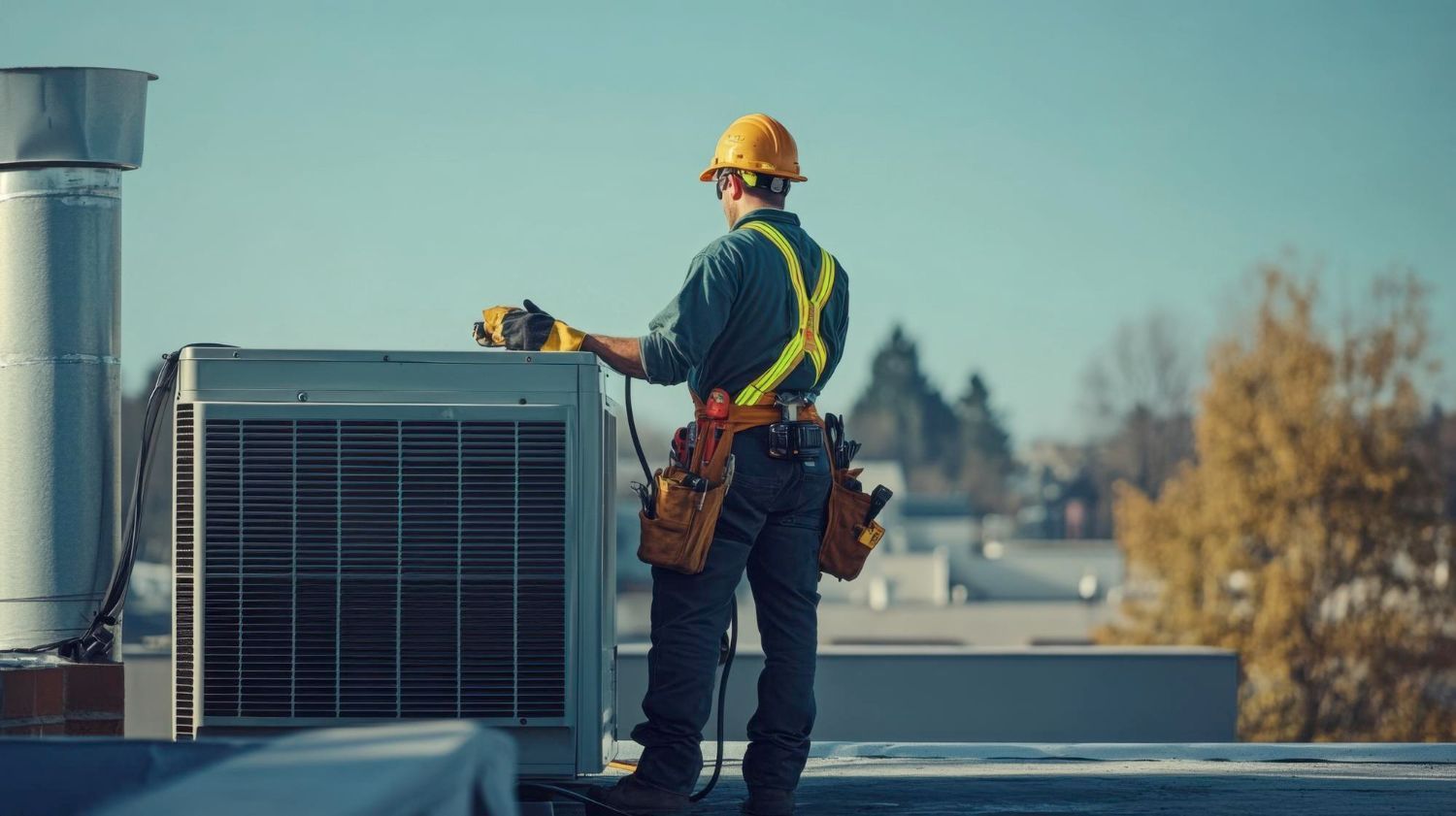
Arizona’s commercial buildings experience some of the harshest weather conditions in the United States. Occasional high winds, monsoon storms, prolonged summer heat, and intense UV exposure can place significant stress on commercial roofing systems. Commercial roofing does a lot more than protect a building from the elements. It also enhances energy efficiency and supports uninterrupted business operations. Picking the correct roofing system can lower maintenance costs and help it withstand Arizona’s demanding climate. This blog explains the various commercial roof types so that you can pick the one based on your needs and budget. 


Choosing the Right Commercial Roof: Why Does It Matter?


Opting for the correct roofing system can have an impact on the lifespan and performance of the building. A poorly suited roof might need periodic repairs, create functional disruptions, and increase power expenses. In contrast, a properly chosen roof can offer years of dependable protection. According to recent searches, cool roofs can stay over 50°F cooler than traditional roofing materials under sunlight. Lower roof temperatures can enhance building efficiency and lessen cooling demands. This makes roofing material selection an essential business decision. 


What Are the Various Types of Commercial Roofs?


You may come across many types of commercial flat roofs, and each of them has its own set of benefits. Here are some of the popular ones:


TPO Roofing


TPO (Thermoplastic Polyolefin) is the most well-known commercial roofing system these days. Opting for this roof type can lead to the following:


  • Inexpensive installation.
  • Energy-efficient reflective surface.
  • Offers robust performance.
  • Resistance to ultraviolet (UV) rays.


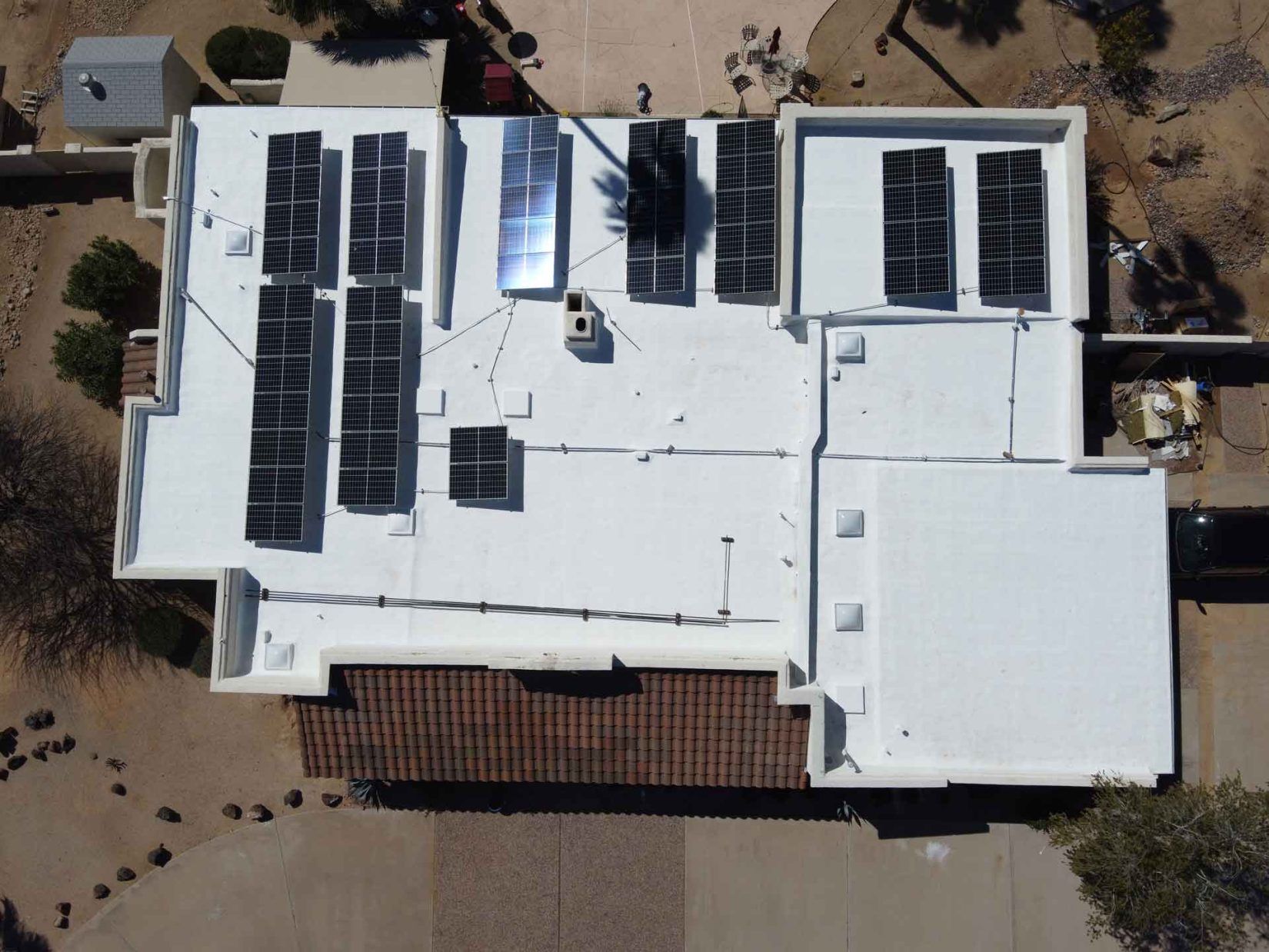
TPO is usually used on industrial facilities, retail centers, office buildings, and warehouses. This roofing system is ideal for Arizona's hot climate because it reflects intense solar heat, can withstand high temperatures, handles monsoon weather, and resists chemical exposure, mold, and dirt. 


Modified Bitumen 


Modified Bitumen roofing system is a multi-layer, durable roofing system that is created for low-slope commercial roofs. It provides outstanding resistance to foot traffic, weather damage, and puncture. Its flexibility can help it withstand Arizona's intense heat and seasonal temperature fluctuations, making it a low-maintenance and reliable option for long-term room protection.


EPDM Roofing


This is also known as rubber roofing, which is a highly durable single-ply membrane. Opting for this commercial roofing system can lead to these advantages:


  • Relatively low maintenance needs.
  • Provides flexibility in changing temperatures.
  • Has a long service life.
  • Offers outstanding weather resistance options.


EPDM performs extremely well in areas that experience temperature fluctuations. 


PVC Roofing


PVC (Polyvinyl Chloride) roofing is known for its chemical resistance and strength. Opting for this roofing system can provide commercial property owners with the following:


  • Energy-efficient reflective properties.
  • Higher durability.
  • Offers a strong waterproofing performance.
  • It is resistant to chemicals and grease. 


PVC roofs are installed frequently on commercial buildings, manufacturing facilities, and restaurants with rooftop equipment. 
Metal Roofing Systems


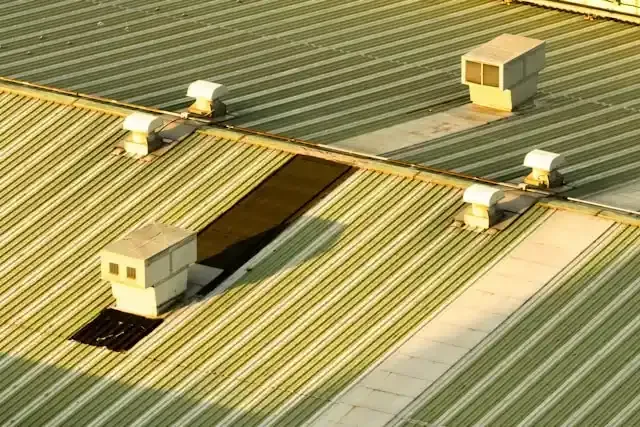
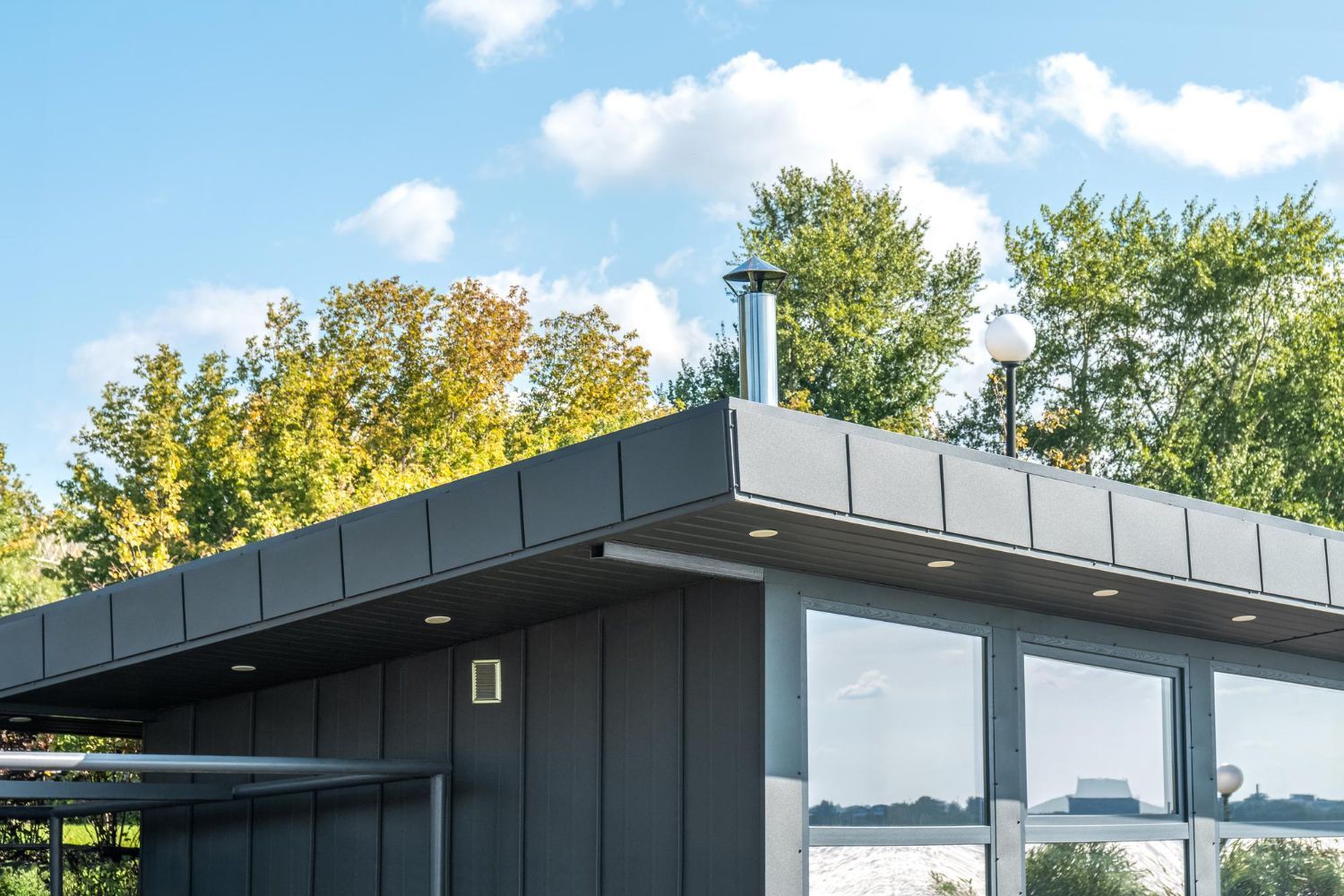
Metal roofing systems are the most durable commercial roofing option available. Many of these roofs can last for many decades when they are maintained properly. They are also highly resistant to severe climate, wind, and fire. Apart from that, these roofing systems stand out for these reasons:


  • They are made of recyclable material.
  • Energy efficiency.
  • Low maintenance needs.
  • Strong weather resistance.


Even though the initial investment might be a bit higher, long-term durability usually offsets the upfront expenses. 


BUR (Built-Up Roofing)


BUR has been used on commercial properties for countless years. This roofing system consists of many layers of reinforcing materials and asphalt that can create a durable barrier. It is also known for the following reasons:


  • Provides long-term performance.
  • Offers waterproofing options. 
  • Good resistance to food traffic.


BUR roofing systems can be found in low-slope or flat commercial roofs. 


Conclusion


Picking the correct commercial roofing system is an essential investment for every business. The ideal roof must offer protection, long-term value, durability, and energy efficiency. Having a good understanding of the various types of commercial roofing systems can help property owners make proper decisions. ProWest Roofing offers commercial roofing services across Arizona, which consist of restoration, replacement, repair, and installation. The company offers personalized roofing solutions that can meet the unique needs of every building type and client. 


FAQs


1. What are the different types of commercial roofs?


The most common ones are TPO, PVC, BUR (built-up roofing), modified bitumen, EPDM, and metal roofing.


2. What is a type 4 roof?


A Type IV roof normally refers to heavy timber construction under building classification systems. It is not a specific roofing material but a construction type that uses big wood structural membranes created to offer improved fire resistance.


3. What is the best commercial roof?


The best commercial roof depends heavily on the property’s specific needs. TPO is usually picked for energy efficiency, PVC for chemical resistance, and metal roofing for longevity. The budget, weather, and building use must guide the decision.


4. How often should a commercial roof need to be inspected?


The majority of the commercial roofs should be inspected twice each year, usually during the fall or spring seasons. 

Recent Posts

Understanding the Commercial Roof Repair Costs for All Arizona Businesses
July 17, 2026
Find out what affects the costs of commercial roof repair in Arizona, including labor, building size, damage severity and roof type.
Ultimate Guide on Roof Leak Repair for Homeowners
July 16, 2026
Learn the common causes of roof leaks, how to spot early warning signs, and the most effective repair solutions to protect your home from costly damage.
Installing a New Roof: An Informative Guide for Homeowners in Arizona
July 16, 2026
Get to know the complete new roof installation process, right from inspection to cleanup. This step-by-step guide can help every homeowner have a good understanding of what to expect during a replacement project.
July 16, 2026
Learn what can happen during a roof replacement process, right from inspections to final cleanup. Follow a step-by-step method to prepare for your roofing project effectively.
July 9, 2026
Follow this residential roofing maintenance checklist with seasonal care tips to protect your Arizona home and extend your roof's lifespan.
June 11, 2026
Learn how to spot early signs of roof damage with our residential roof inspection guide. Help homeowners protect their home before small issues grow.
June 11, 2026
Not sure whether to repair or replace your Arizona roof? Discover key factors to help homeowners make the right decision and protect their investment.
June 11, 2026
How long does a roof last in Arizona's harsh climate? Compare the lifespan of every roofing material tile, shingle, metal, and more before you replace.
June 11, 2026
After a storm, should you repair or replace your roof? Our inspection guide helps homeowners spot damage, compare costs, and make the right decision fast.
June 11, 2026
Discover the best roofing materials for hot climates. Arizona homeowners — see what holds up against desert heat, UV, and monsoon season year after year.
Show More