How Does the Climate Impact Roofing Price?
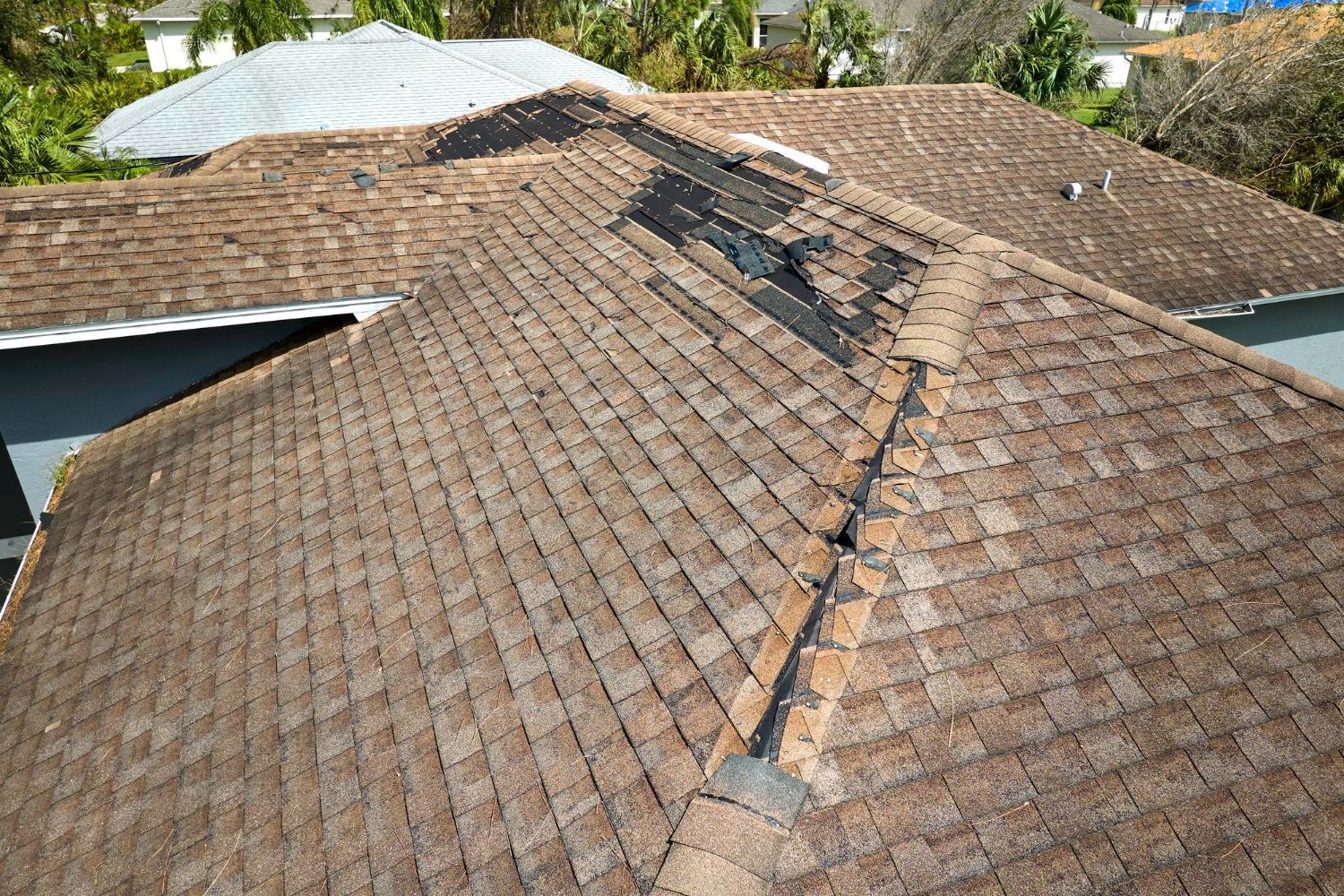
Arizona’s weather creates unique challenges for every commercial roof system. Constant UV exposure can make the roofing materials deteriorate quickly. High summer temperatures can also lead to contraction and expansion, placing a lot of stress on roofing components. Other weather-related concerns are:
- Hail damage
- Monsoon storms
- Dust accumulation
- High winds
- Heavy rainfall
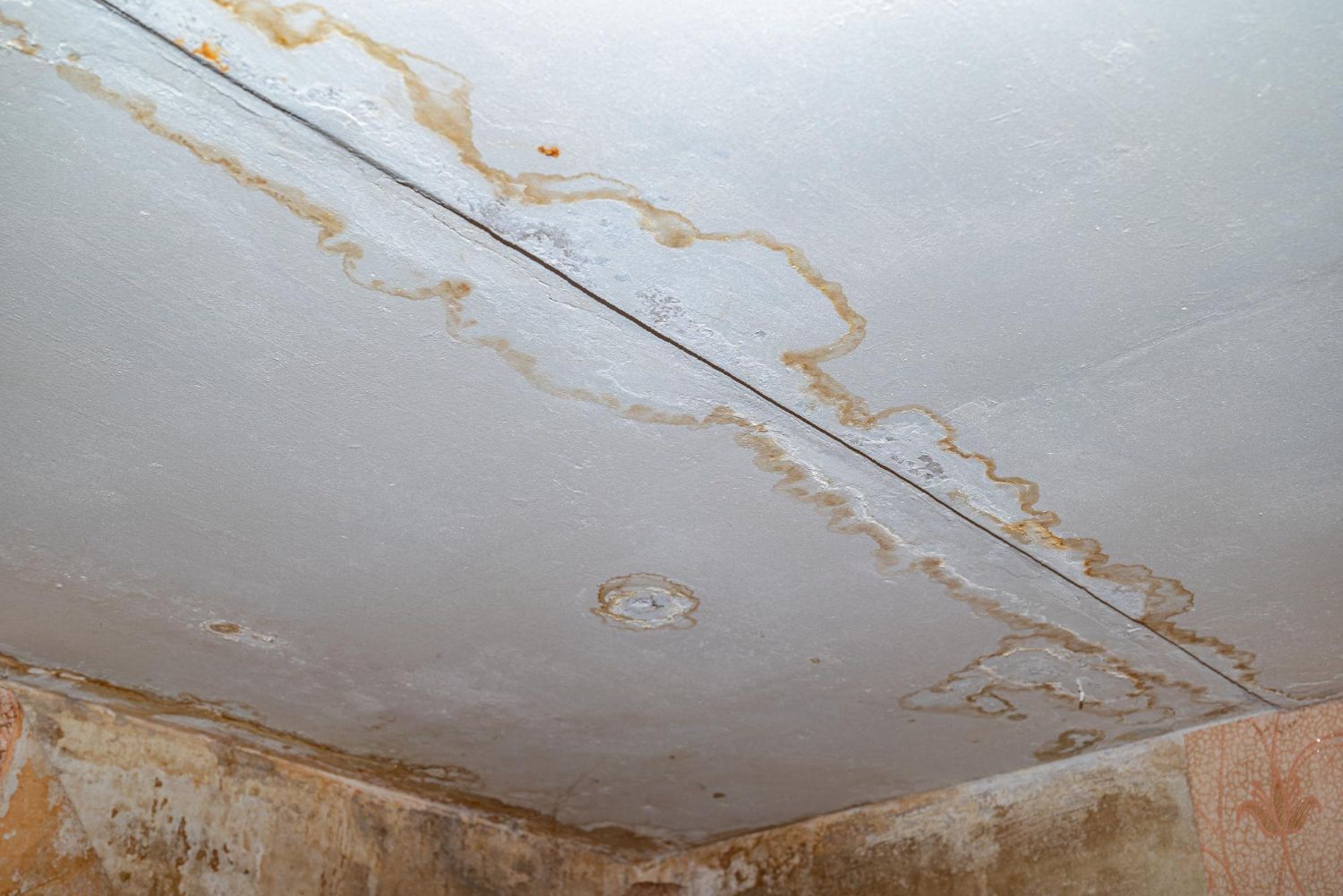
All these environmental factors can increase the repair and maintenance needs over time.
How Preventive Maintenance Can Lower Costs?
Routine maintenance is usually the most affordable strategy for all Arizona businesses. Periodic inspections can help detect small problems before they turn into bigger repairs. It has been cited that a well-maintained commercial roof can last for 20 to 60 years, but it can differ greatly based on several factors, including the type of roofing material used. A preventive maintenance program might include the following:
- Flashing evaluations
- Sealant inspections
- Removal of debris
- cleaning drains
- Roof inspections
All these services are less expensive than premature roof replacement or emergency repairs.
Conclusion
The commercial roofing repair cost differs greatly based on the environmental conditions, building characteristics, damage severity, and roofing system. It is important to have a good understanding of all these factors. Doing so can help every Arizona business owner to plan out their maintenance budget and also make informed decisions. Early intervention stands out as the most effective way to lessen long-term roofing costs. ProWest Roofing offers commercial roofing services throughout Arizona, including insurance claim assistance, roof replacement, roof coatings, roof restoration, and roof repairs. Their team of experts works with residential, industrial, and commercial property owners and offers roofing solutions that can withstand the challenging Arizona weather.
FAQs
1. What is the cost of fixing a roof?
The cost of fixing a roof depends heavily on certain factors like the severity of the damage, accessibility, roofing material, and roof size. It is because every roofing system is different and a correct cost estimate can only be provided after a professional inspection assesses the roof’s condition and detects necessary repairs.
2. What is the life of a commercial roof?
The majority of the commercial roofing systems are said to last between 20 and 40 years. Lifespan differs greatly based on the climate conditions, installation quality, and roofing material. It also depends on how well the roof is maintained throughout its service life.
3. What is the cost of a 1000 square foot roof?
The cost of roofing a 1000-square-foot building varies depending on the material selection, project complexity, insulation needs, and
labor rates.
4. How does Arizona’s monsoon season affect commercial roofing expenses?
Arizona’s monsoon season can increase commercial roofing costs because of wind-driven debris, strong winds and heavy rainfall. All these things might cause water intrusion, flashing damage and membrane punctures.