ROOFING AND RESTORATION BLOG

Key Takeaways
- Periodic roof maintenance can detect small problems before they become costly repairs.
- Arizona’s extreme heat, UV exposure, and monsoon storms can speed up roof wear and tear.
- It has been reported that homeowners must check their roofs at least twice each year, usually in the fall and spring.
- Seasonal inspections can protect roofing materials, extend roof lifespan, and enhance drainage performance.
Arizona’s intense weather puts every roof to the test. From powerful monsoon storms and intense summer heat to relentless UV exposure, roofs in the face experience some of the harshest weather conditions in the country. Even a properly installed roof needs routine care so that it can perform at its best. Following a typical residential roof maintenance schedule can help every homeowner detect potential issues early and safeguard their investment for many years.
What Makes Roofing Maintenance Important in Arizona?
Arizona’s weather can create many unique challenges for residential roofs. Long periods of UV exposure can weaken roofing materials over time. Summer temperatures often exceed 100°F (38°C), which can cause expansion and contraction. This repeated expansion and contraction can weaken roofing materials over time, leading to quick material deterioration, loose components, warping, and cracks. If left unaddressed, these problems can allow water to seep into the roof and cause extensive structural damage.
Monsoon season can lead to flying debris, heavy rain, and strong winds that increase the chances of damage. Industry best practices recommend conducting roof inspections at least twice annually, especially during fall and spring. Periodic inspections can detect problems right before they need extensive repairs.
Homeowners who opt for preventive maintenance usually experience fewer emergency roofing issues along with much longer lifespans.
All-Season Maintenance Checklist: Things to Know
Here is a checklist for every season that homeowners in Arizona must follow:
Spring Roofing Maintenance Tips
Spring is the best time to evaluate any sort of damage that might have taken place during the winter season and prepare for the hotter months. Here are some of the tasks homeowners should take care of:
- Inspect seals around roof penetrations.
- Examine the attic spaces for signs of leaks or moisture.
- Clean downspouts and gutters to ensure effective drainage.
- Remove debris, branches, and leaves from the roof surface.
- Inspect roofing materials, tiles, or shingles for damage or cracks.
A proper spring inspection can help ensure that the roof is all set to withstand the extreme summer heat.
Summer Roofing Maintenance Checklist
Summer is usually the most demanding season for roofs in Arizona. Extended exposure to UV rays can slowly degrade roofing materials. High temperatures might also cause roofing components to contract and expand repeatedly. Here is what homeowners should do:
- Look for signs of material deterioration or sun damage.
- Watch out for an unusual increase in indoor cooling expenses.
- Monitor the performance of attic ventilation.
- Check for cracking, curling, or blistering.
- Check the insulation for effectiveness.
Good insulation and ventilation can lower heat buildup. This can enhance energy efficiency and roof performance.

Monsoon Roofing Maintenance Checklist
Monsoon season stands out as one of the biggest challenges for homeowners in Arizona. Airborne debris, heavy rainfall, and strong winds can create roofing issues. Preparing right before storms arrive can lower the chances of damage. Here is what needs to be done:
- Schedule a professional roof inspection if you suspect your roof has sustained any damage.
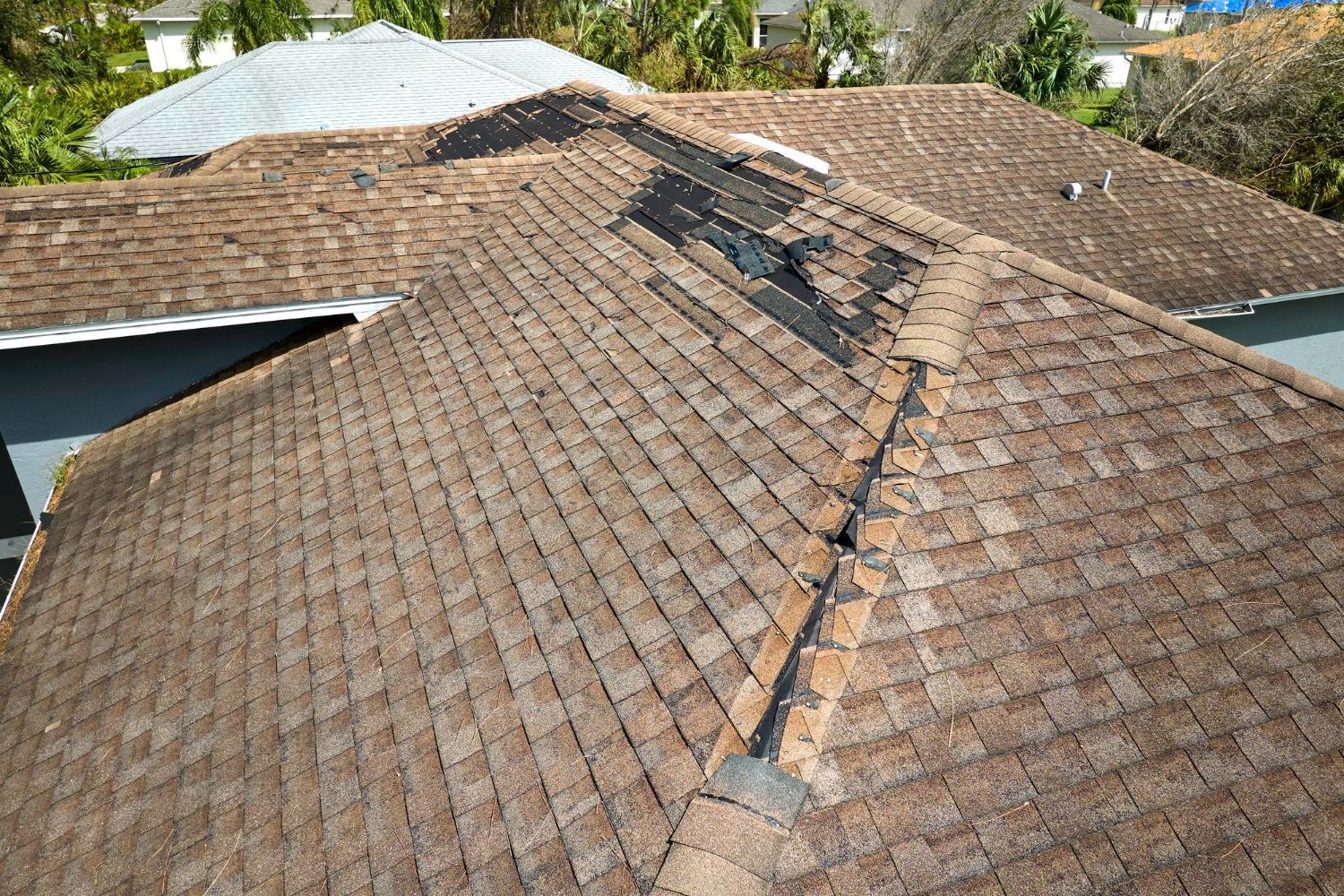
- Look for loose shingles or tiles.
- Secure loose roofing materials.
- Ensure drainage and gutter systems are clear.
- Remove every tree branch that hangs over the roof.
- Insect roof edges and flashing.
Small problems can become massive issues when they are exposed to harsh climate conditions.
Fall Roofing Maintenance Checklist
Fall gives every owner the chance to assess how the roof performed during the monsoon and summer seasons. Here are some of the fall checklist roof maintenance tips that homeowners should follow:
- Schedule any repair before winter.
- Check the roof for storm-related damage.
- Assess roof seals and penetrations.
- Examine gutters for blockages.
- Clear debris from drainage areas.
- Look for displaced, cracked, or missing materials.
Addressing problems in the fall season can help prevent structural issues and moisture intrusion later on.
Conclusion
Arizona’s weather can place a lot of stress on residential roofing systems. Periodic inspections, prompt repairs, and seasonal upkeep help safeguard residences from climate-related damage while extending the roof's lifespan. A proper maintenance approach usually costs less than major repairs caused by neglected problems. ProWest Roofing offers top-tier roofing solutions for commercial and residential properties throughout Arizona. The company offers repairs, roof inspections, residential roof maintenance, and replacement services. Their services are designed to help every property owner protect their investments and maintain proper roofing performance in the challenging climate in Arizona.
FAQs
1. How do you maintain a roof?
You can maintain a roof by inspecting it periodically, clearing gutters, cleaning debris, addressing small repairs, and checking for damaged materials to prevent bigger problems.
2. What is regular maintenance on a roof?
Periodic roof maintenance consists of removing debris, performing seasonal inspections, gutter cleaning, identifying signs of weather-related damage or leaks, and checking seals and flashing.
3. What is the maintenance of a living roof?
A living roof needs watering during dry periods, plant health monitoring, weed control, occasional replacement of damaged vegetation, and drainage inspections to ensure proper performance.
4. Should homeowners inspect their roofs after every monsoon storm?
Yes. Even when there are no visible leaks, flying debris and strong winds can damage flashing or loosen roofing materials. A post-storm inspection can help detect hidden probl early and lower the dangers of more significant issues developing later.