ROOFING AND RESTORATION BLOG

Residential Roof Inspection Guide: How Homeowners Can Spot Early Signs of Roof Damage
June 11, 2026
Construction inspector checking residential windows and home exterior during a property inspection service.

Your roof is your home's most essential protection from the elements and your biggest investment. Your roofing system faces environmental stress all year round, from sweltering summer heat to heavy seasonal monsoons. Although structural problems usually manifest themselves only when a large leak occurs, it is better to detect them early to save thousands of dollars in emergency repairs.


A proactive visual assessment is a tool that can help you to maintain the life of your system. This guide helps you assess your house from the ground and spot the clear signs of roof damage before they become an issue.


Ground-Level Inspections: Assessing Your Shingles or Tiles


Do not climb on the roof to inspect for structural deterioration. Actually, a detailed survey done with binoculars in your yard or driveway is the best method for identifying surface defects.


Spotting Missing, Cracked, or Curled Shingles


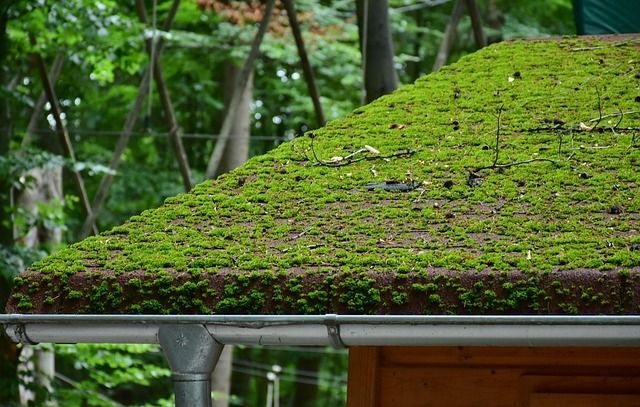
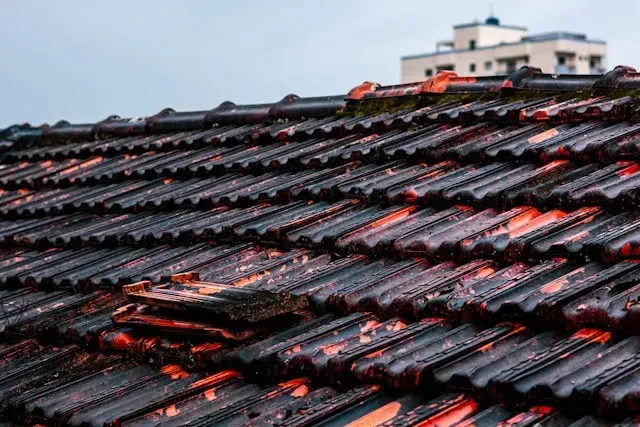
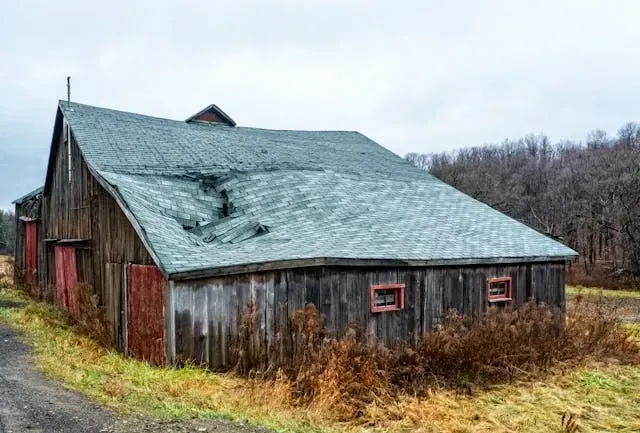
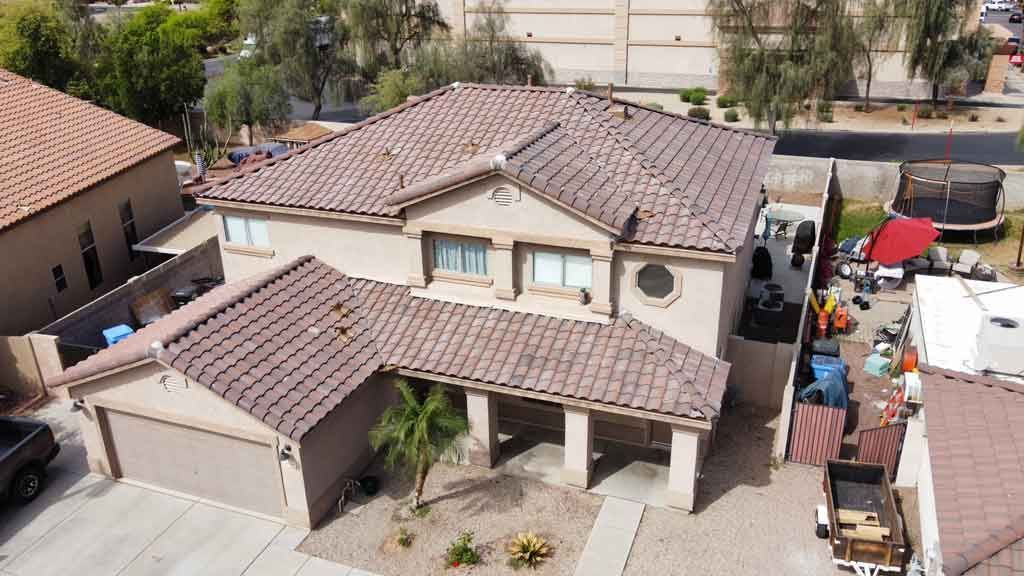
Asphalt shingled roofs should be inspected for curling at the edges, buckling, or total loss of shingles. The intense UV rays from the sun, over time, dry out the asphalt layer and cause shingles to become brittle, which can lead to blowing off during high wind speeds. With clay or concrete tile systems, watch for cracks, chips, or tiles that are slipping and expose the waterproofing to direct sunlight.


Monitoring Granule Loss and Debris Collection


Look for small coarse granules that look like dark sand in the gutter and under your downspouts. Shingles release the mineral granules as they grow older and deteriorate. Losing this protective layer leaves the underlying mat vulnerable to rapid solar weathering. This is an important sign that your system is approaching its end of service life.


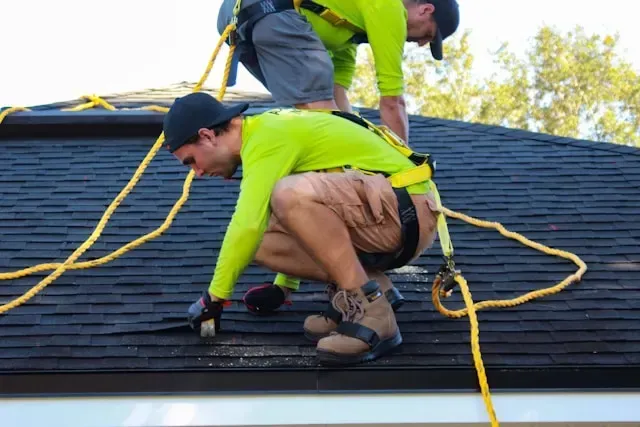
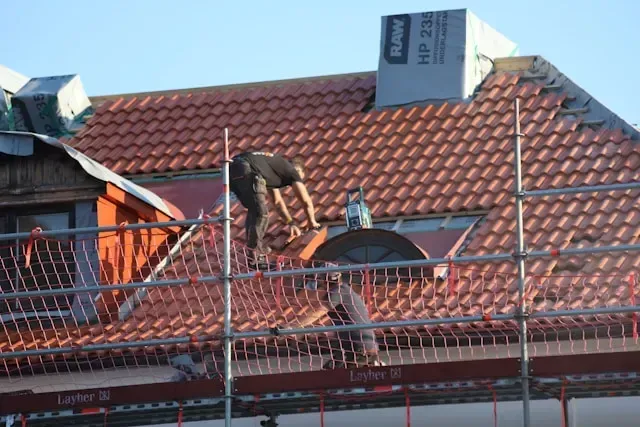
Worker installing a solar panel on a residential roof during home improvement and roofing maintenance work.

Identifying the Common Signs of Storm Damage to Roof Systems


Strong winds, torrential rain, and hail can cause severe damage to a non-protected structure. Knowing how to identify signs of storm damage to roof hardware right after a weather event is critical for protecting your property.


Checking for Wind Displacement and Lifting


Strong gusts of wind can blow under shingles or tiles and tear them away from the roof. After the storm, even if the shingles lie flat, the waterproof seal is damaged. This will help future rains to flow under and cause your plywood deck to rot.


How to assess Flashing, Valleys, and Drip Edges


Flashing is the name given to thin strips of metal placed around chimneys, vents, dormers and roof valleys to channel water away from vulnerable areas. Walk around these areas to see if the metal has distorted, bent, or come apart from the building. One of the most frequently occurring areas for serious roof leaks is when the flashing becomes damaged or rusted.


Interior Inspections: Inspecting for Attic Warning Flags


A thorough residential roofing inspection also entails the interior areas directly under your ceiling. A leak in your living room may be preceded by hidden issues in your attic.


Checking for Water Stains and Sagging Drywall


During the day, bring a flashlight to your attic and look under your roof deck. Check for dark streaks, water stains, or ongoing dampness on the rafters. Signs of localized light seen in the boards from the outside mean there is a hole that should be patched promptly.


Inspecting and testing Ventilation and Displaced Insulation


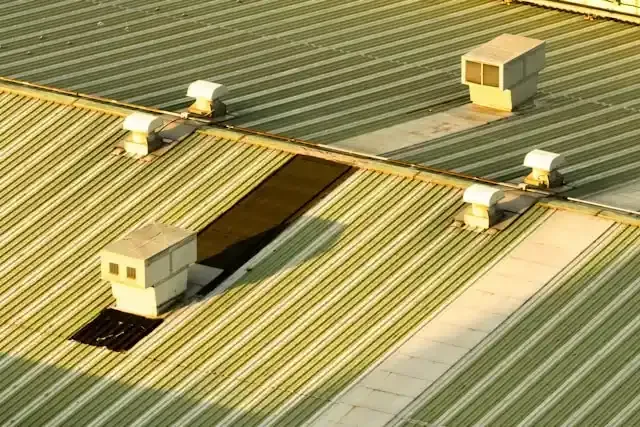
Balanced ventilation is important in a healthy attic to keep heat out. Your vents could be clogged if your attic is hot and humid or if you can see that the insulation is matted, moldy, or has been displaced. Cooking from the inside out, trapped heat will speed up the aging process of shingles.


Conclusion: Partner with Arizona's Restoration Specialists


Regular visual eye checks put you one step ahead of structural deterioration, but it takes certified expertise to know about any hidden damage. Don't delay the inevitable until the next storm if you see any missing materials, water stains, or suspect weather damage.


ProWest provides quality, process-driven roofing inspections for homeowners throughout Arizona. Our professional staff, having over 15 years of front-line experience, offers accurate roof installation, full roof replacement, preventative maintenance, and timely roof damage repair services. We're serving the Phoenix metro area, Gilbert, Tucson, and beyond, and we'll work directly with your insurance provider to make damage claims stress-free.


Call ProWest today, and they will give you a free inspection or a professional project estimate!


FAQs:


When is the best time to have a home roof inspection?


Regular (at least once a year) professional roof inspection is highly recommended. Also, it is a great idea to have a professional inspection right after a big storm to catch the wind/wallow damage or hidden hail quickly.


What are the first signs of roof damage?


Cracked or missing shingles, clay tiles that have broken, dark stains on ceilings, loose metal flashing around vents, and an overload of granules in the gutters all signal trouble.


Can I do a residential roof inspection myself?


A safe visual inspection can be done from the ground level with binoculars and by checking for leaks inside the attic. But the need for special safety gear and training to check for hidden punctures or to make deep structural repairs is the job of a licensed professional.


Recent Posts

Taking a Look at the Various Commercial Roof Types
July 20, 2026
Explore the most well-known commercial roof types. Get to know about their advantages and ideal applications.
Understanding the Commercial Roof Repair Costs for All Arizona Businesses
July 17, 2026
Find out what affects the costs of commercial roof repair in Arizona, including labor, building size, damage severity and roof type.
Ultimate Guide on Roof Leak Repair for Homeowners
July 16, 2026
Learn the common causes of roof leaks, how to spot early warning signs, and the most effective repair solutions to protect your home from costly damage.
Installing a New Roof: An Informative Guide for Homeowners in Arizona
July 16, 2026
Get to know the complete new roof installation process, right from inspection to cleanup. This step-by-step guide can help every homeowner have a good understanding of what to expect during a replacement project.
July 16, 2026
Learn what can happen during a roof replacement process, right from inspections to final cleanup. Follow a step-by-step method to prepare for your roofing project effectively.
July 9, 2026
Follow this residential roofing maintenance checklist with seasonal care tips to protect your Arizona home and extend your roof's lifespan.
June 11, 2026
Not sure whether to repair or replace your Arizona roof? Discover key factors to help homeowners make the right decision and protect their investment.
June 11, 2026
How long does a roof last in Arizona's harsh climate? Compare the lifespan of every roofing material tile, shingle, metal, and more before you replace.
June 11, 2026
After a storm, should you repair or replace your roof? Our inspection guide helps homeowners spot damage, compare costs, and make the right decision fast.
June 11, 2026
Discover the best roofing materials for hot climates. Arizona homeowners — see what holds up against desert heat, UV, and monsoon season year after year.
Show More