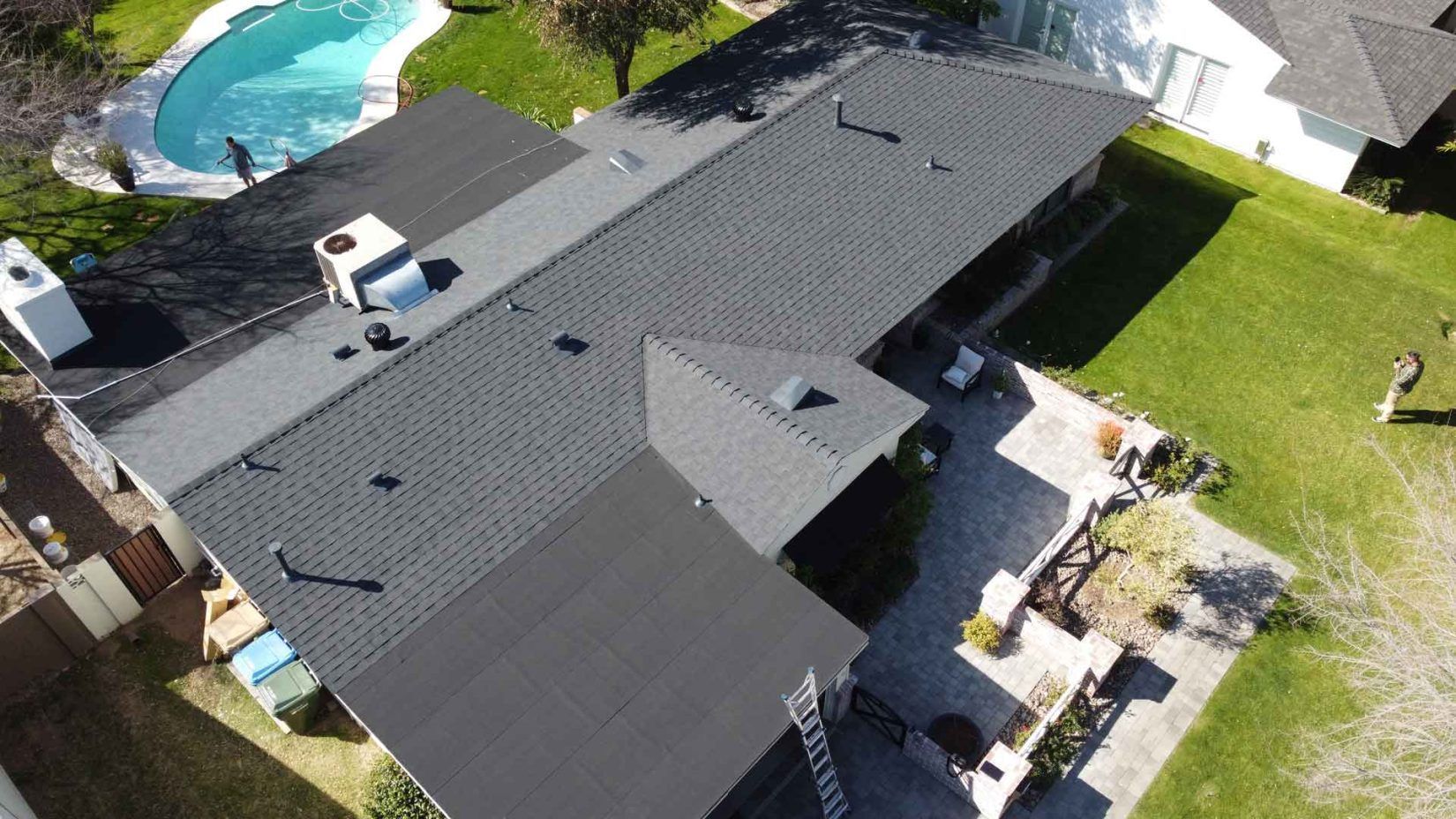
Identifying the Common Signs of Storm Damage to Roof Systems
Strong winds, torrential rain, and hail can cause severe damage to a non-protected structure. Knowing how to identify signs of storm damage to roof hardware right after a weather event is critical for protecting your property.
Checking for Wind Displacement and Lifting
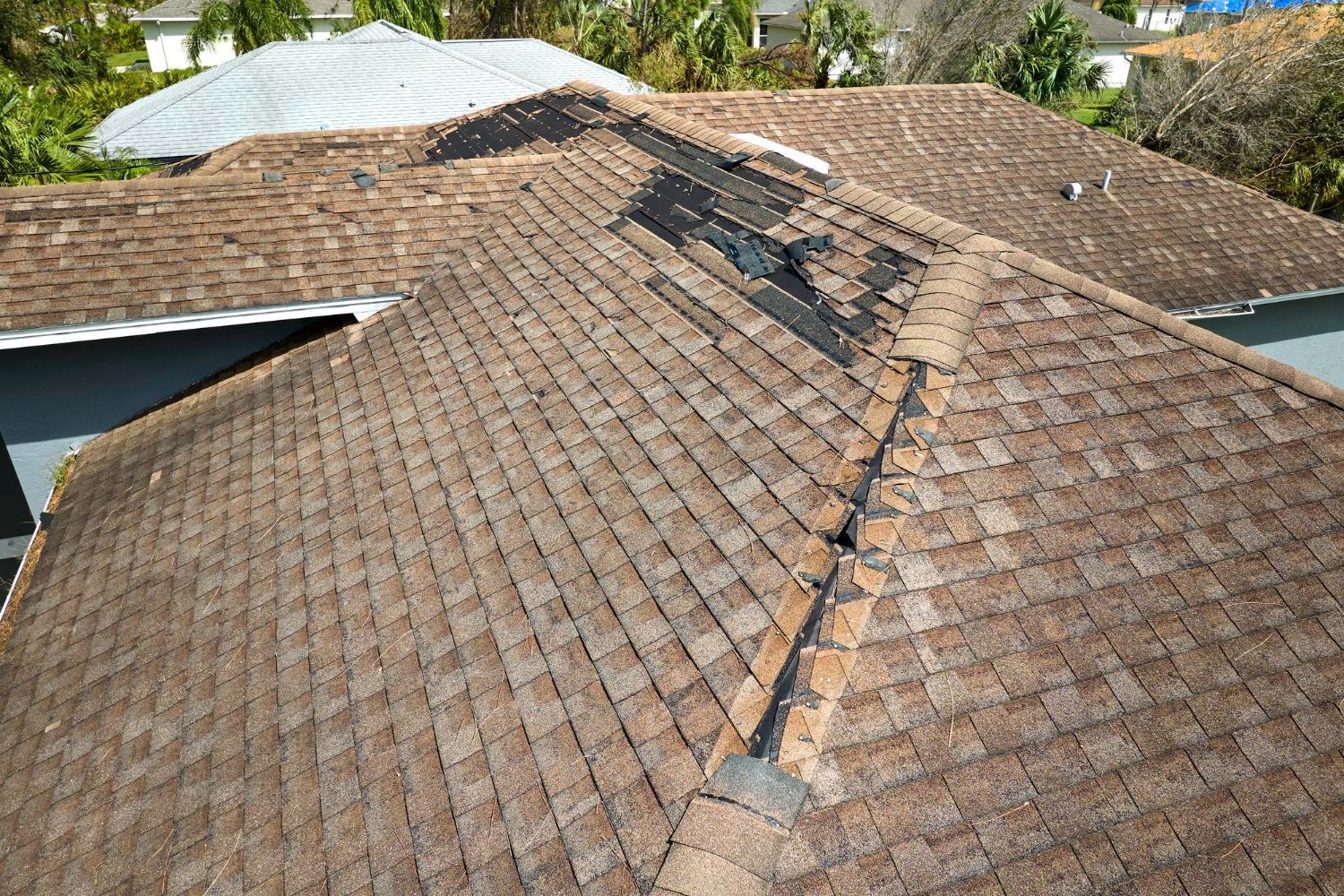
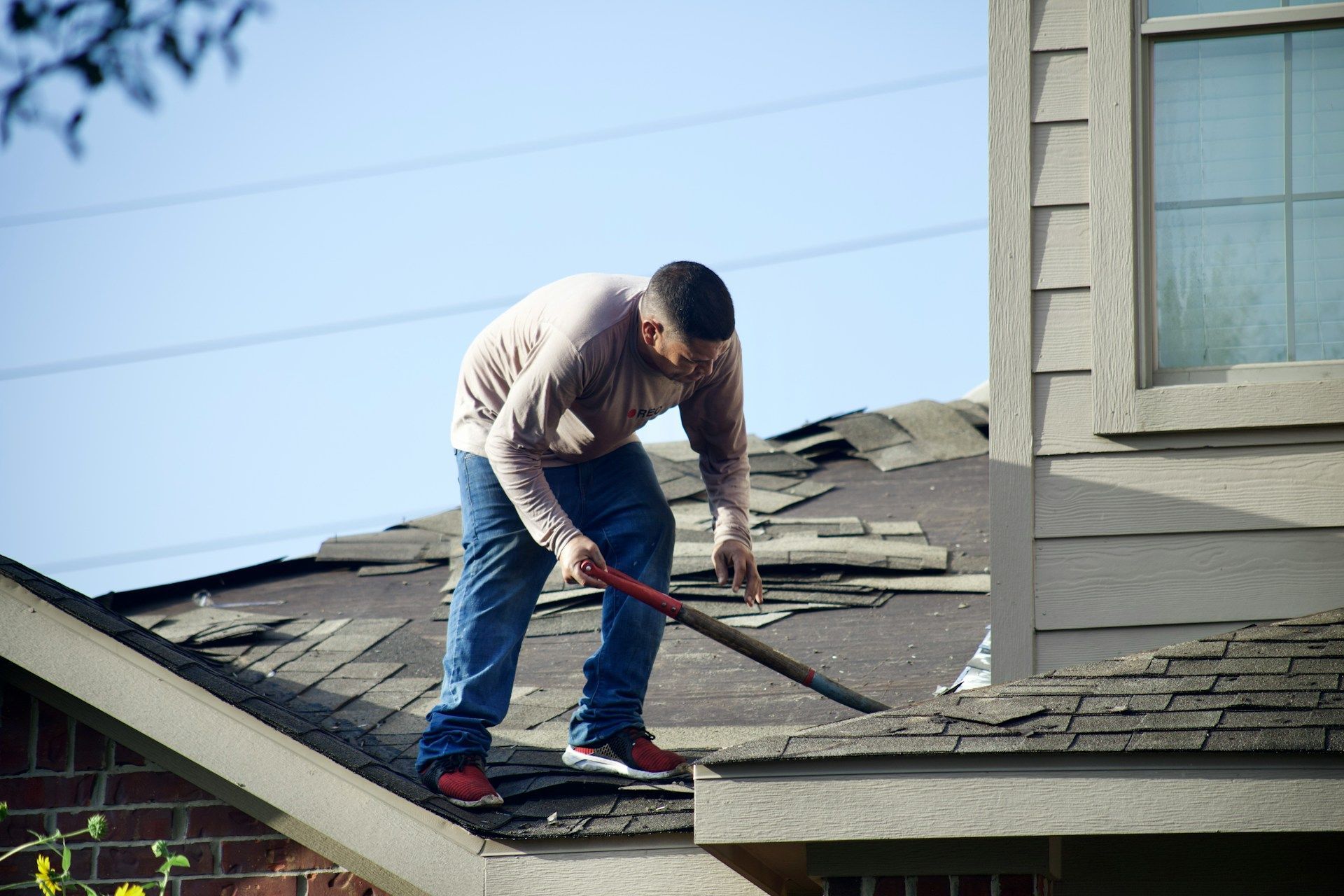
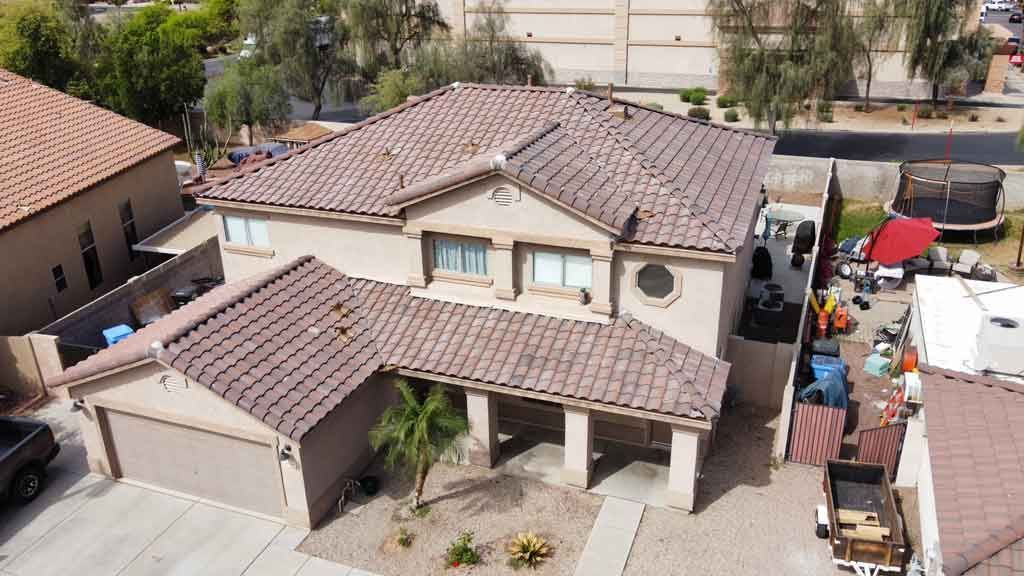
Strong gusts of wind can blow under shingles or tiles and tear them away from the roof. After the storm, even if the shingles lie flat, the waterproof seal is damaged. This will help future rains to flow under and cause your plywood deck to rot.
How to assess Flashing, Valleys, and Drip Edges
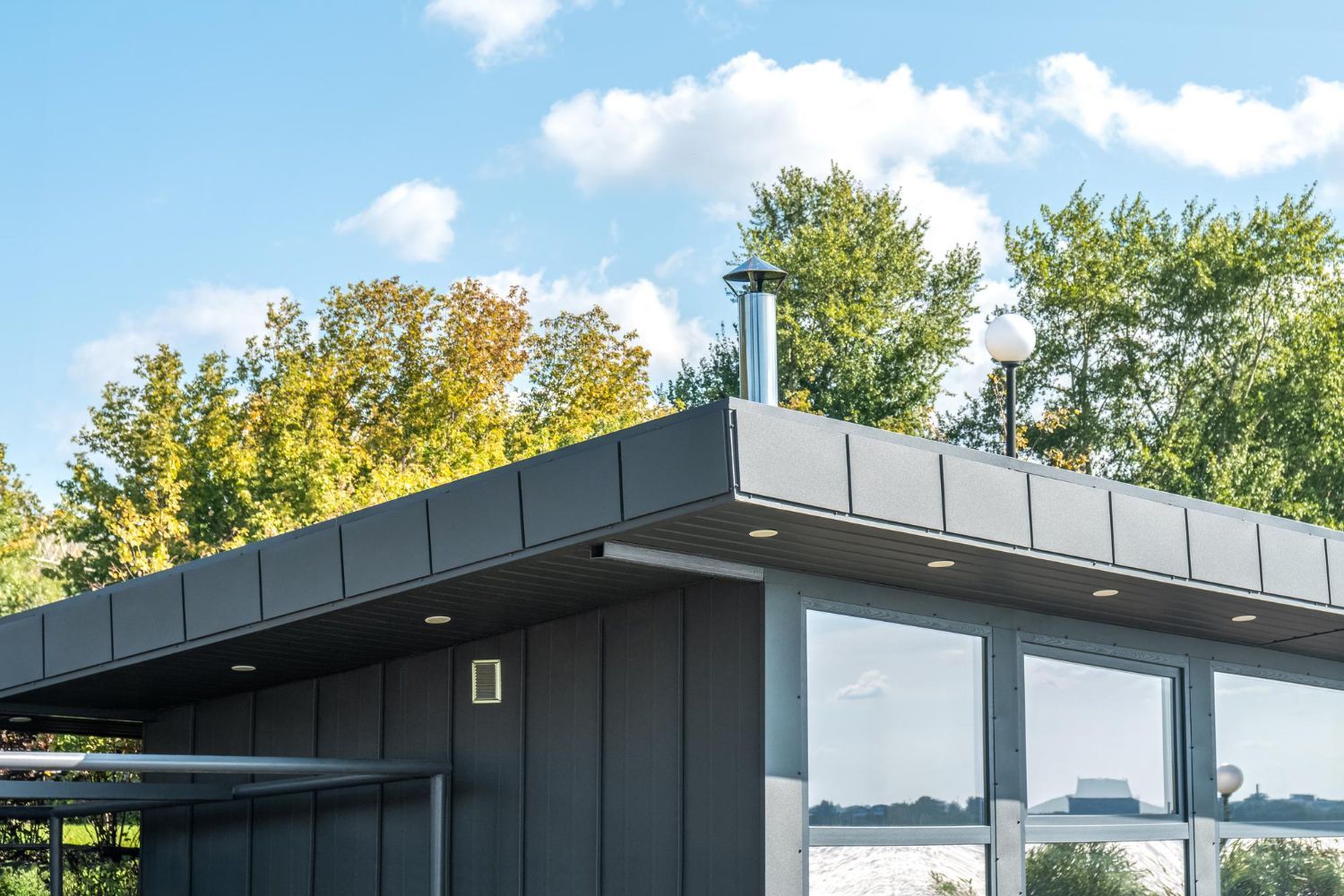
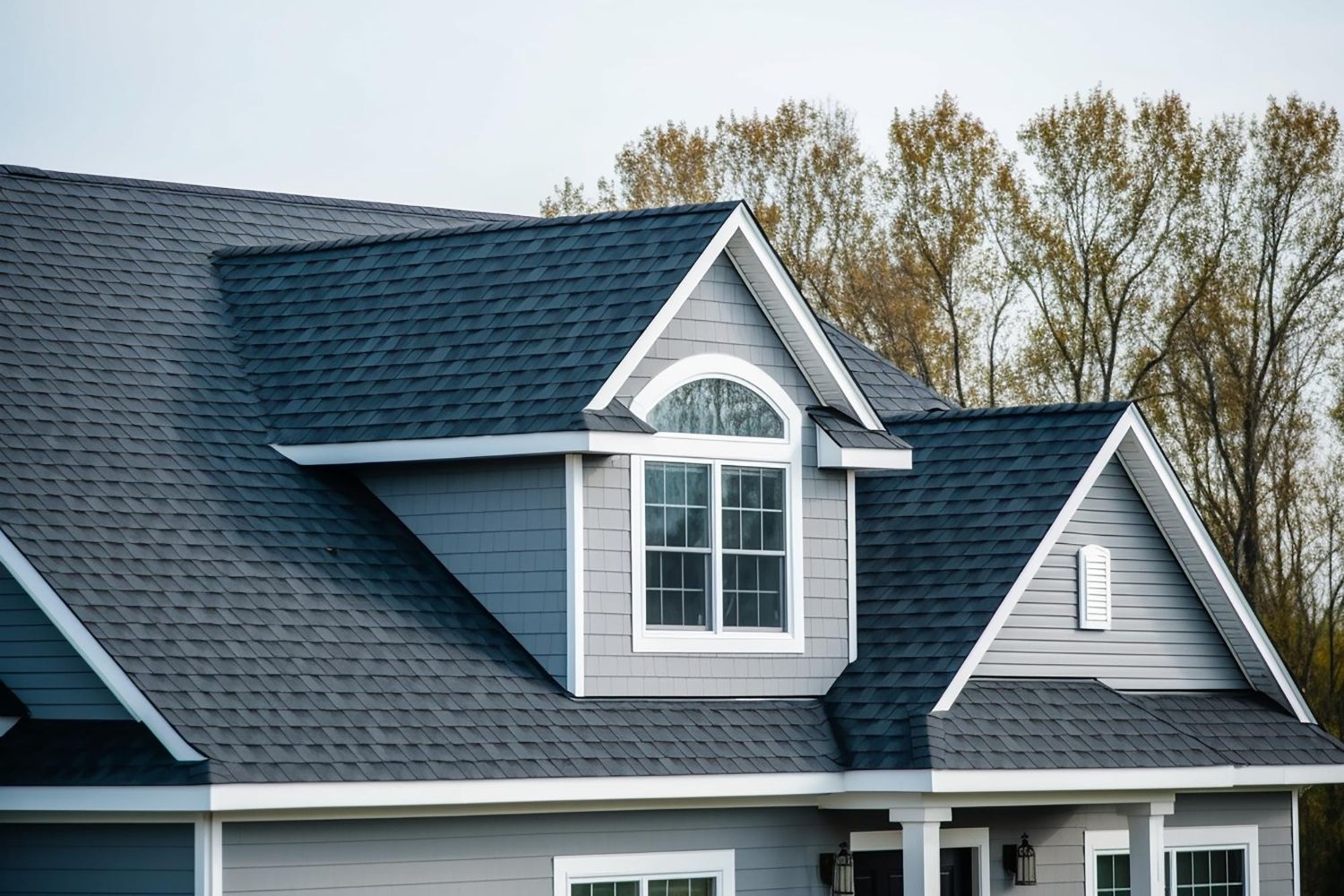
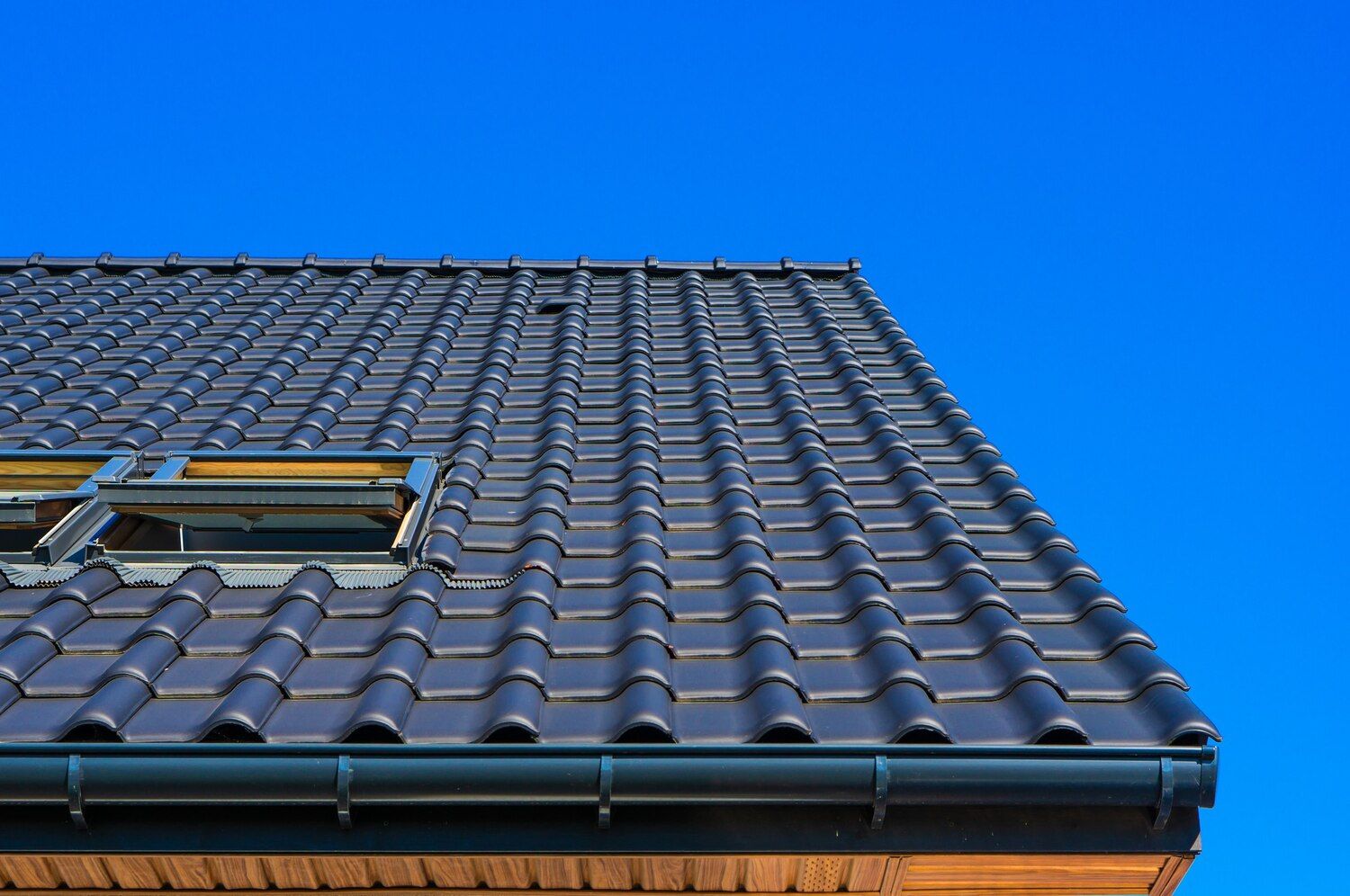
Flashing is the name given to thin strips of metal placed around chimneys, vents, dormers and roof valleys to channel water away from vulnerable areas. Walk around these areas to see if the metal has distorted, bent, or come apart from the building. One of the most frequently occurring areas for serious roof leaks is when the flashing becomes damaged or rusted.
Interior Inspections: Inspecting for Attic Warning Flags
A thorough residential roofing inspection also entails the interior areas directly under your ceiling. A leak in your living room may be preceded by hidden issues in your attic.
Checking for Water Stains and Sagging Drywall
During the day, bring a flashlight to your attic and look under your roof deck. Check for dark streaks, water stains, or ongoing dampness on the rafters. Signs of localized light seen in the boards from the outside mean there is a hole that should be patched promptly.
Inspecting and testing Ventilation and Displaced Insulation
Balanced ventilation is important in a healthy attic to keep heat out. Your vents could be clogged if your attic is hot and humid or if you can see that the insulation is matted, moldy, or has been displaced. Cooking from the inside out, trapped heat will speed up the aging process of shingles.
Conclusion: Partner with Arizona's Restoration Specialists
Regular visual eye checks put you one step ahead of structural deterioration, but it takes certified expertise to know about any hidden damage. Don't delay the inevitable until the next storm if you see any missing materials, water stains, or suspect weather damage.
ProWest provides quality, process-driven roofing inspections for homeowners throughout Arizona. Our professional staff, having over 15 years of front-line experience, offers accurate roof installation, full roof replacement, preventative maintenance, and timely roof damage repair services. We're serving the Phoenix metro area, Gilbert, Tucson, and beyond, and we'll work directly with your insurance provider to make damage claims stress-free.
Call ProWest today, and they will give you a free inspection or a professional project estimate!
FAQs:
When is the best time to have a home roof inspection?
Regular (at least once a year) professional roof inspection is highly recommended. Also, it is a great idea to have a professional inspection right after a big storm to catch the wind/wallow damage or hidden hail quickly.
What are the first signs of roof damage?
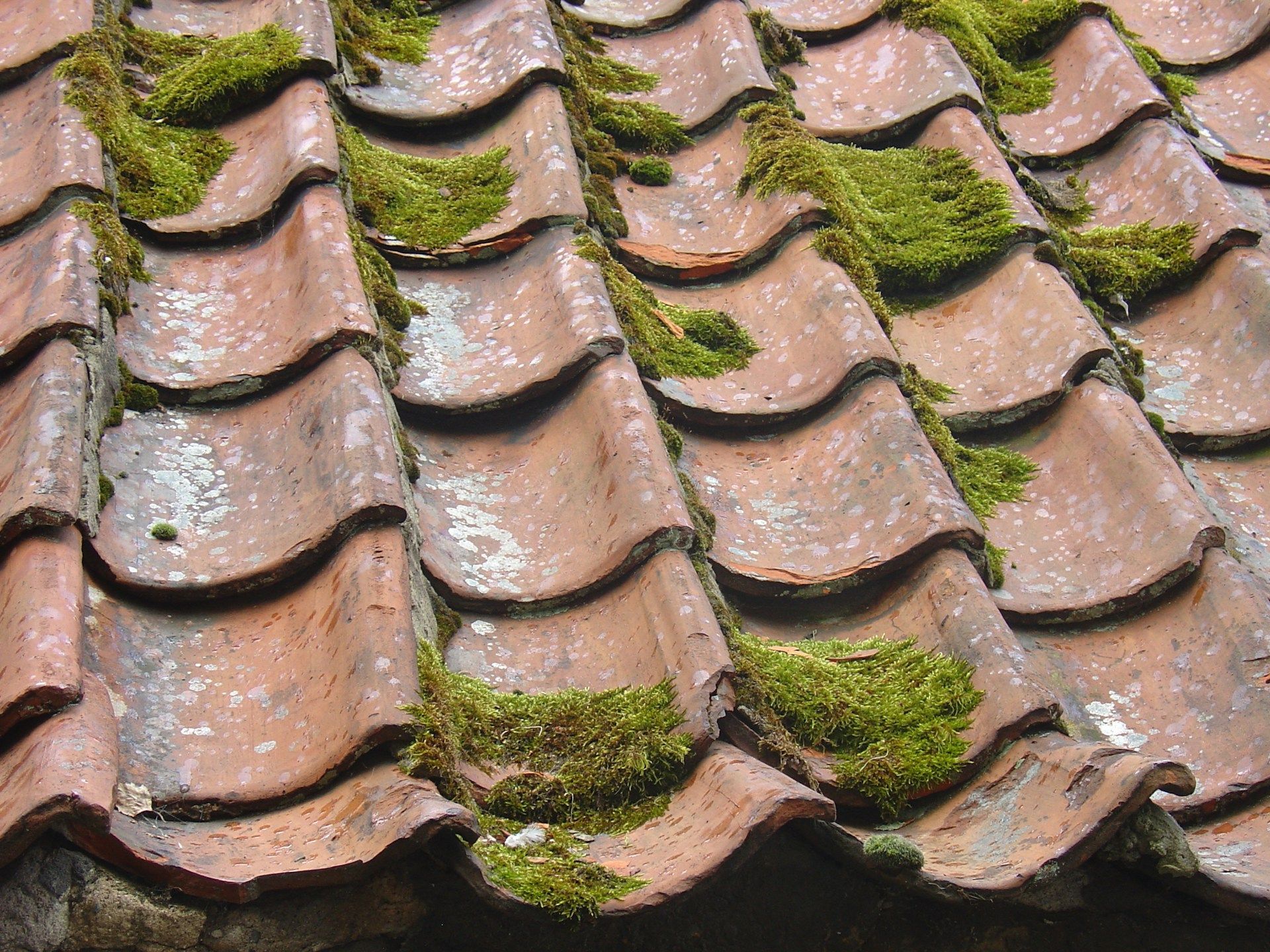
Cracked or missing shingles, clay tiles that have broken, dark stains on ceilings, loose metal flashing around vents, and an overload of granules in the gutters all signal trouble.
Can I do a residential roof inspection myself?
A safe visual inspection can be done from the ground level with binoculars and by checking for leaks inside the attic. But the need for special safety gear and training to check for hidden punctures or to make deep structural repairs is the job of a licensed professional.