Standing Seam Metal Roofing: Sleek and Solar-Reflective
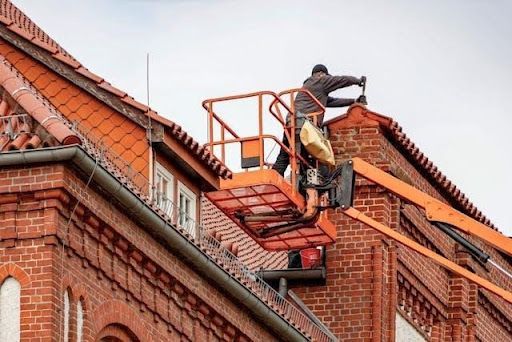
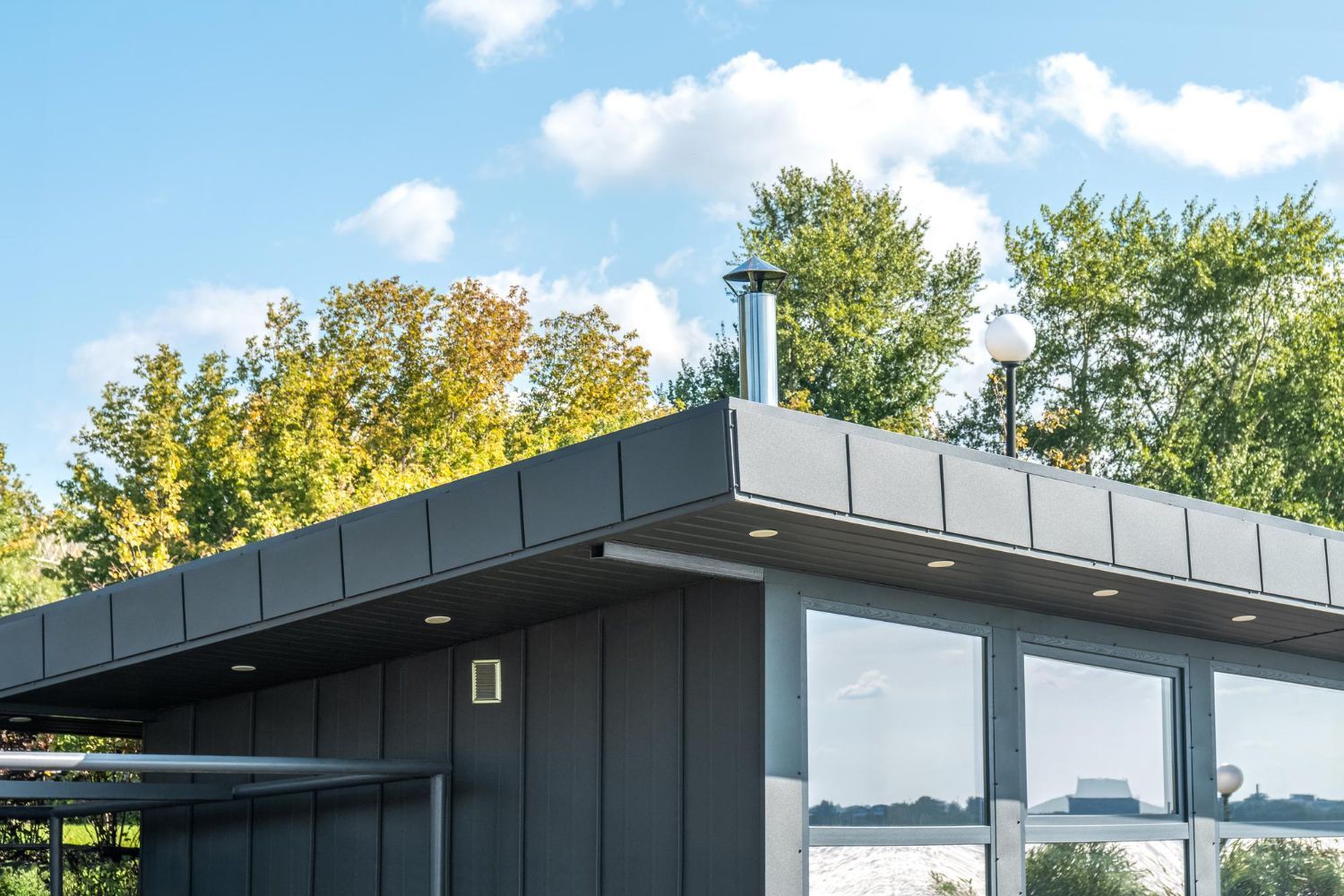
Metals over Arizona have seen a tremendous increase in residential popularity. The contemporary look of the metal systems offers a clean and modern appearance, and acts as a very efficient barrier against the intensity of the sun's rays.
Reflect Heat Away from the Home
You may think it doesn't make sense, but it does. Metal remains cool. Metal roofs tend to have a high solar reflectivity, which is their ability to reflect the majority of the heat from the sun back into the atmosphere. A standing seam metal roof treated with special reflective coatings can significantly cool the attic, which means it can help put less strain on your air conditioning equipment.
Rapid Heat Release
Another major benefit of aluminum or steel roofing is its low thermal mass. Metal sheds cool quickly after dark, which can help cool your home down even faster in the evening. Additionally, metal is quite light and very strong; it resists high winds and driving rain from seasonal monsoon storms without flexing.
Spray Polyurethane Foam (SPF): Ideal for Flat Roof Designs
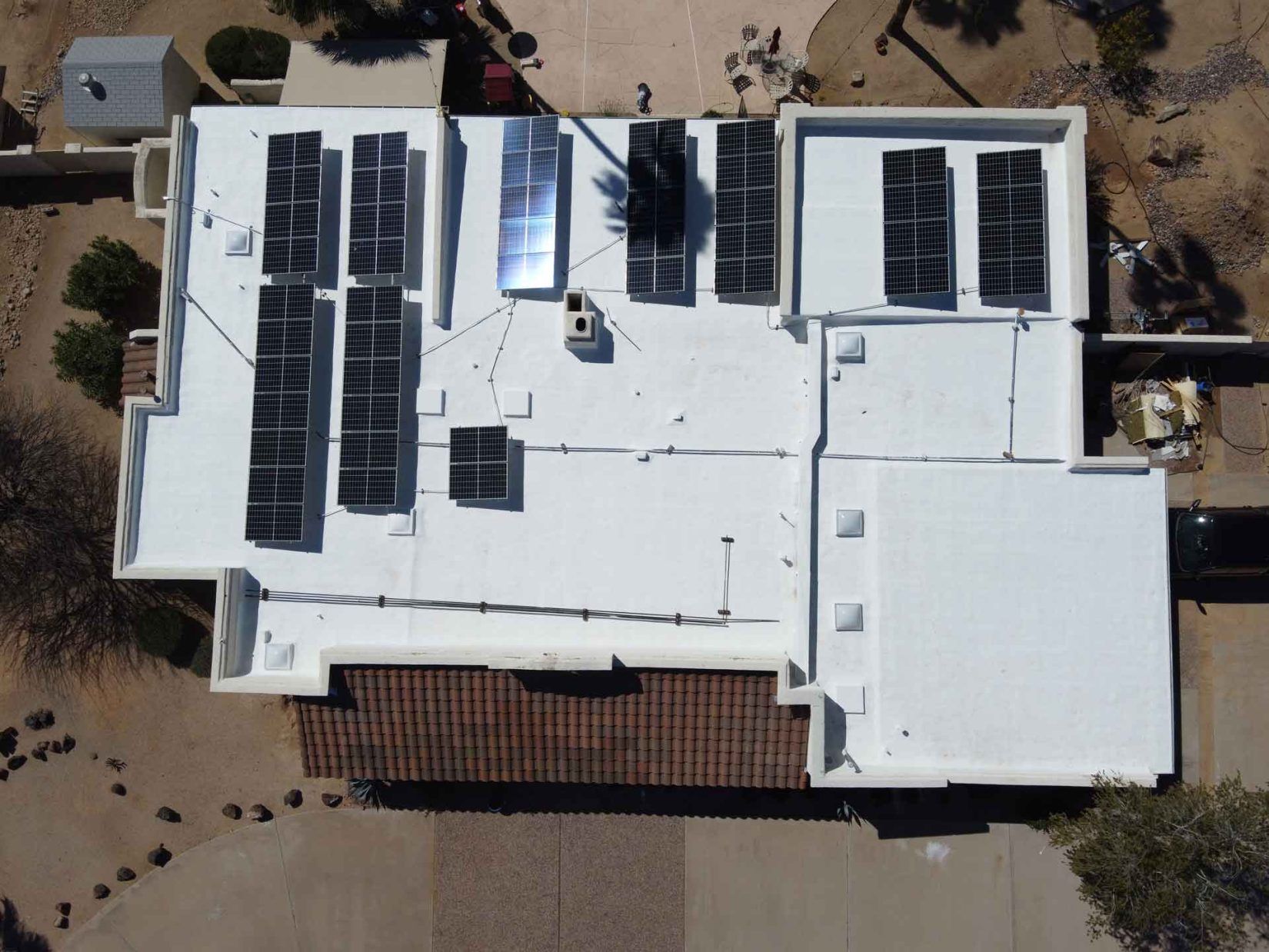
Flat or low-slope roofs are used in many modern and Southwestern-style homes in Arizona. In these particular architectural styles, traditional shingles or tiles are not an option, and Spray Polyurethane Foam is the best solution.
Seamless Insulation & Waterproofing
SPF roofing is a liquid that forms a solid, continuous foam layer over your entire roof deck. It is completely seamless, meaning there are no joints or seams for water or hot air to penetrate into the building. The thermal insulation R value of the foam is very high, so there is no leakage of cool air in the house.
Maximum Energy Efficiency
Often, an SPF system ends in a bright white, UV-resistant elastomeric topcoat. This super reflective surface deflects sunlight from the building and can reduce residential cooling costs by up to 15%. It is a lightweight, cost-effective, and very durable control for extremes of temperature.
Conclusion: Partner with Arizona's Top-Rated Roofing Company
Choosing a roof that combines style, durability, and the highest thermal efficiency demands in-depth local knowledge. Extreme weather should not put stress on your home or your energy costs.
In Arizona, ProWest delivers quality, process-driven results when you're ready to upgrade or repair your home. Our highly experienced roofing team has been an established and licensed roofing company for more than a decade, and we do everything from the highest precision roof installations to an immediate response to storm damage and insurance claims. Serving the Phoenix metro area, Gilbert, Tucson, and beyond, our skilled craftsmen employ cutting-edge techniques to keep your property safe, beautiful, and energy-efficient.
Call ProWest today to get a free professional inspection or a detailed project quote!
FAQs:
Which roofing material will be most appropriate for hot climates such as Arizona?
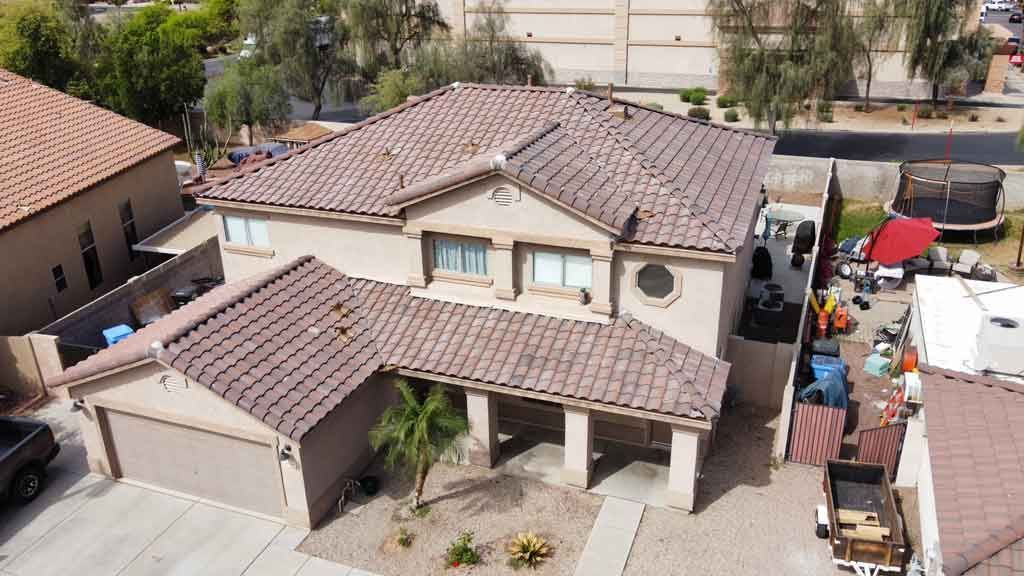
The most popular choices include clay and concrete tiles, standing seam metal, and spray polyurethane foam (SPF). They have excellent thermal resistance or solar reflectivity qualities, which are perfect for desert areas with extreme temperatures.
What is the impact of roofing material on the energy bills in warm climates?
Materials with a high reflective surface, such as metal or white foam coatings, reflect solar heat away from the building. Insulating materials, such as clay tiles, help to resist heat transfer to the attic. Either option can save you a lot of work, which translates to cooling expense savings per month.
How long do roofing materials last in Arizona’s hot climate?
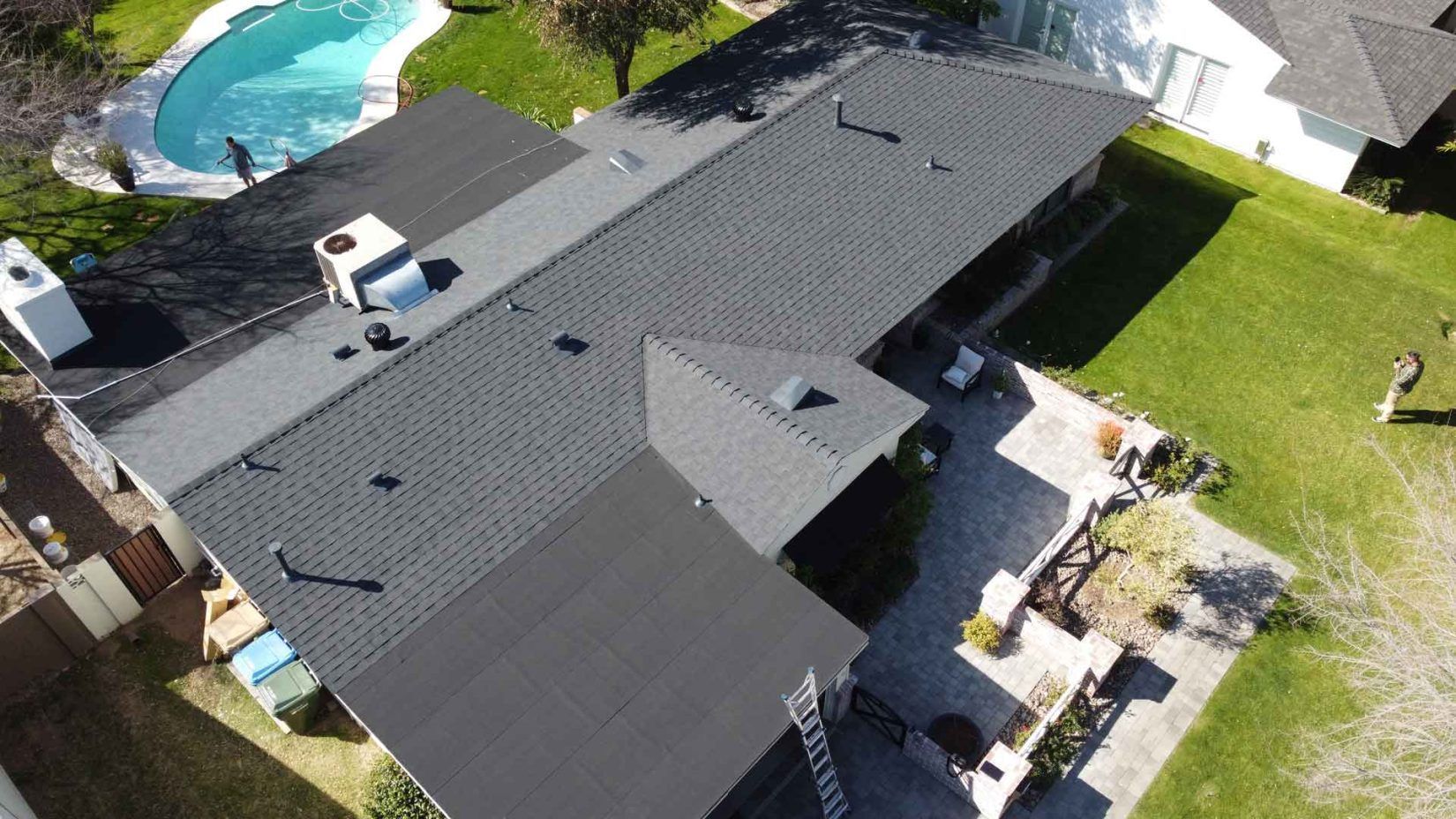
Clay and concrete roof tiles can serve a lifetime of 50 to 100 years, while metal roofs last between 40 and 70 years. When the roof is spray foamed, the roof surface coating can be changed every 5-10 years to ensure the roof is maintained for decades. Older and traditional asphalt shingles have the shortest lifespan of 15-20 years because of the effects of UV degradation.