Owning a home in Arizona comes with many advantages, clear skies, dry air, and plenty of sunshine. But those same conditions can be tough on a roof. Intense UV exposure, monsoon storms, dust, and temperature swings all play a role in how long a roof lasts and how well it performs. For homeowners navigating
Residential Roofing Arizona, understanding these local factors is not optional. It is essential.
This guide walks through what Arizona homeowners should realistically expect from their roofing system, how to maintain it properly, and when it may be time to consider repairs or full
roofing renovations in Arizona.
Why Arizona Roofs Face Unique Challenges
Because of their geographical location, Arizona roofing materials receive more sun exposure than the majority of the United States. The sun's ultraviolet radiation causes roofing materials to deteriorate over time. Asphalt shingles can curl, causing the loss of protective granules. When cracks form on tile roofs, the material becomes damaged. Flat roofing membranes dry out, which causes shrinkage.
The state has distinct monsoon seasons. The combination of sudden strong winds and intense rainfall conditions puts the system's flashing underlayment and drainage capabilities to the test. Dust storms occur frequently across the state, causing gutter blockages and moisture problems in normally dry areas.
Temperature variations have an important impact. Desert regions experience material expansion and contraction throughout the day because they have hot daytime temperatures and cold nighttime temperatures. The fastener and seal systems sustain damage through this process, which continues to weaken their structural performance.
The Residential Roofing Arizona system necessitates continuous monitoring through a dedicated testing process, in addition to routine inspections. The system necessitates continuous monitoring throughout its operation.
Common Roofing Materials Used in Arizona Homes
Different materials perform differently under Arizona conditions. Understanding the strengths of each helps homeowners make informed decisions.
Tile Roofing:
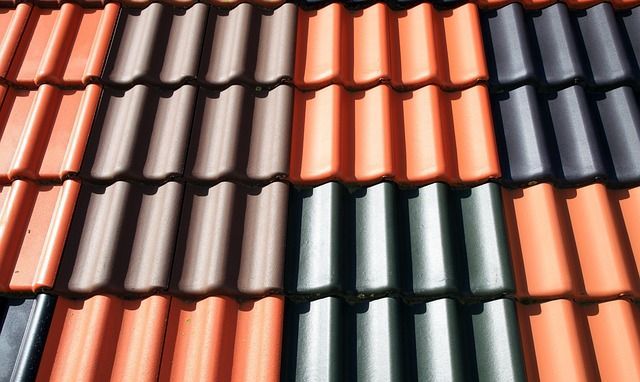
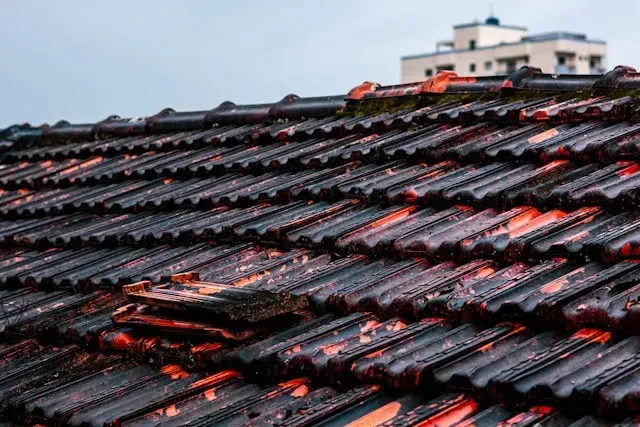
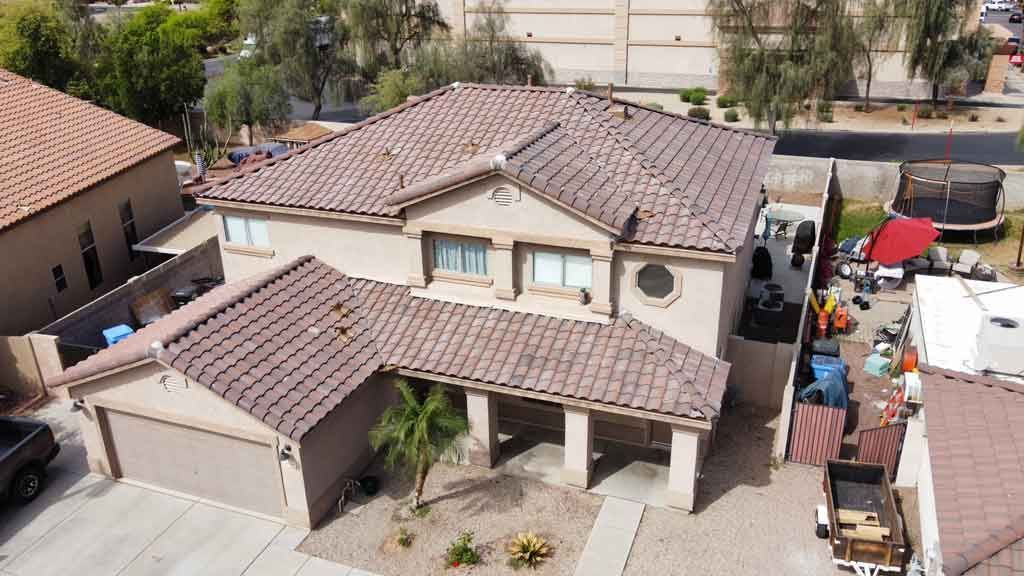
Clay and concrete tiles are common across Arizona neighborhoods. They handle heat well and provide strong durability. However, tiles can crack under impact from debris or heavy foot traffic.
Asphalt Shingles:
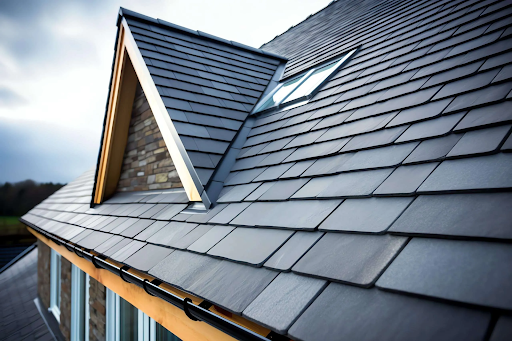
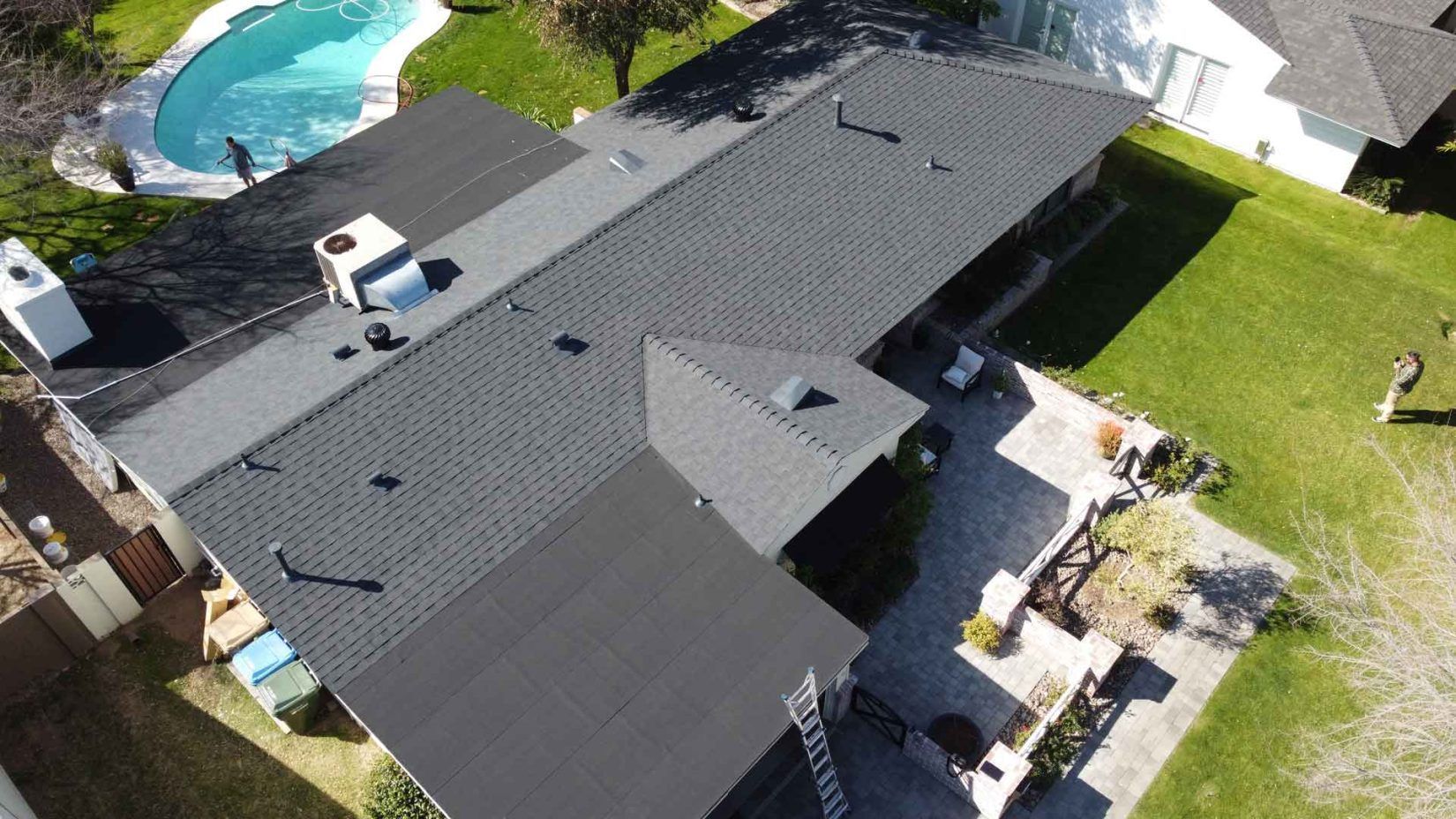
Affordable and widely available, asphalt shingles are still used in many residential areas. They can perform well when properly installed but may require closer monitoring under constant UV exposure.
Foam and Flat Roofing Systems:
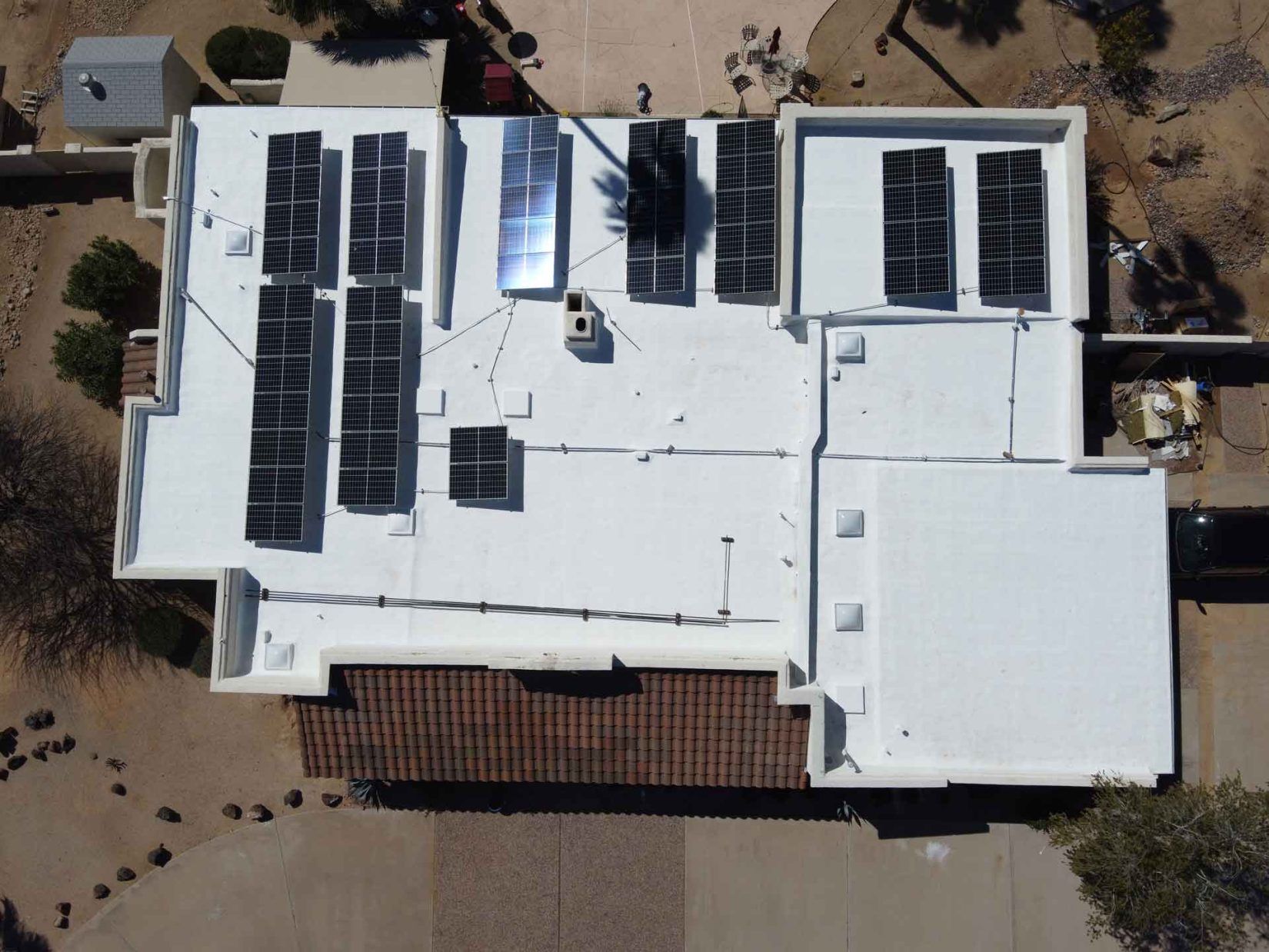
Flat roofs are common in certain architectural styles. Foam systems provide insulation and water resistance when maintained correctly. These systems must be recoated periodically to extend their lifespan.
Choosing materials should always factor in climate, home design, and long-term maintenance expectations.
Signs Your Roof May Need Attention
Before contacting a contractor, homeowners frequently wait until a visible leak is present. The damage has already surpassed the predictions of individuals at that juncture.
Homeowners should pay attention to these signs:
- Cracked or missing tiles
- Curling or blistered shingles
- Soft spots on flat roofing
- Rusted or loose flashing
- Water stains on ceilings
- Granules collecting in gutters
The appearance of any of these signs requires immediate action because it will lead to higher repair costs in the future.
The Importance of Regular Inspections
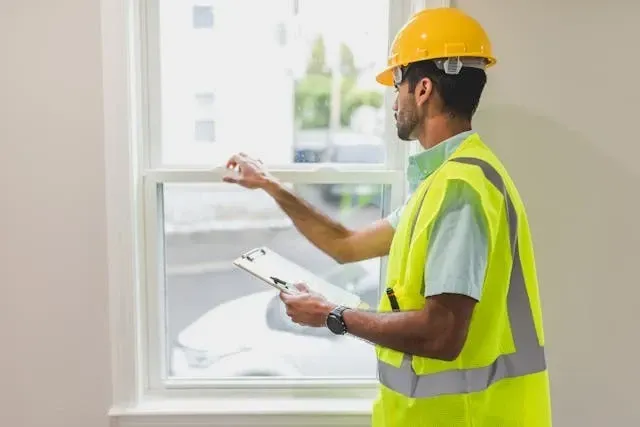
In Arizona, a roof inspection once every one to two years is reasonable. After a strong monsoon storm, it may be wise to schedule a check sooner.
A qualified roofing professional will examine:
- Underlayment condition
- Flashing around vents and chimneys
- Drainage performance
- Signs of UV degradation
- Structural integrity
A proactive approach costs far less than emergency repairs. It also protects interior spaces from avoidable water intrusion.
When Repairs Become Renovations
In Arizona, homeowners encounter three distinct challenges that necessitate roofing renovations: the complete depletion of flat roofing systems, ongoing tile breakage, and underlayment deterioration.
The standard renovation procedure does not require the complete roof removal. The roof warranty period is extended through targeted section replacement or underlayment upgrades, which provide greater value than standard roof maintenance requirements. Full replacement is the safest long-term investment option.
The durability of an asphalt shingle system varies depending on product quality and environmental factors, but it typically lasts 15 to 25 years. Although tile systems have a longer lifespan than other roofing options, their underlying components need to be replaced sooner than expected.
Choosing the Right Roofing Partner
Selecting the best roofing company in Arizona involves more than price comparison. Homeowners should evaluate:
- Licensing and insurance
- Experience with Arizona-specific roofing systems
- Knowledge of local weather conditions
- Clear written estimates
- Warranty transparency
Reputable contractors explain material options, discuss maintenance expectations, and outline realistic timelines. They do not pressure homeowners into unnecessary replacements.
Prowest understands that roofing decisions are significant financial commitments. Arizona homeowners benefit from working with professionals who understand both the climate and local building codes.
Energy Efficiency and Roofing in Arizona
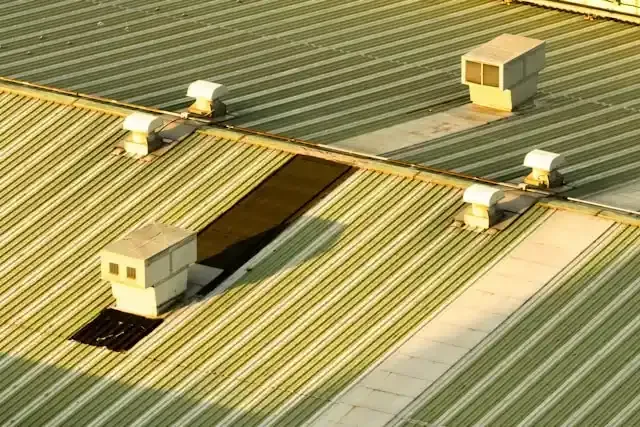
The hot climate of the region causes roofing systems to consume more energy. The use of reflective materials, combined with proper insulation and adequate ventilation systems, results in lower indoor cooling expenses.
Light-colored tiles, reflective coatings, and properly installed foam systems can significantly reduce heat absorption. Good ventilation keeps heat from accumulating in attic spaces, allowing HVAC systems to operate more efficiently. Energy efficiency must remain a top priority in all roofing renovation discussions in Arizona.
Long-Term Value of Proper Roofing Care
A well-maintained roof supports home value. Buyers in Arizona often ask about roof age and condition during property transactions. Documented inspections and repairs add credibility and confidence during resale.
Even for homeowners not planning to sell, consistent care avoids disruptive emergency repairs during peak summer heat or storm season.
Arizona’s climate will always test roofing systems. The difference between long-lasting protection and premature failure often comes down to maintenance habits and professional guidance.
Final Thoughts
Residential roofing in Arizona requires more than just installation work. The process necessitates knowledge of material performance under various climate conditions, as well as the ability to detect signs of damage and perform repairs and roofing renovations with qualified experts who specialise in Arizona roofing projects.
Homeowners who are proactive protect more than just their shingles and tiles. Their actions protect their investment while also providing comfort and allowing them to remain calm. When it comes to finding the Best Roofing Company in Arizona, the knowledgeable team you choose will determine the success of your roofing project.
Proper maintenance practices combined with educated decision-making processes will allow Arizona roofs to withstand the effects of sun exposure, storms, and seasonal changes for many years.