Whether you are a homeowner planning to upgrade the home roof or a business owner evaluating the maintenance needs, understanding the differences between commercial and residential roofing is important. Both of them serve the same purpose, which is to safeguard the structure below it. However, the way they are created, maintained, and designed might be different. Making the correct roofing choice based on the property type can save you time and money. It also ensures performance, longevity, and safety. Now, let’s take a look at the main difference, which every property owner needs to know.
Commercial and Residential Roofing: The Main Differences
Below are some of the differences between residential and commercial roofing, which you need to be well-aware of:
Roof Structure and Design
The most noticeable differences between commercial and residential roofing are the roof design.
Residential Roofs:
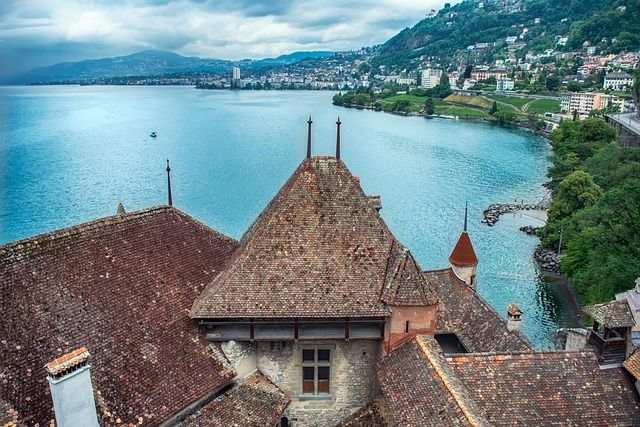
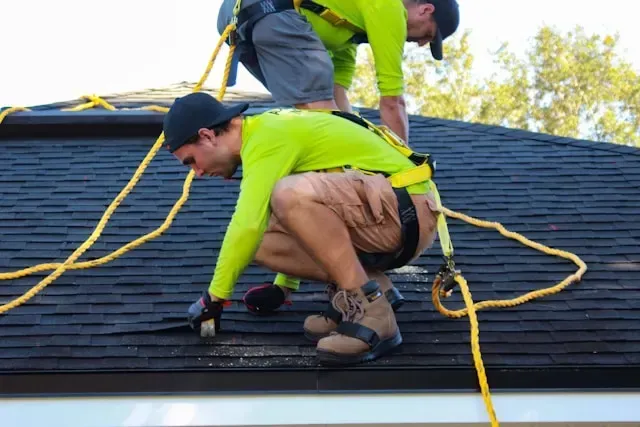
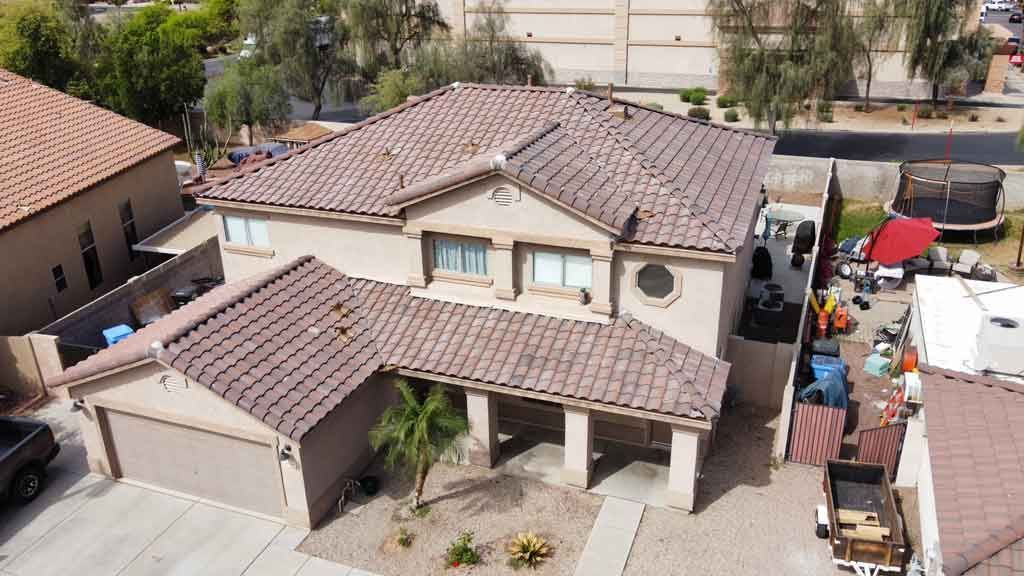
Residential roofs are usually sloped and might carry some architectural components, such as dormers, valleys, hips, or gables. These slops help the snow and rainwater to shed naturally from the roof. This design is not just functional, but also plays a part in the curb appeal, improving the look of a home.
Commercial Roofs:
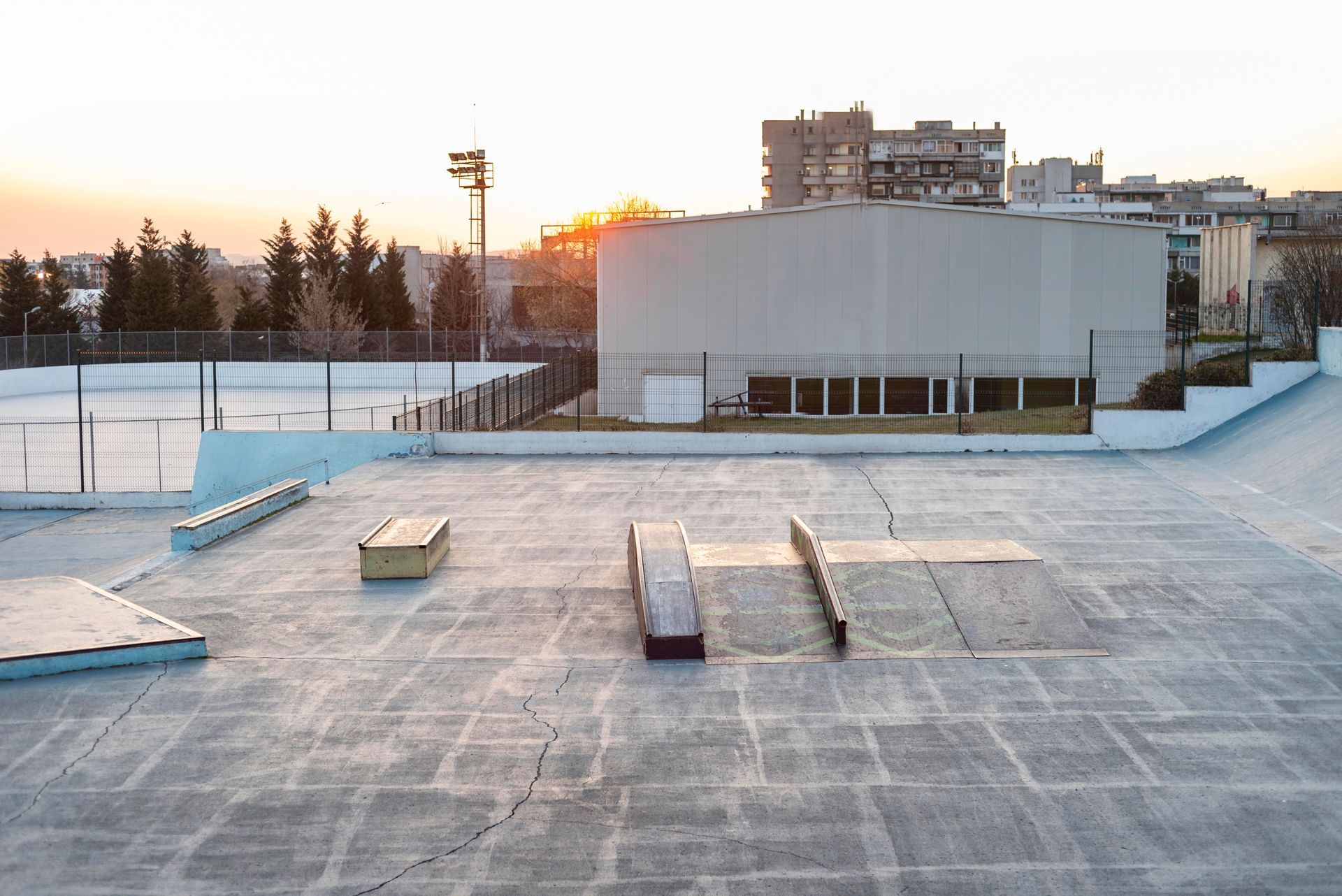
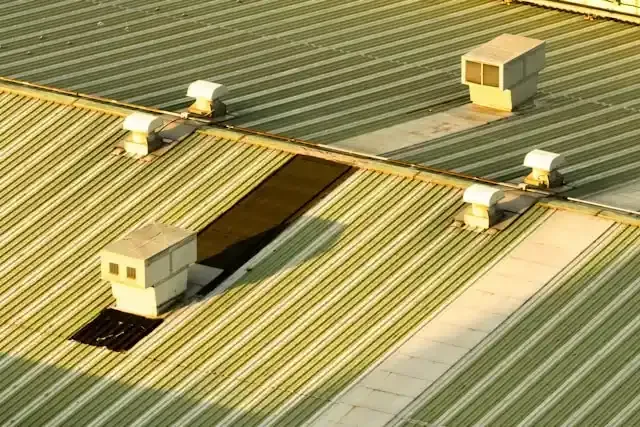
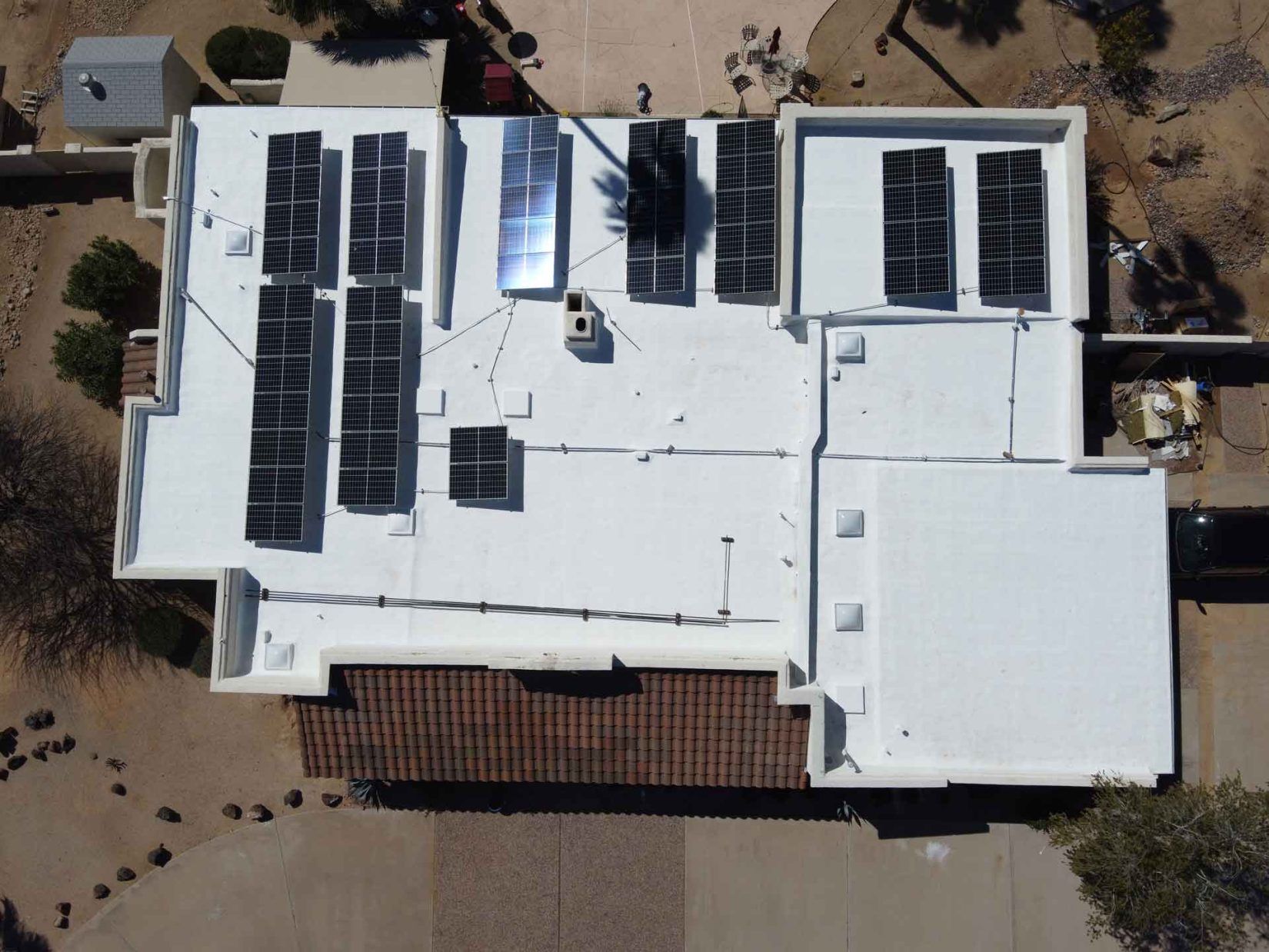
The commercial roofs are usually low-slope or flat. A reliable
commercial roofing contractor Phoenix has said that they find it easier to conduct maintenance services on such roofs. Apart from that, placing equipment like the HVAC system, solar panels and vents is also a lot easier. However, these roofs need specialized drainage systems that can prevent leaks and water accumulation.
Materials Used
Another difference between these two roofs lies in the material used.
Residential Roofs:
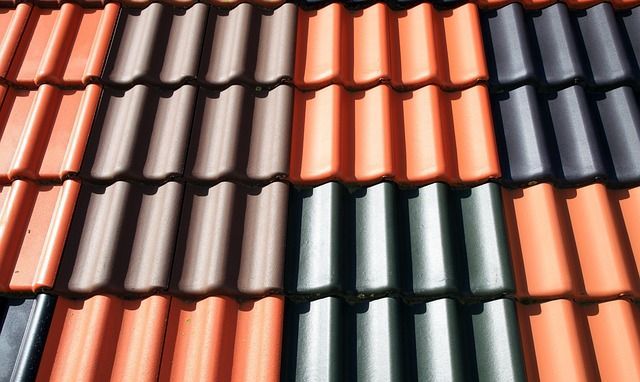
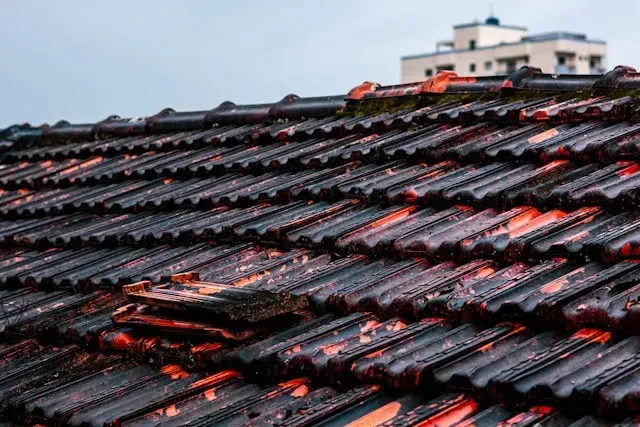
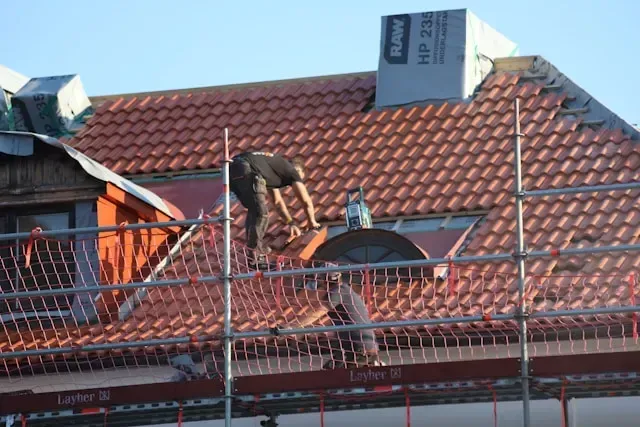
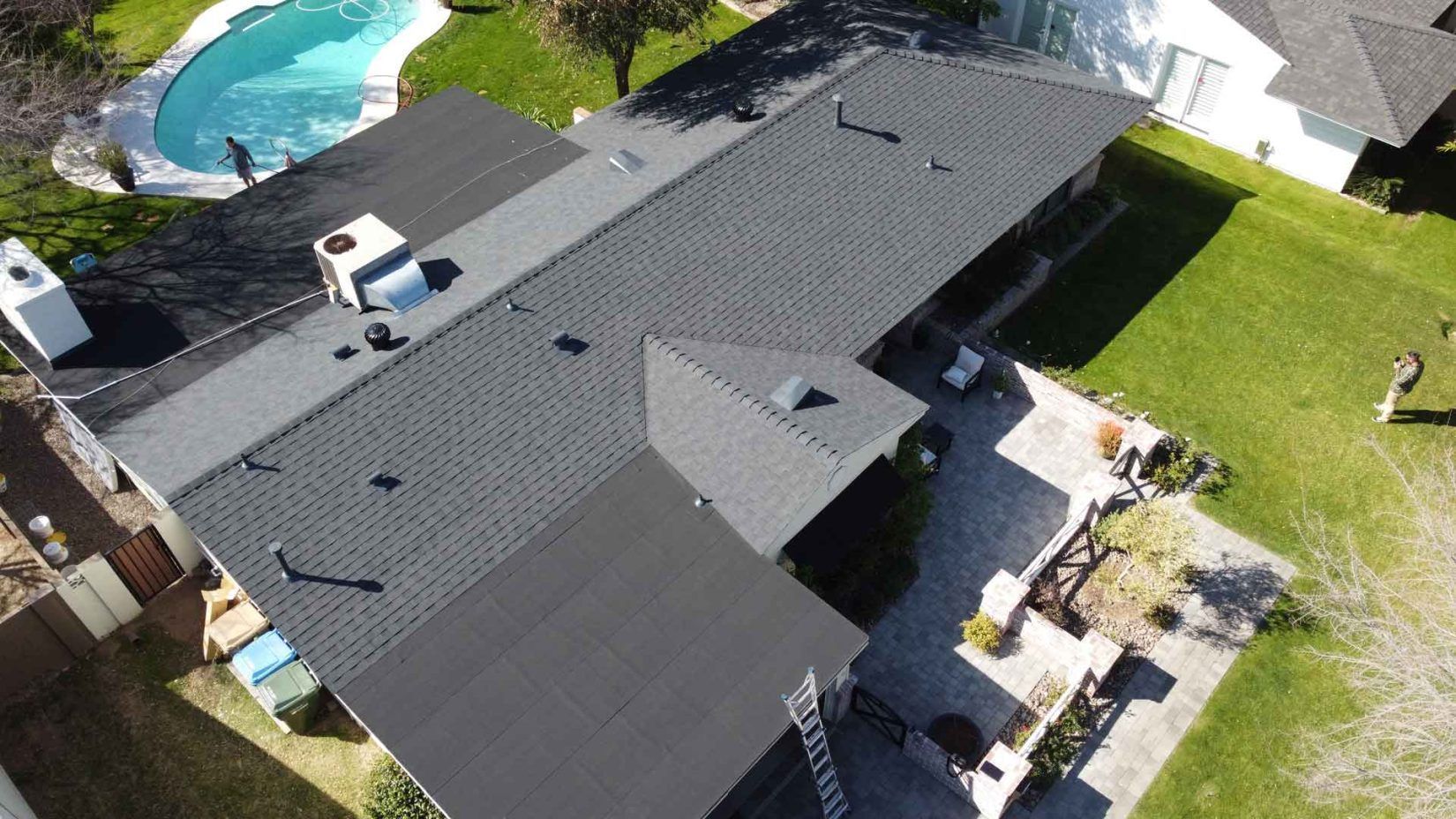
You may find materials, such asphalt shingles, concrete tiles, clay tiles, or metal panels in the residential roofs. Asphalt shingles are the most popular because they offer a good balance of aesthetic appeal, affordability, and durability. This is an essential factor for every homeowner.
Commercial Roofs:
For the commercial roofs, the
roofing contractors Phoenix, Arizona usually uses materials for long-term performance and function instead of curb appeal. Systems, such as EPDM (Ethylene Propylene Diene Monomer), rubber roofing, PVC membranes, and TPO (Thermoplastic Polyolefin) membranes are popular options. These materials can easily withstand bigger surface areas, rooftop equipment, foot traffic, and even harsh climates.
Installation Process
When it comes to installing commercial or residential roofs, the methods and goals are also slightly different.
Residential Roofs:
Residential roof projects are typically smaller in scale. They often require fewer materials, less labor, and can usually be completed in just a few days, depending on the roof size and the type of material used.
Commercial Roofs:
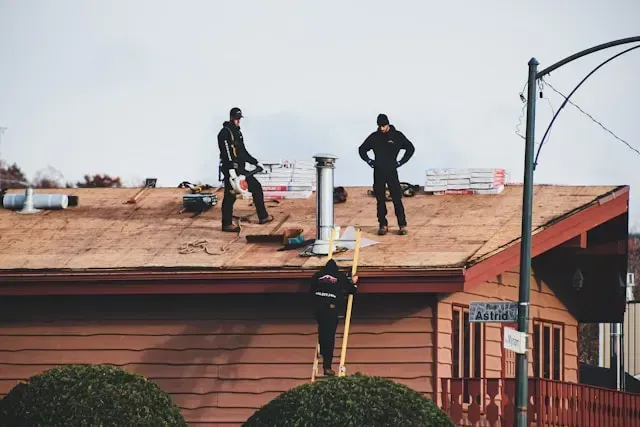
Commercial roofing installations are much more complex. This is because the commercial roofs are often flat, and they require careful attention to insulation, drainage, waterproofing, and seam sealing. Installation may involve heat-welding membranes or layering different materials to achieve durability. Projects can span weeks or even longer, depending on size and design.
Lifespan and Upkeep
Under the
residential vs commercial roofing, the maintenance needs differ greatly based on the roof type.
Residential Roofs:
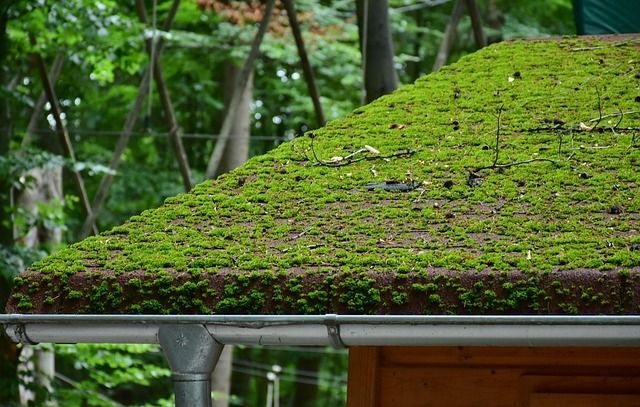
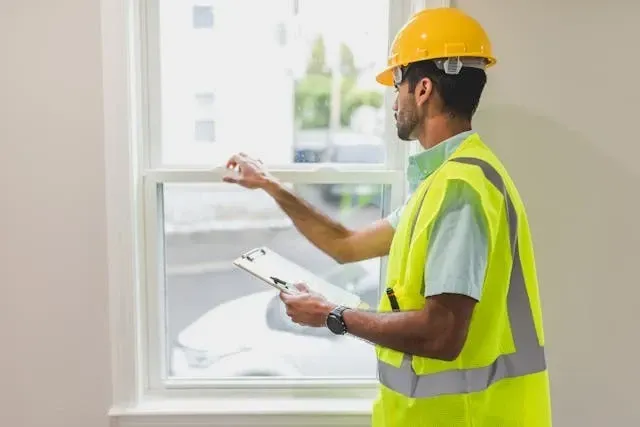
The residential roofs are normally easier to maintain and inspect. Homeowners can easily detect problems, such as minor leaks, damaged flashing, or missing shingles, from the attic or the ground. Yearly checkups and routine inspections after storms typically keep roofs in great shape.
Commercial Roofs:
The commercial roofs come with bigger surface areas along with flat designs. They need periodic inspections and specialized methods. Problems, suc as wear around the rooftop equipment, membrane punctures and ponding water can occur over time. This makes professional upkeep critical. With the right care, commercial roofs might last between 20 and 40 years, depending on the setting and material.
Cost Considerations
The budget is usually a deciding factor when picking roofing solutions, and the commercial and residential roofing differ here as well.
Residential Roofing:
Residential roofing materials and installation costs are typically lower due to smaller surface areas and simpler designs. However, premium materials like metal or tile can raise costs while offering longer lifespans and energy-efficiency benefits.
Commercial Roofing:
Commercial roofing projects usually require higher upfront investments. Materials designed for durability and specialized installation for flat roof systems contribute to a greater total cost. Even so, commercial roofs are often built with long-term performance in mind, so planning and budgeting wisely can pay dividends over years of use.
Conclusion
Understanding the differences between commercial and residential roofing can help property owners make the right choice when it comes to budgeting, supervision, and installation. Each roofing type has its own unique challenges and needs. When you know all these differences, you can easily safeguard your investment and ensure a lasting performance for your property’s most important protective layer. For proper expert roofing support for your business or home, contacting the experts from
ProWest Roofing Company is an ideal solution. With more than 20 years of experience, this
Phoenix commercial roofing contractor has helped the Arizona property owners with comprehensive roofing solutions. They do understand the local climate and provide top-tier workmanship and service from start to finish.