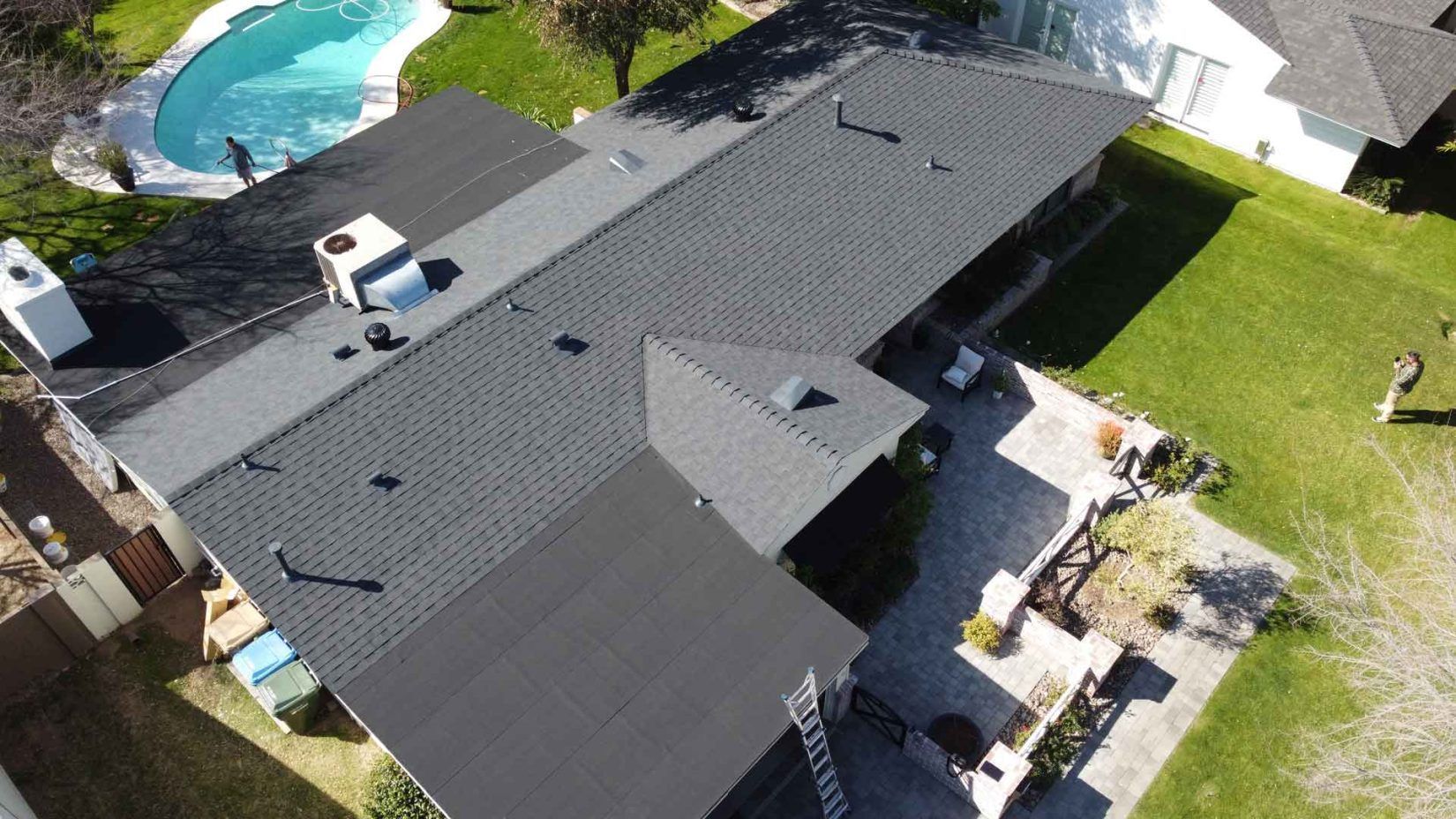
Protect Warehouse Operations Before Winter Rain
A roof drainage check can help protect your Tucson warehouse before seasonal rain exposes a problem that has been quietly building for months. Long dry stretches make it easy to miss slow drains, low spots, and worn seals. Once rain arrives, water can collect quickly on a low-slope roof and find its way into spaces that need to stay dry.
For a warehouse, a leak is rarely just a roof issue. It can affect stored inventory, equipment, tenant areas, employee safety, and shipping schedules during the busy holiday season. We recommend addressing drainage concerns before a storm turns a manageable repair into an urgent disruption.
Find Drainage Risks Hidden by the Dry Season
Tucson roofs face conditions that are different from those in wetter areas. Dust, windblown debris, bright sun, and long periods without rain can all hide trouble around drainage components. When we perform commercial roofing inspections in Tucson, we look beyond what seems obvious from the ground.
Materials often gather near drains and scuppers over time. A small blockage may not appear serious during dry weather, but it can slow water flow when rain falls across a large roof surface. Water that cannot leave the roof fast enough starts searching for the easiest path, which may be through a weak seam, flashing detail, or roof penetration.
Common trouble spots include:
- Roof drains and strainers blocked by dust, leaves, gravel, or packaging debris
- Scuppers, gutters, and downspouts clogged with windblown material
- Cracked sealant or loose flashing around drain bowls and roof edges
- Debris collecting around HVAC equipment and other rooftop units
Intense sun exposure can also wear down membranes, sealants, and flashing. A tiny crack around a drain bowl may not cause a visible issue right away. Add ponding water after a storm, however, and that same small opening can become a direct path for moisture into the building.
Stop Ponding Water Before It Damages the Roof System
Standing water is more than an inconvenience on the roof surface. When water remains in place longer than it should, it can speed up wear on the roof membrane, seams, and flashing. It also gives water more time to work into weak areas that may have gone unnoticed during a routine walk-through.
Low spots can develop for several reasons. Roof traffic, aging insulation, settling, and past repairs may change the way water moves across the roof. A professional commercial roofing assessment in Tucson can identify where water tends to collect and help determine whether repair work, maintenance, or drainage improvements are appropriate.
Repeated ponding can create several concerns:
- Membranes and seams may wear down faster under prolonged moisture
- Wet insulation can lose performance and may be difficult to fully dry
- Added water weight can place extra stress on aging roof assemblies
- Leaks can spread into offices, storage areas, loading zones, and electrical spaces
One rainfall event does not always mean there is a structural problem. Still, repeated water buildup deserves attention. The longer moisture sits on a roof, the more likely a small maintenance issue can grow into a larger repair.
Inspect Every Drainage Component Before Storms Arrive
A proper drainage assessment involves more than clearing leaves from a visible drain. Our commercial roofing team checks the full path water takes, from the roof surface to the point where it discharges away from the building. Each piece of that path needs to be clear, secure, and in working condition.
During an inspection, we review roof drains, strainers, drain bowls, scuppers, gutters, downspouts, overflow routes, and discharge locations. We also check the membrane around drains and scuppers, since these areas are common weak points in a roof system.
The roof surface matters just as much as the drains themselves. We look for ponding patterns, soft areas, open seams, damaged coatings, loose flashing, and debris buildup near rooftop equipment. Signs of past water intrusion can also help us understand where drainage may be falling short.
A clear inspection report gives your facility team a practical starting point. Rather than guessing which issue needs attention first, you can focus on the conditions most likely to affect operations when rain returns.
Create a Winter Rain Response Plan
Inspection findings are most useful when they lead to a simple plan. If drains are blocked, seals are deteriorated, or ponding is visible, arranging professional cleaning and minor repairs promptly can help limit risk during the rest of the season. Waiting until water is already entering the building often leaves fewer options and more operational pressure.
It also helps to assign one facility contact to watch for changes after rainfall. That person can report ceiling stains, dripping, slow exterior downspout flow, standing water near entrances, or moisture near inventory and equipment. Early reporting gives us a clearer picture of what is happening and can reduce the chance of damage spreading.
Keep organized records of inspections, photos, maintenance, and repairs. These documents can support roof warranty requirements, future budget planning, and insurance claim assistance if weather-related damage occurs later. They also make it easier to compare roof conditions from one season to the next.
Prepare Your Warehouse for Seasonal Rain
Rain readiness starts at the roof, but it supports the entire facility below. Clean drainage paths, sound flashing, and early attention to ponding areas can help keep daily work moving when wet weather arrives in Tucson.
Before the holiday schedule gets even busier, make roof drainage part of your facility maintenance priorities. A timely professional review can identify concerns around drains, scuppers, gutters, and low areas while repairs are still targeted and manageable.
Check For:
- Standing water that remains on the roof after rainfall
- Slow-draining roof drains, scuppers, gutters, or downspouts
- Debris collecting near drainage components or rooftop equipment
- Stains, drips, or moisture inside the building after a storm
- Loose flashing, cracked sealant, or damaged membrane around drains
Regular observation after rainfall helps facility teams recognize drainage changes early and document conditions before they affect inventory, equipment, or daily operations.
Protect Your Warehouse Before Winter Weather Arrives
Prowest Roofing can help identify drainage concerns and recommend practical solutions for your facility. Get professional support with
commercial roofing in Tucson to prepare your warehouse for the season ahead. Our team is ready to help you safeguard your roof, operations, and assets.