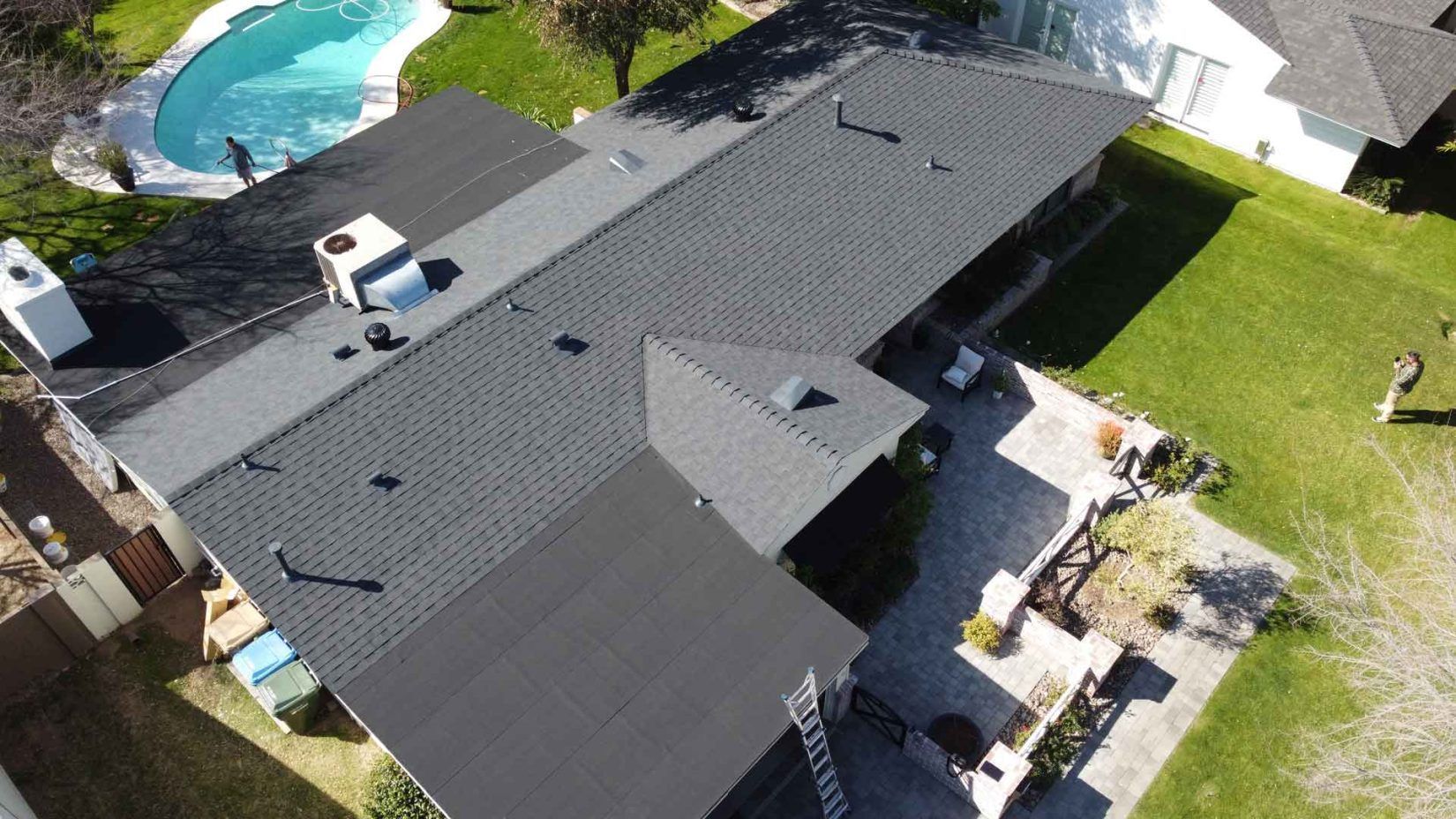
Protect Your Foam Roof Before Winter Rains Arrive
November is a smart time to look closely at foam roofing in Phoenix. The long stretch of intense sun is behind us, holiday plans are picking up, and seasonal rain can reveal small roof problems that stayed hidden during dry weather. A worn coating, shallow crack, or weak flashing detail can quickly turn into a leak once water starts collecting on the roof.
Both silicone and acrylic coatings can help extend the service life of a spray foam roof when the foam beneath is still in good shape. Each can protect against UV exposure, restore a bright roof surface, and help keep moisture away from the foam. The better fit depends on drainage, roof condition, sun exposure, roof use, and the maintenance you expect over time.
Arizona roofs deal with more than one kind of stress. Strong sun and extreme heat can wear away a coating’s protective surface, while monsoon moisture and occasional winter rain can test every low spot and roof detail. When we inspect a roof, we look for signs that the coating is thinning, cracking, pulling away, or no longer protecting the foam as it should.
A recoating project can be a practical restoration path when the underlying spray foam remains structurally sound. Before any coating goes on, our team checks the roof for damage that needs attention first. ProWest Roofing provides inspections, repairs, coating recommendations, and restoration planning for residential, commercial, and industrial properties in the Phoenix area.
Compare Silicone and Acrylic Coatings with Confidence
Silicone and acrylic are both liquid-applied roof coatings, but they respond differently to water and weather. Silicone is generally a moisture-curing material known for strong water resistance. Acrylic is water-based and is often chosen for its bright reflectivity and practical restoration value on the right roof.
Once properly applied, either coating creates a protective layer over spray foam. That matters because exposed foam can break down under UV rays and may allow moisture to enter if its surface is damaged. A sound coating system helps preserve the roof surface and supports the foam roof below it.
The choice is not simply a matter of picking the “best” product. We consider details such as:
- Roof slope and where water collects after rain
- The condition and type of the existing coating
- Foot traffic from rooftop equipment and maintenance
- Surface preparation needs and warranty requirements
A coating should match the roof, not the other way around. A well-drained roof with a healthy surface may be a good candidate for acrylic, while a roof that regularly holds water may call for silicone.
Silicone Handles Ponding Water and Harsh Sun
Silicone coatings are often a strong option for low-slope foam roofs with recurring ponding water. After rain, some roofs hold water longer than they should because of their design, aging drainage paths, or settled areas. Silicone generally keeps its water resistance better than acrylic when water remains on the roof surface.
Phoenix sun is another major factor. A silicone coating can stand up well to heavy UV exposure and weathering while helping maintain a light, reflective roof surface. That reflective finish can reduce how much heat the roof absorbs during long sunny days, which is especially helpful for buildings with broad, exposed roof areas.
Still, silicone is not a set-it-and-forget-it answer. It can collect dirt over time, and future recoating work requires compatible materials and careful planning. Performance also depends on what happens before the coating is applied. We make sure the roof is cleaned, damaged foam is repaired, weak details are addressed, and the coating is installed at the proper thickness.
Acrylic Coatings Can Deliver Value on the Right Roof
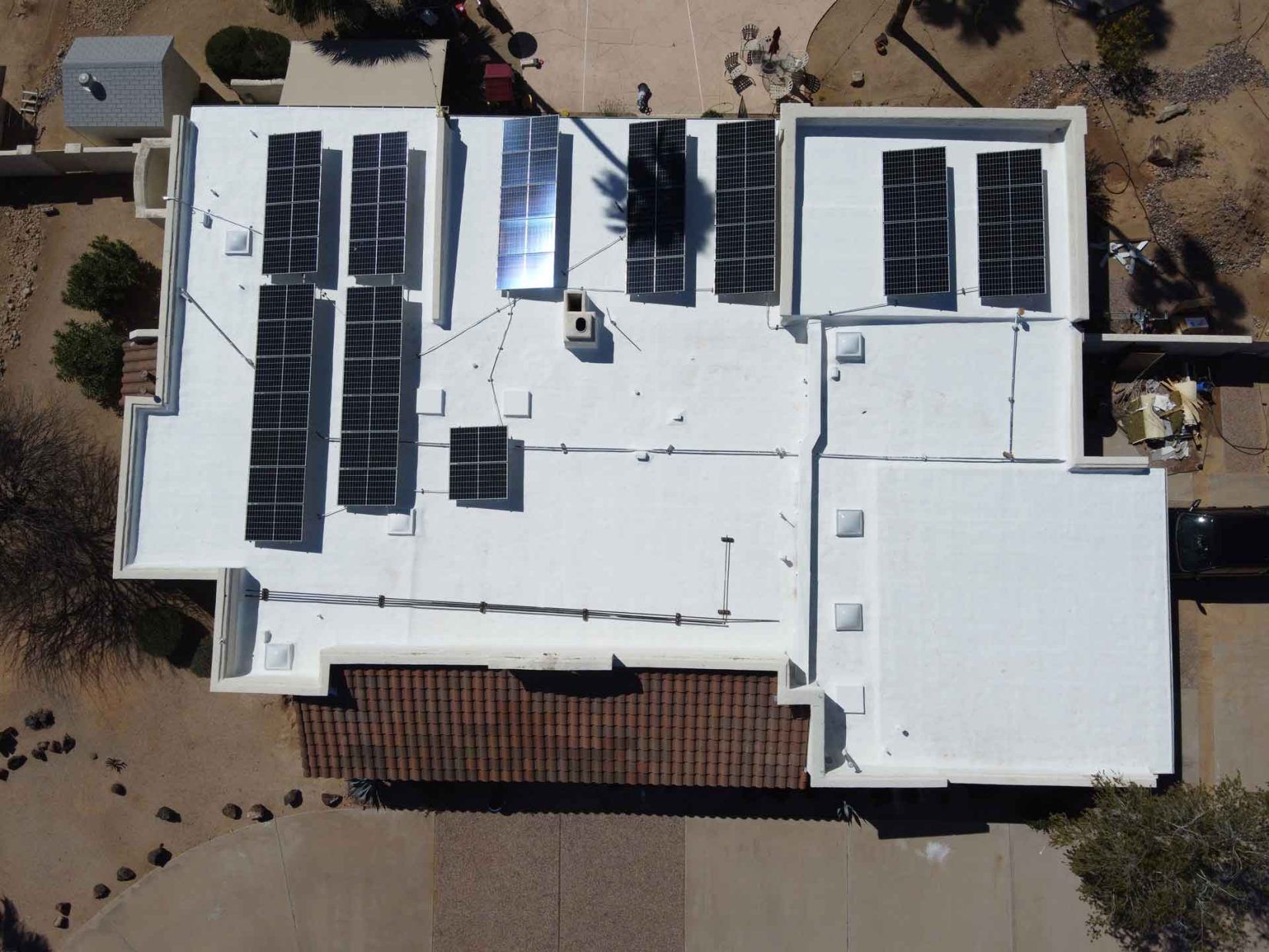
Acrylic coatings can be an effective restoration choice for foam roofs with positive drainage and no ongoing standing water. Their bright white finish offers strong reflectivity, which can be useful during Arizona’s long hot months. For a roof that sheds water well and has a sound foam base, acrylic can provide dependable surface protection.
Application conditions matter with acrylic. Because it is water-based, it needs dry weather and suitable temperatures to cure correctly. Late fall can still be a workable time for coating projects, but daily forecasts, overnight moisture, and the roof’s surface condition all need careful review before work begins.
It also helps to have realistic maintenance expectations. In harsh sun, acrylic may weather more quickly than silicone and may need attention sooner, especially on roofs with poor drainage or heavy exposure. We often look at the full maintenance picture rather than focusing only on the initial coating choice.
Acrylic may be a sensible fit when a roof has:
- Good drainage after rain
- Minimal ponding around drains and scuppers
- A clean, repairable foam surface
- A maintenance plan that includes future inspections
Match Foam Roofing in Phoenix to the Right Coating
The best coating recommendation begins with a close inspection. A roof can look acceptable from the ground while having worn areas around penetrations, drains, equipment supports, or parapet walls. Small surface issues matter because foam roofing relies on its protective coating to stay shielded from sun and moisture.
During an evaluation, we review the condition of the foam, exposed areas, cracks, blisters, drainage patterns, existing coatings, flashing details, and signs of past or current leaks. Those details help us determine whether the roof needs repairs before recoating, whether drainage concerns should be addressed, and which coating system fits the surface.
Building use also shapes the decision. A commercial building may have frequent service activity around rooftop equipment. An industrial property may need to plan around operations below. A residential foam roof may have different priorities involving appearance, energy goals, and long-term upkeep. In every case, roof traffic and access points deserve attention because repeated foot traffic can wear down even a well-applied coating.
Surface preparation is just as important as the product selected. Before coating a foam roof, we repair damaged areas, remove contaminants, reinforce vulnerable details, and prepare the surface for proper adhesion. Skipping those steps can shorten the life of either silicone or acrylic.
Book a Roof Evaluation Before Winter Weather Sets In
Rain has a way of finding weak spots that dry weather does not expose. A professional foam roof evaluation before the holiday season can identify worn coating, drainage concerns, and repair needs before they grow into active leaks. Our team can assess the current roof condition and explain which coating options make sense for the building.
For foam roofing in Phoenix, silicone may be the stronger match where ponding water is a recurring concern and long-term water resistance is the priority. Acrylic can offer excellent value for a well-drained roof with a solid surface and a clear maintenance plan. The practical next step is to base the decision on the roof’s actual condition, not a one-size-fits-all coating choice.
Get a Coating Recommendation Built for Your Roof
At Prowest Roofing, we evaluate drainage, surface condition, and performance goals before recommending a coating system. Get expert help with
foam roofing in Phoenix and receive guidance tailored to your property. Our team can help you move forward with a coating solution designed to protect your roof.