Quality asphalt shingles can handle many Phoenix winter wind gusts when the roof is properly rated, installed, and maintained. Still, gusty weather can expose weak spots that have been building through months of sun, dust, debris, and past storm wear. We often find that the problem is not simply the age of the shingles, but how well every part of the roof is working together.
For asphalt shingle roofing in Phoenix, a professional check before and after the winter storm season can uncover small concerns before they turn into lifted shingles, damaged underlayment, or leaks. This matters even more for homes on elevated lots, in open desert areas, or near new construction where wind may hit with fewer barriers.
Winter Gusts Can Reveal Existing Roof Weaknesses
Phoenix winters may be mild, but seasonal weather systems can still bring sudden gusts strong enough to test a roof. Wind does not always create damage from nothing. In many cases, it finds shingles that are already brittle from sun exposure, sealant that has begun to weaken, or flashing that was loosened during an earlier storm.
A roof can look fine from the street while hiding small issues at its edges and transition points. Dust buildup, wind-driven debris, and temperature changes throughout the year can all add stress before the gusts arrive. Once wind gets under a loose shingle tab, it may pull up more material as it moves across the roof.
Roof performance depends on far more than the date the shingles were installed. During an inspection, we look at details such as:
- The condition and placement of shingles and fasteners
- Roof slope, valleys, ridges, and roof-to-wall intersections
- Ventilation and signs of trapped moisture
- Prior storm damage, worn sealant, and exposed roof edges
A roof approaching the later part of its expected service life deserves extra attention, but newer roofs should not be ignored. Installation quality and ongoing maintenance play a major role at every stage.
Wind Tests More Than the Shingle Surface
Shingles are the visible layer of a roof, but winter gusts put pressure on the whole system. Wind can lift shingle edges, loosen nails, pull on ridge caps, and strain flashing around vents, skylights, chimneys, and wall connections. A few creased, missing, or lifted shingles can create a path for moisture during the next rain.
Certain areas naturally take more wind pressure than others. Corners, rakes, eaves, ridges, and areas around valleys are often more exposed than the center of the roof. Complex rooflines and older additions can also have more seams and transitions where materials may loosen over time.
Wind direction matters, too. A gust hitting one side of the home can push debris into a valley, while wind moving over a ridge can create uplift along the opposite slope. Branches, patio materials, and unsecured items can become hazards if they scrape shingles or strike flashing.
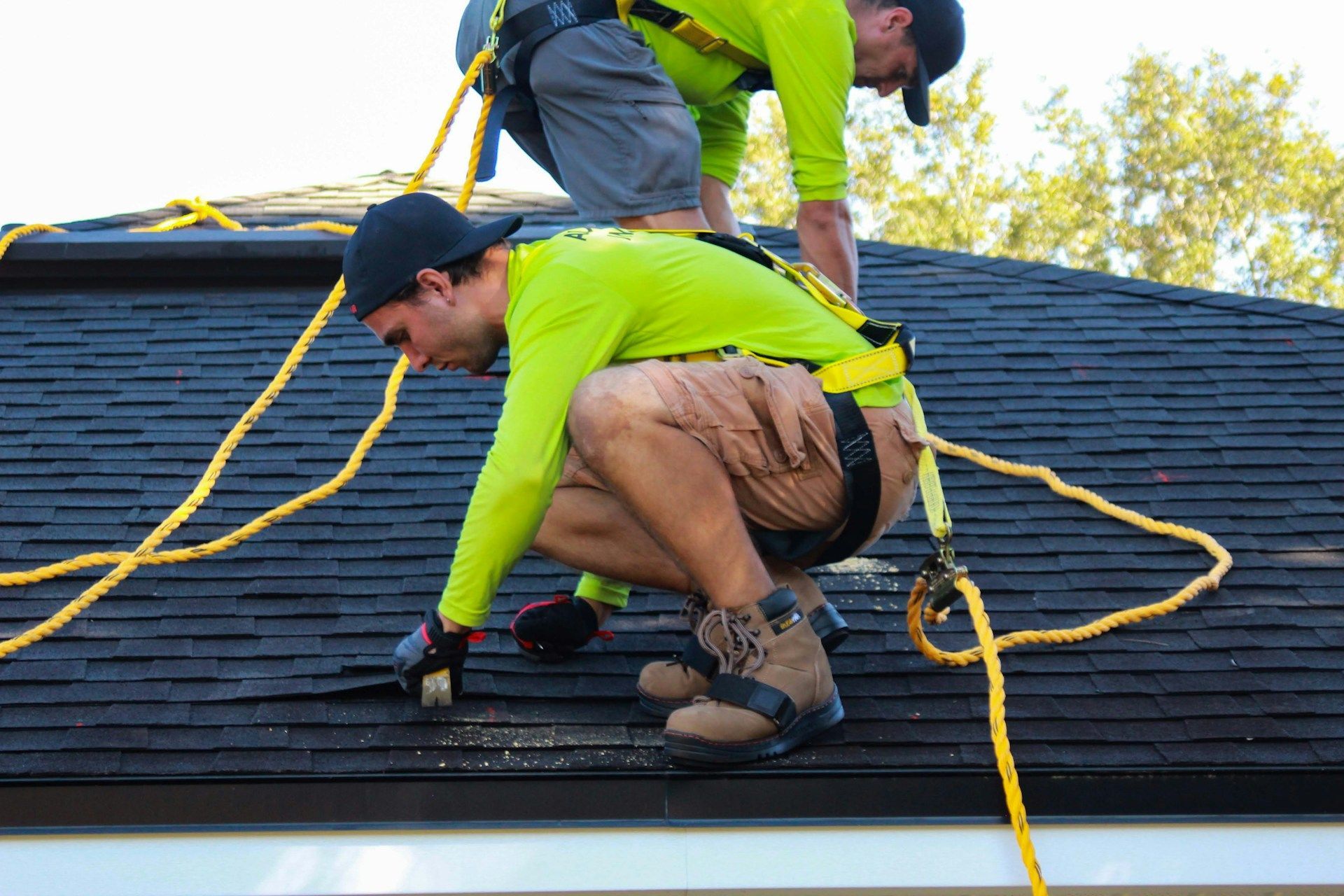
Before winter weather arrives, many roofs already carry signs of summer wear. Sun-brittled shingles, leftover monsoon debris, and dust in valleys can make a roof more likely to show problems when strong winds return. We recommend taking any post-storm visual check seriously, while leaving roof access to trained professionals.
Materials and Installation Work as One System
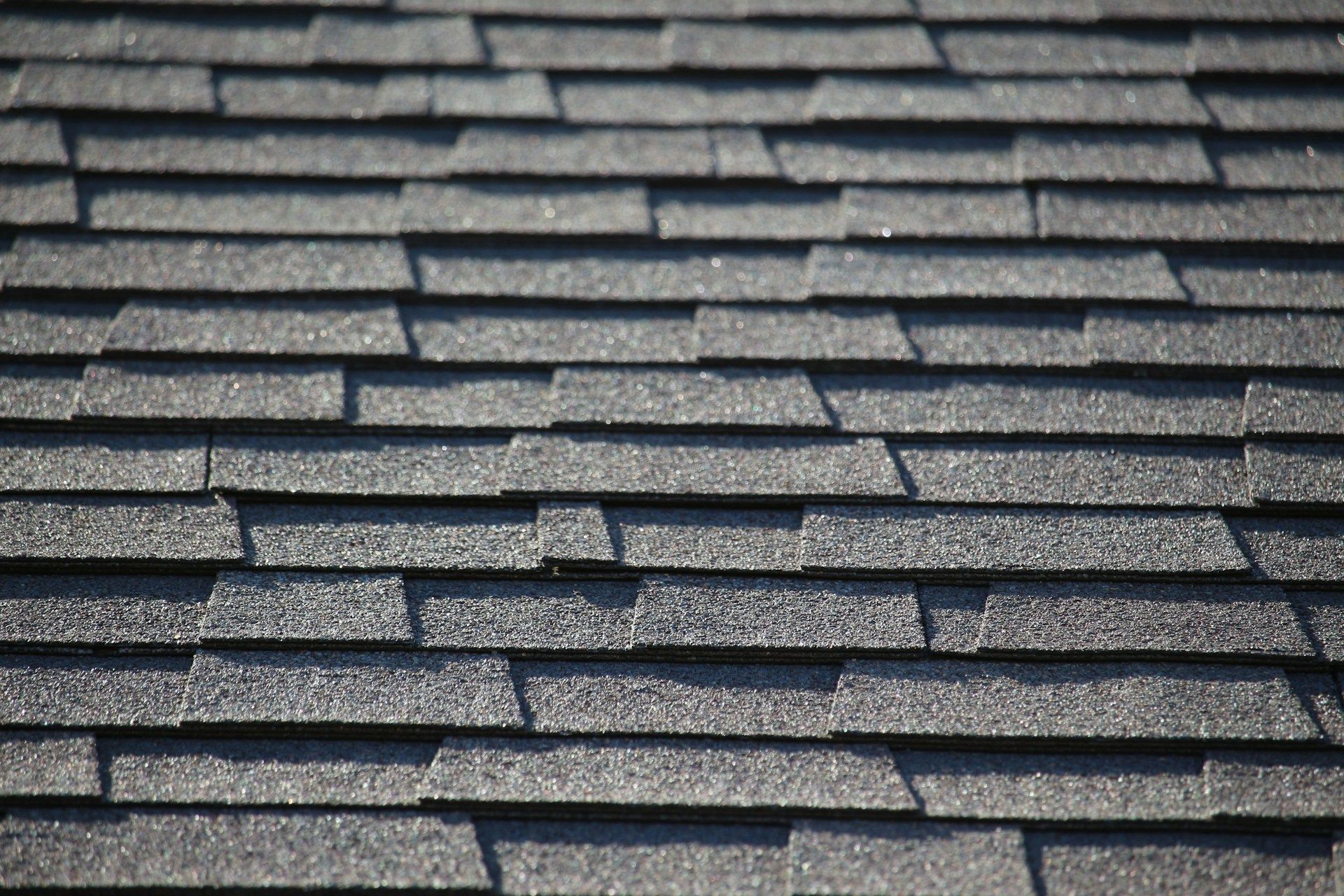
Not all asphalt shingles have the same wind resistance. Some products are designed for standard conditions, while others are made with stronger construction and high-wind performance in mind. However, a manufacturer’s wind rating is not a blanket guarantee. The roof must be installed as a complete approved system, with the right components and fastening methods.
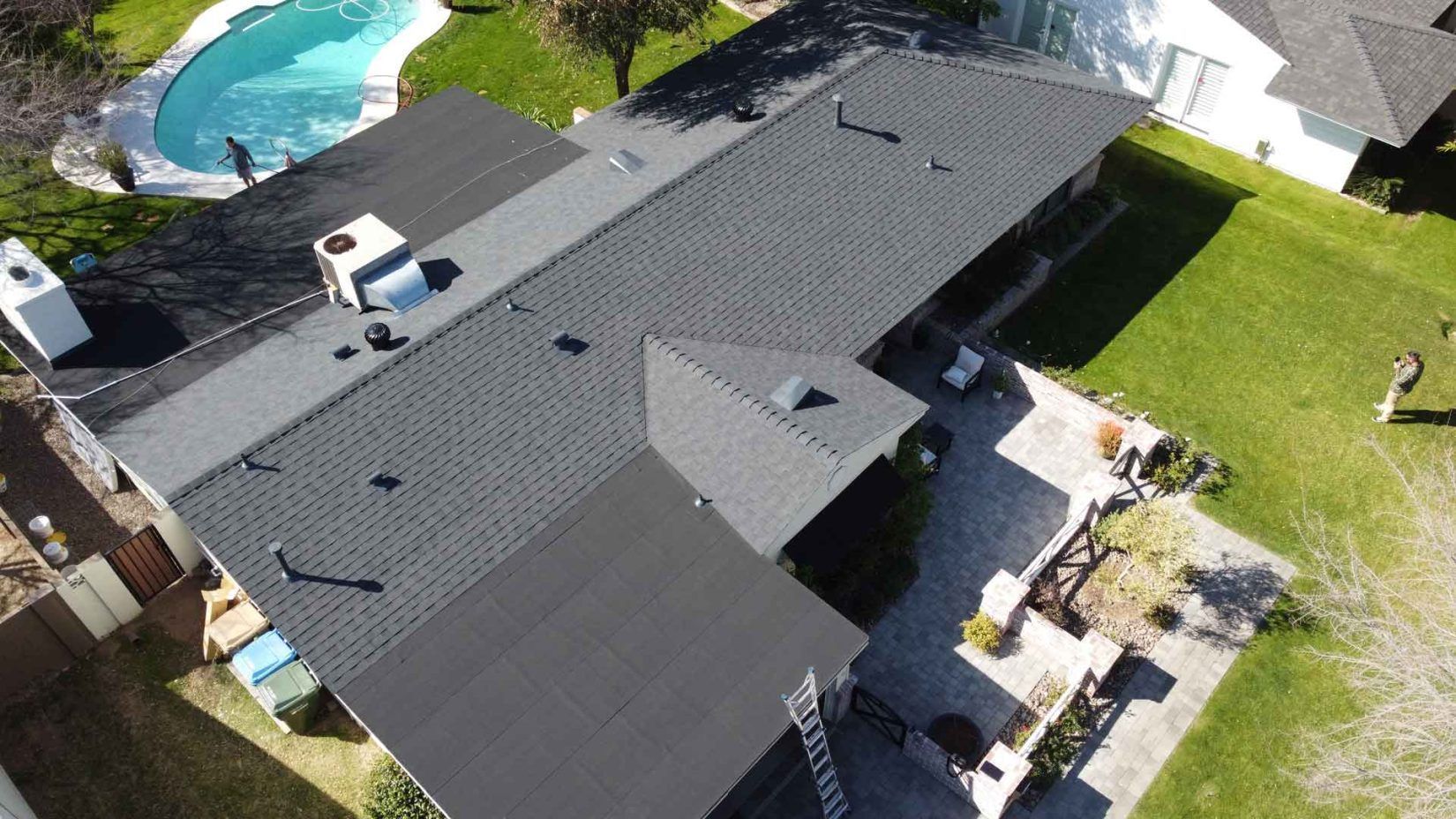
Architectural shingles may provide a thicker, more dimensional design than basic three-tab shingles. Yet the supporting details matter just as much. Starter strips, ridge caps, sealant strips, underlayment, flashing, and drip edge all work together to help shingles stay secure.
Proper nail placement is especially important. Nails driven too high, too low, crooked, or with the wrong pressure can reduce a shingle’s ability to resist uplift. A nail that misses the intended fastening area may not hold as designed when wind starts pulling at the shingle edge.
For asphalt shingle roofing in Phoenix, we assess the roof deck, ventilation, flashing, and edge protection along with the shingle selection. Following manufacturer instructions matters not only for roof performance, but also because warranty coverage may depend on meeting those installation standards.
Secure Roof Edges Help Limit Wind Damage
Wind damage often begins at the perimeter of the roof. Eaves, rakes, corners, and ridges receive more pressure than the middle sections, making them common starting points for lifted shingles. If the starter course, drip edge, fascia, or edge flashing is loose, wind may get underneath and begin peeling back materials.
Some warning signs are hard to spot from the ground. During maintenance visits, we check for raised tabs, damaged ridge caps, exposed fasteners, weakened sealant, loose flashing, and shingles that are no longer sealing correctly. Catching these conditions early can help limit what a future gust can do.
Property conditions around the roof also matter. We encourage you to keep an eye on nearby items that could become windblown debris, including:
- Overhanging branches close to the roof
- Loose patio covers or outdoor materials
- Debris collecting in roof valleys
- Clogged gutters and downspouts
- Unsecured items around the property
Maintenance cannot make a roof stormproof. It can, however, help the roof perform closer to its intended wind-resistance level and reduce avoidable damage.
Know the Warning Signs After a Wind Event
After a storm, start with a safe walk around the property. Look for roofing pieces on the ground, visible missing shingles, loose flashing, or branches that came into contact with the roof. From inside, watch for water stains on ceilings, damp attic areas, or unexplained moisture near exterior walls.
Other signs that deserve professional attention include curled shingle edges, granules collecting near downspouts, shifted ridge caps, and discoloration around skylights or vents. A leak may begin beneath the shingles long before water becomes visible inside the building.
Avoid climbing onto the roof during or right after a storm. Loose shingles and debris can make roof access dangerous, and walking on damaged materials may cause more harm. Instead, take dated photos from the ground, save fallen roofing materials when possible, and arrange for a trained inspection. Clear documentation can also be helpful if storm damage leads to an insurance claim discussion.
Plan Ahead for the Winter Wind Season
Asphalt shingles can withstand many Phoenix wind events when the roof is sound, securely installed, and regularly inspected. The best time to find a weak edge, loose ridge cap, or aging flashing is before a gust turns that small issue into an opening for water.
As the holiday season approaches, a professional roof check can provide a clear picture of the roof’s condition. Prompt attention after wind damage can protect the underlayment, roof deck, and interior spaces from a larger restoration need later on.
Protect Your Roof Before Winter Weather Arrives
Prowest Roofing can assess your shingles, flashing, and vulnerable roof areas before minor concerns become larger repairs. Contact us for
asphalt shingle roofing in Phoenix and receive clear recommendations tailored to your roof’s condition. Our team is ready to help you make informed decisions about protecting your home.