Storm season in Arizona can turn calm skies into chaos in a matter of minutes. High winds, sudden hail, and heavy monsoon rains are tough on roofing systems. When serious damage happens, many homeowners immediately wonder whether insurance will cover the cost of a
Residential Roof Replacement.
The process can feel confusing at first. There are paperwork, inspections, and conversations with adjusters. But when you understand how claims typically work, the situation becomes much more manageable.
Step 1: Identify and Document the Damage
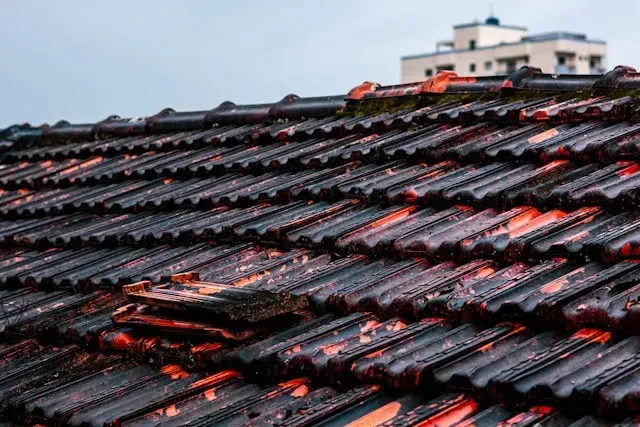
The first step begins immediately after the storm has passed. You must walk through your entire property to detect any visible damage. Missing shingles, metal flashing dents, roof debris, and interior water stains all indicate problems with your home. Take clear photographs of any unusual objects.
The smallest details of the situation are crucial. You should document any gutter granule accumulation and lifted shingle conditions that you notice. Avoid roof access until further notice. Hire a roofing expert to conduct a thorough damage assessment. A trained team can identify problems that homeowners often overlook.
Step 2: Professional Inspection and Estimate
Before filing a claim, many homeowners request a detailed inspection. This helps confirm whether the damage qualifies for coverage.
An experienced contractor can assess whether repairs are sufficient or if a full
Residential Roof Replacement is necessary. In Arizona, monsoon winds can compromise the structure beneath the shingles, not just the surface layer.
A written estimate outlining the scope of work becomes a key part of your claim documentation.
In many cases, contractors also provide Insurance Claim assistance, helping homeowners understand what to submit and how to present the damage clearly.
Step 3: Contact Your Insurance Provider
After obtaining documentation, the next step is to notify your insurance provider. Many insurance policies require customers to report any property damage that occurs following an incident. To submit a claim, you must provide the following information:
- Date of the storm or damage event
- Description of the damage
- Photos and inspection notes
- Contractor estimate
The insurance company will send an adjuster to assess the damages on your property.
Step 4: Adjuster Inspection
The insurance adjuster comes to your home to assess the damage and determine whether it is covered by your policy. They may check shingles, flashing, gutters, and interior ceilings for water damage.
It is often beneficial to have your roofing contractor present during this inspection. Contractors who are experienced with insurance claims can ensure that all damage is properly identified and documented during the adjuster's visit.
Damage is not always obvious. Wind may loosen shingles but not completely remove them. If these details are overlooked, they may not be included in the coverage estimate.
Step 5: Claim Approval and Settlement
Your insurance company will pay your claim according to your policy after it receives approval. Most Arizona residential insurance policies use either Replacement Cost Value (RCV) or Actual Cash Value (ACV) as their valuation method. Replacement Cost Value covers all roof replacement expenses until you reach your deductible limit.
Actual Cash Value determines payout amounts through depreciation, which decreases the total value of the asset.
Knowing your coverage details before an incident occurs creates significant advantages. Homeowners face unexpected challenges with depreciation calculations because they underestimate their roof's actual age.
Step 6: Begin Roofing Renovations in Arizona
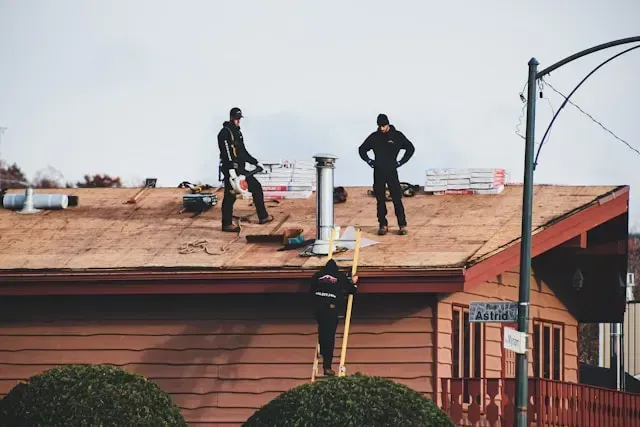
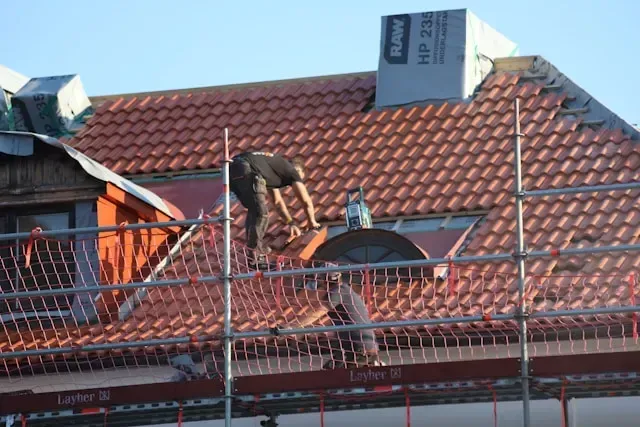
Work begins following the distribution of funds. The contractor now schedules material delivery, permit acquisition, and installation work for this stage of the project.
Because of Arizona's unique climate, timing is essential. Arizona roofing renovations necessitate precise scheduling because contractors strive to avoid working during the peak monsoon season.
The replacement process begins with the removal of all existing materials, followed by a deck inspection, the installation of underpayments, and the application of new roofing systems that comply with local building regulations.
A complete Residential Roof Replacement creates an energy-efficient roof system, which provides better protection and improved ventilation.
Common Questions Homeowners Have
The common concern arises whether claim submission leads to higher premium costs. Insurance policies have different rules that determine how weather-related claims and neglect-based claims will impact premium rates.
Another question involves deductibles. You must pay the deductible amount before the insurance begins to cover the remaining expenses.
Insurance provides coverage for damage caused by storms but does not protect against damage that occurs because of normal aging.
Why Professional Support Matters
Insurance paperwork can feel overwhelming. Missteps in documentation or incomplete reports may delay approval.
Contractors experienced in
Insurance Claim assistance understand the process and communicate directly with adjusters when needed. They help ensure the scope of damage reflects what truly needs to be repaired or replaced.
Without that support, homeowners sometimes accept partial repairs when a full replacement would be safer long-term.
Final Thoughts
The weather in Arizona follows unpredictable patterns. When severe storms strike your location, your roof sustains the most damage.
Understanding how to file an insurance claim allows you to face difficult situations with confidence. The process starts with an inspection and continues through adjuster assessments until we, at Prowest, finish the final installation that secures your home.
A properly managed claim allows you to proceed with necessary roofing work in Arizona while sharing the financial costs with others. You must act immediately to protect your home from storm damage.
Document all the damage that has occurred and then schedule a professional inspection while maintaining open communication with your insurance company. When the process is completed correctly, you will have a complete Residential Roof Replacement that will protect your home for the long term.